Leni Riefenstahl
1902 - 2003Triumph of the Will gave Riefenstahl instant and lasting international fame, as well as infamy. Although she directed only eight films, just two of which received significant coverage outside of Germany, Riefenstahl was widely known all her life. The propaganda value of her films made during the 1930s repels most modern commentators but many film histories cite the aesthetics as outstanding. The Economist wrote that Triumph of the Will "sealed her reputation as the greatest female filmmaker of the 20th century".
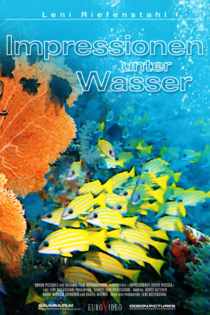
In the 1970s Riefenstahl published her still photography of the Nuba tribes in Sudan in several books such as The Last of the Nuba. She was active up until her death and also published marine life stills and released the marine-based film Impressionen unter Wasser in 2002.
After her death, the Associated Press described Riefenstahl as an "acclaimed pioneer of film and photographic techniques". Der Tagesspiegel newspaper in Berlin noted, "Leni Riefenstahl conquered new ground in the cinema". The BBC said her documentaries "were hailed as groundbreaking film-making, pioneering techniques involving cranes, tracking rails, and many cameras working at the same time".
Description above from the Wikipedia article Leni Riefenstahl, licensed under CC-BY-SA, full list of contributors on Wikipedia.
Memories of Berlin: The Twilight of Weimar Culture
Gary Conklin
Claudio Arrau, Elisabeth Bergner
The film tells the cultural story of Berlin during the Weimar Republic through interviews with a number of persons who were involved in literature, film, art, and music during the period. It includes interviews with Christopher Isherwood, Louise Brooks, Lotte Eisner, Elisabeth Bergner, Francis Lederer, Carl Zuckmayer, Gregor Piatigorsky, Claudio Arrau, Rudolf Kolisch, Mischa Spoliansky, Herbert Bayer, Mrs. Walter Gropius, and Arthur Koestler.
Memories of Berlin: The Twilight of Weimar Culture

Die Macht der Bilder: Leni Riefenstahl
Ray Müller
Leni Riefenstahl, Walter Frentz
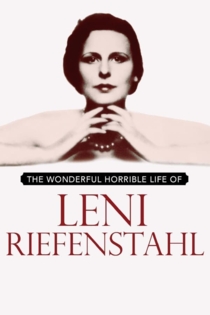
This documentary recounts the life and work of one of most famous, and yet reviled, German film directors in history, Leni Riefenstahl. The film recounts the rise of her career from a dancer, to a movie actor to the most important film director in Nazi Germany who directed such famous propaganda films as Triumph of the Will and Olympiad. The film also explores her later activities after Nazi Germany's defeat in 1945 and her disgrace for being so associated with it which includes her amazingly active life over the age of 90.
The Wonderful, Horrible Life of Leni Riefenstahl
Olympia - Fest der Völker
Leni Riefenstahl
David Albritton, Jack Beresford
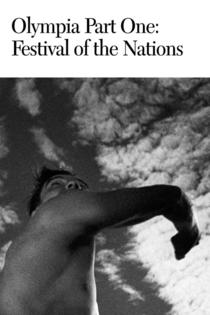
The First part of Olympia, a documentary about the 1936 Olympic games in Berlin by German Director Leni Riefenstahl. The film played in theaters in 1938 and again in 1952 after the fall of the Nazi Regime.
Olympia Part One: Festival of the Nations
Olympia - Fest der Schönheit
Leni Riefenstahl
Jack Beresford, Ralf Berzsenyi
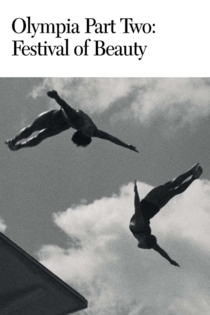
The Second part of Olympia, a documentary about the 1936 Olympic games in Berlin by German Director Leni Riefenstahl. The film played in theaters in 1938 and again in 1952 after the fall of the Nazi Regime.
Olympia Part Two: Festival of Beauty
Speer und er
Heinrich Breloer
Sebastian Koch, Tobias Moretti
A reassessment of the role Albert Speer played in the Third Reich. Speer, who was ultimately convicted at the Nuremburg trials and served a 20-year prison sentence, was known for designing many of the Third Reich's buildings and for being Hitler's minister for war production.
Speer und er

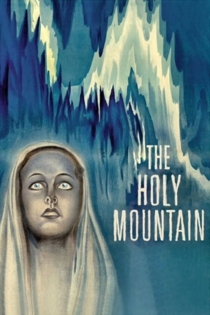
Die weiße Hölle vom Piz Palü
G.W. Pabst, Arnold Fanck
Gustav Diessl, Leni Riefenstahl
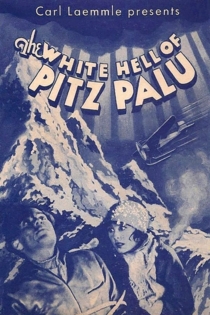
Dr. Johannes Krafft climbs a 12,000-foot mountain over and over again to search for his wife, who was lost on their honeymoon. Another couple makes the dangerous climb with him.
White Hell of Pitz Palu

Hitler's Hollywood
Rüdiger Suchsland
Rüdiger Suchsland, Udo Kier
Film journalist and critic Rüdiger Suchsland examines German cinema from 1933, when the Nazis came into power, until 1945, when the Third Reich collapsed. (A sequel to From Caligari to Hitler, 2015.)
Hitler's Hollywood

Das blaue Licht
Leni Riefenstahl, Béla Balázs
Leni Riefenstahl, Mathias Wieman
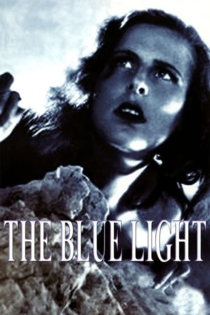
A young woman, Junta, lives apart from her village and, for her solitude and strangeness, is considered to be a witch; when she comes to the village for one reason or another, the townsfolk chase her away. They feel that she may in some way be responsible for the deaths of several young men of the village, who have felt compelled, one by one, to climb the local mountain - and fall to their deaths - on nights when the moon is full.
The Blue Light
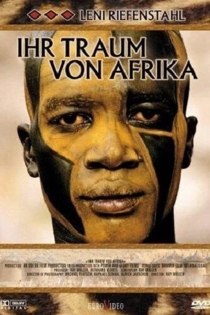
Leni Riefenstahl: Ein Traum von Afrika
Ray Müller
Leni Riefenstahl
At the age of 97 Riefenstahl returns to Sudan for one final farewell to the Nuba that she lived with for 8 months and photographed and filmed extensively. Müller documents her return after 23 years away and her reaction to the collapsing culture that she once celebrated so avidly in her photographs.
Leni Riefenstahl: Her Dream of Africa