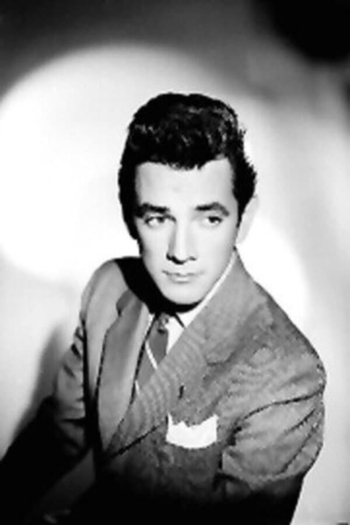
Alejandro Parodi
1928 - 2011Parodi made professional studies in photography, cinematography and theater. He studied drama with the teacher Seki Sano, in addition to having been a disciple of Alex Phillips. He taught at the Universidad Iberoamericana; with studies in Madrid, Spain.
He participated in works of Spanish and German cinema. He alternated with actors such as Geraldine Chaplin, Gian Maria Volonté, Dean Stockwell, Marhe Keller, Kris Kristofferson, among others. He worked with directors such as: Miguel Littín, Arturo Ripstein, Felipe Cazals, Alfredo Gurrola and Alejandro Pelayo.
Die Frau des Reporters
Heide Pils
Malena Doria, Miguel Ehrenberg
In the spring of 1980, Esther Jochmann, a young Austrian woman, flies to San Salvador. Her husband, a journalist, has been killed. She has to identify his corpse so that the authorities will allow it to be transferred to Europe. She learns that Archbishop Oscar Romero, who was also a victim of an assassination, had granted a taped interview to her husband. Padre Manuel hands the tape over to her. Esther accompanies the Padre and John, an American reporter, who are trying to find the murderers.
Die Frau des Reporters

Principio y fin
Arturo Ripstein
Ernesto Laguardia, Julieta Egurrola
The film tells the story of the Boteros, a middle-class Mexican family struggling against poverty after their father's death. Ignacia (Egurrola) is the Boteros mother, a desperate woman who chooses to sacrifice the destiny of her three older children, in order to protect Gabriel (Laguardia) the youngest one. She believes Gabriel will climb the social structure and bring back the lost fortune to the family. But destiny has other plans for the Boteros and tragedy will overcome eventually. Based on the novel of Nobel Prize winner Naguib Mahfouz.
The Beginning and the End
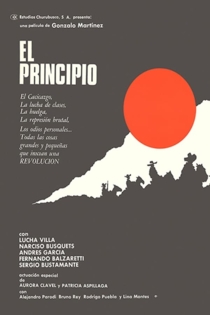
El principio
Gonzalo Martínez Ortega
Lucha Villa, Narciso Busquets
Mexico is in the midst of Revolution when the protagonist returns after studying in Paris to find his native town in Chihuahua occupied by Francisco Villa’s revolutionary forces. He visits his deserted home and remembers people and events from his adolescence that provide glimpses of pre-Revolutionary society under dictatorship: his uncle, the chief of police; his sister’s involvement with a liberal political association; bathing with the girls from a local brothel; a labor strike that ended in a massacre. Returning to the present he discovers that his father has been assassinated and, in the company of his father’s former servant, joins the revolutionary movement.
El principio


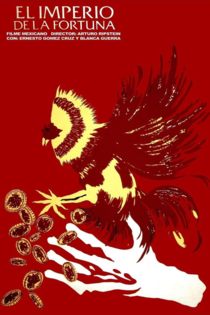
El imperio de la fortuna
Arturo Ripstein
Ernesto Gómez Cruz, Blanca Guerra
Poor Dionisio finds himself as recipient of the good fortune, but soon he forgets that everything that goes up also has to go down, and that in the depressing nothingness of his town it is easy to die.
The Realm of Fortune
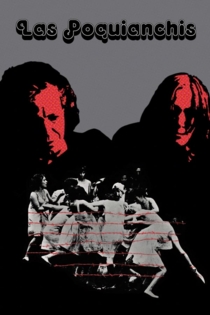
Las Poquianchis
Felipe Cazals
Diana Bracho, Malena Doria
In the middle 70's in the mexican state of Guanajuato, authorities discover a clandestine burial ground, the corpses were from murdered prostitutes. The suspects are three sisters known as "Las Poquianchis".
Las Poquianchis
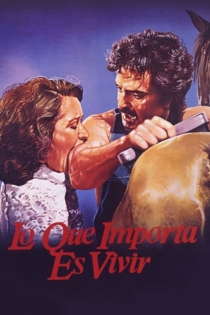
Lo que importa es vivir
Luis Alcoriza
María Rojo, Gonzalo Vega
A drifter named Candelario asks to spend the night at the hacienda of Don Lazaro. Once there, he gets the offer to stay and work as a laborer with a fixed salary. Over time, Candelario is gaining the confidence of his employer, and becomes indispensable. The situation will change radically when Don Lazarus discovers that Candelario is having a love affair with his wife.
Living Is What Matters
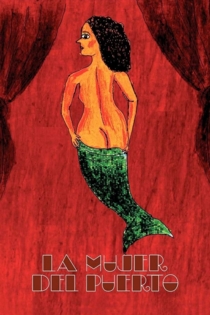
La mujer del puerto
Arturo Ripstein
Damián Alcázar, Alejandro Parodi
Perla, a prostitute and the star in a miserable cabaret in the docks, falls in love with a sailor without knowing that he is her brother. Tomasa, Perla's mother, tries to prevent this incestuous relationship at all costs, but fails to do so. Set in a sordid environment, the director makes no concessions in this tragic love affair, which is narrated from three different points of view.
La mujer del puerto