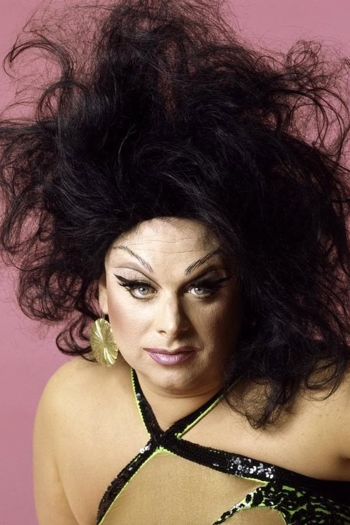
Divine
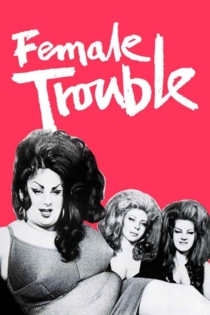
1945 - 1988Born in Baltimore, Maryland, into a conservative, wealthy middle class family, he became involved with John Waters and his acting troupe, the Dreamlanders, in the mid-1960s and starred in a number of Waters's early films such as Mondo Trasho, Multiple Maniacs, Pink Flamingos and Female Trouble. These films have since become cult classics. In the 1970s, Milstead made the transition to theater and appeared in a number of productions, including Women Behind Bars and The Neon Woman, while continuing to star in such films as Polyester, Lust in the Dust and Hairspray.
The New York Times said of Milstead's '80s films: "Those who could get past the unremitting weirdness of Divine's performance discovered that the actor/actress had genuine talent, including a natural sense of comic timing and an uncanny gift for slapstick." He was also described as "one of the few truly radical and essential artists of the century… was an audacious symbol of man's quest for liberty and freedom." Since his death, Divine has remained a cult figure, particularly with those in the LGBT community.
Never Sleep Again: The Elm Street Legacy
Andrew Kasch, Daniel Farrands
Heather Langenkamp, Robert Englund
For decades, Freddy Krueger has slashed his way through the dreams of countless youngsters, scaring up over half a billion dollars at the box office across eight terrifying, spectacular films.
Never Sleep Again: The Elm Street Legacy
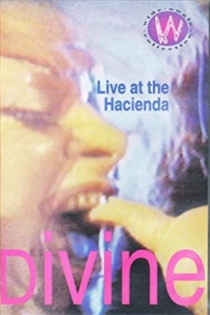
Divine: Live at the Hacienda
Malcolm Whitehead
Divine
On 16 February 1983, Divine performs a seven-song set at the Hacienda Club in Manchester. His peroxide blond hair sticks in all directions; he's dressed in a skin-tight, short, off-one-shoulder, sparkling dress that he says he got from the Queen, who wouldn't wear it. The set includes Gang Bang (the name-game song), Jungle Jezebel, Born To Be Cheap, Alphabet Rap, Native Love, Shake It Up, and, for an encore, Shoot Your Shot. The band, whom we never see, is techno-rock. Between songs, Divine chats up the audience, usually talking about sex.
Divine: Live at the Hacienda
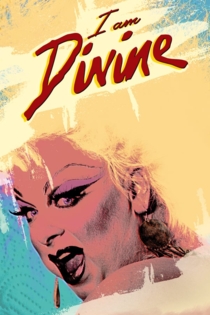
I Am Divine
Jeffrey Schwarz
Divine, John Waters
Harris Glenn Milstead, aka Divine (1945-1988) was the ultimate outsider turned underground hero. Spitting in the face of the status quos of body image, gender identity, sexuality, and preconceived notions of beauty, Divine succeeded in becoming an internationally recognized icon, recording artist, and character actor of stage and screen. Glenn went from the often-mocked, schoolyard fat kid to underdog royalty, standing up for millions of gay men and women, drag queens and punk rockers, and countless other socially ostracized misfits and freaks. With a completely committed in-your-face style, he blurred the line between performer and personality, and revolutionized pop culture.
I Am Divine
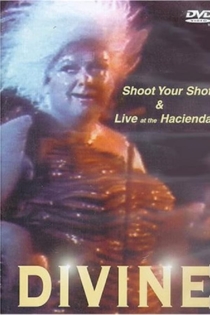
Divine: Shoot Your Shot
Divine
This show was filmed in Manchester, England in 1983, just as Divine's recording career was taking off, and shows him at his tasteless and tacky best. From his appearance in 1966 in his first John Waters film until his death in 1988, Divine always courted controversy. Love him or hate him you can't help but find him talented and very funny.
Divine: Shoot Your Shot
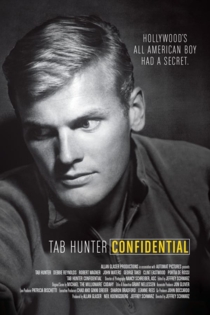
Tab Hunter Confidential
Jeffrey Schwarz
Tab Hunter, Debbie Reynolds
In the 1950s, Tab Hunter was number one at the box office and number one on the music charts and was Hollywood’s most sought-after young star. Natalie Wood, Debbie Reynolds and Sophia Loren were just a few of the actresses he was romantically linked to. He was America’s Boy Next Door and nothing, it seemed, could damage Tab Hunter’s career. Nothing, that is, except for the fact that Tab Hunter was secretly gay. Now, the secret is out.
Tab Hunter Confidential
Howard
Don Hahn
Howard Ashman, Jeffrey Katzenberg
Though legendary lyricist Howard Ashman died far too young, his impact on Broadway, movies, and the culture at large were incalculable. Told entirely through rare archival footage and interviews with Ashman’s family, friends, associates, and longtime partner Bill Lauch, Howard is an intimate tribute to a once-in-a-generation talent and a rousing celebration of musical storytelling itself.
Howard
Divine Waters
Vito Zagarrio
Divine, John Waters Sr.
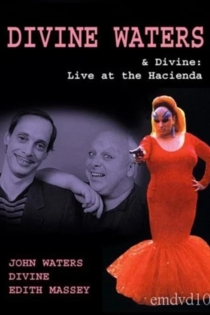
This documentary focuses on the careers of influential partners in trash film, John Waters and Divine. The film includes interviews with Waters' parents and sister, actress Edith Massey sings two songs (Punks, Get off the Grass and Fever), as well as a live performance of Divine performing his song Born to be Cheap.
Divine Waters
Tally Brown, New York
Rosa von Praunheim
Tally Brown, Paul Ambrose
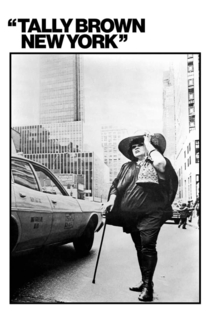
Tally Brown, New York is a 1979 documentary film directed, written and produced by Rosa von Praunheim. The film is about the singing and acting career of Tally Brown, a classically trained opera and blues singer who was a star of underground films in New York City and a denizen of its underworld in the late 1960s. In this documentary, Praunheim relies on extensive interviews with Brown, as she recounts her collaboration with Andy Warhol, Taylor Mead and others, as well as her friendships with Holly Woodlawn, and Divine. Brown opens the film with a cover of David Bowie’s “Heroes” and concludes with “Rock ’n’ Roll Suicide.” The film captures not only Tally Brown’s career but also a particular New York milieu in the 1970s.
Tally Brown, New York
Eat Your Makeup
John Waters
Lizzy Temple Black, Berenica Cipcus
John Waters' first sixteen-millimetre film, about a deranged nanny who kidnaps young girls and forces them to 'model themselves to death' in front of her boyfriend and their crazed friends. It was never shown commercially.
Eat Your Makeup

Studio 54
Matt Tyrnauer
Ian Schrager, Steve Rubell
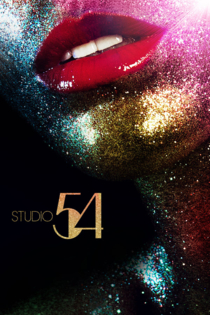
Studio 54 was the epicenter of 70s hedonism - a place that not only redefined the nightclub, but also came to symbolize an entire era. Its co-owners, Ian Schrager and Steve Rubell, two friends from Brooklyn, seemed to come out of nowhere to suddenly preside over a new kind of New York society. Now, 39 years after the velvet rope was first slung across the club's hallowed threshold, a feature documentary tells the real story behind the greatest club of all time.
Studio 54
Roman Candles
John Waters
Divine, Mark Isherwood
John Waters' second film, shot on 8mm, and featuring Divine for the first time. Essentially a plotless collage of random incidents involving sex, drugs, religion and The Wizard of Oz, it was shown with an equally random soundtrack mixing “obnoxious radio advertisements, rock 'n' roll and press conferences with Lee Harvey Oswald's mother”. It was shown three times in public, but never released commercially.
Roman Candles