Peter Kubelka
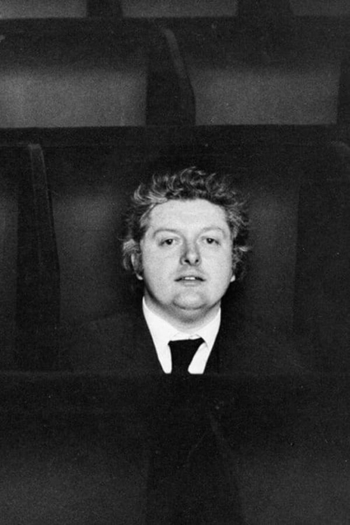
1934 (91 год)Kubelka made 16mm films, mostly shorts, and is known for his 1960 film Arnulf Rainer, a "flicker film" which alternates black and clear film that is projected to create a "flicker" effect. Kubelka also designed the Anthology Film Archives custom film screening space in the 1970s in New York. The theater had highly raked (tiered) seating with a cowel over each seat and visual barriers between each seat so that the audience member was totally isolated visually from other patrons. The theater was painted black and the seating was covered in black velvet. The only light in the room between film showings came from a spotlight aimed at the screen, thus ensuring that the only light in the room came from the screen. The design is illustrative of the purist aesthetic of the Avant Garde film movement of that era.
Description above from the Wikipedia article Peter Kubelka, licensed under CC-BY-SA, full list of contributors on Wikipedia.
As I Was Moving Ahead Occasionally I Saw Brief Glimpses of Beauty
Jonas Mekas
Jonas Mekas, Stan Brakhage
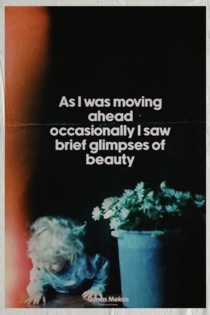
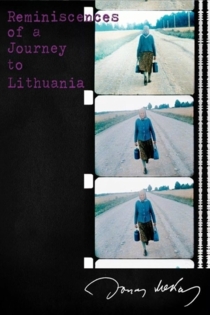
A compilation of over 30 years of private home movie footage shot by Lithuanian-American avant-garde director Jonas Mekas, assembled by Mekas "purely by chance", without concern for chronological order.
As I Was Moving Ahead Occasionally I Saw Brief Glimpses of Beauty
Antiphon
Peter Kubelka
Antiphon is constituted by the same 4 basic elements of cinema, light and darkness, sound and silence, as is my film Arnulf Rainer but it has the opposite form. Negative becomes positive, positive becomes negative, silence becomes sound, sound becomes silence. - Peter Kubelka
Antiphon

Fragments of Kubelka
Martina Kudlácek
Peter Kubelka
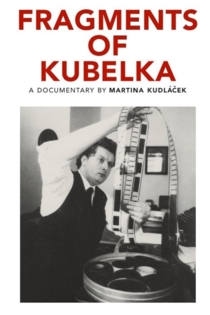
This epic documentary subtly introduces the complex worldview of iconic filmmaker and theoretician Peter Kubelka (born 1934, Vienna). While Kubelka’s radical and pioneering body of films is a highly condensed work of about an hour, focusing on the essence of cinema, his legendary lectures often unfold over many hours. These lectures on “what is cinema” and “cooking as an art form” are frequently illuminated by presentation of archaeological artefacts from Kubelka’s eclectic collection. He considers his ongoing collecting to be an expanded film practice which explores the evolution of humanity. Martina Kudláček has carefully woven an open-ended portrait which goes beyond the biographical to reveal fresh insights into the phenomenon of film.
Fragments of Kubelka
Free Radicals: A History of Experimental Film
Pip Chodorov
Pip Chodorov, Stan Brakhage
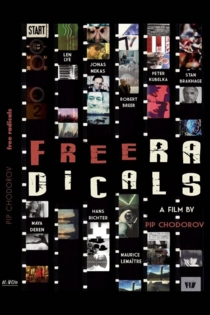
Experimental filmmaker Pip Chodorov traces the course of experimental film in America, taking the very personal point of view of someone who grew up as part of the experimental film community.
Free Radicals: A History of Experimental Film
Cinématon
Gérard Courant
Gérard Courant, Alain-Alcide Sudre
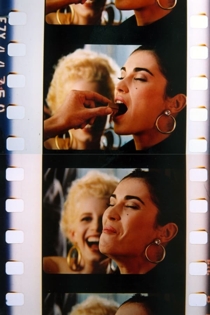
Cinématon is a 156-hour long experimental film by French director Gérard Courant. It was the longest film ever released until 2011. Composed over 36 years from 1978 until 2006, it consists of a series of over 2,821 silent vignettes (cinématons), each 3 minutes and 25 seconds long, of various celebrities, artists, journalists and friends of the director, each doing whatever they want for the allotted time. Subjects of the film include directors Barbet Schroeder, Nagisa Oshima, Volker Schlöndorff, Ken Loach, Benjamin Cuq, Youssef Chahine, Wim Wenders, Joseph Losey, Jean-Luc Godard, Samuel Fuller and Terry Gilliam, chess grandmaster Joël Lautier, and actors Roberto Benigni, Stéphane Audran, Julie Delpy and Lesley Chatterley. Gilliam is featured eating a 100-franc note, while Fuller smokes a cigar. Courant's favourite subject was a 7-month-old baby. The film was screened in its then-entirety in Avignon in November 2009 and was screened in Redondo Beach, CA on April 9, 2010.
Cinématon
Unsere Afrikareise
Peter Kubelka
Originally commissioned by an Austrian couple in 1961 to photograph a travel diary documenting their wild game hunt, Kubelka shot three hours of film and recorded fourteen hours of audio. Over the next few years, Kubelka toiled in the editing bay, producing a work charged with intricate, ironic brutality.
Our Trip to Africa
23rd Psalm Branch: Part II
Stan Brakhage
Peter Kubelka
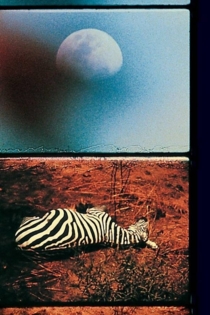
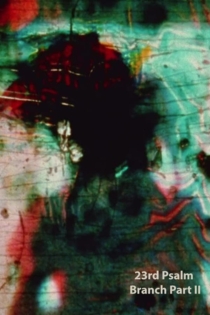
The second part: Brakhage’s layering of images spends less time with images of war, and begins filtering in scenes of Vienna and his home in Colorado. He sets up a comparison between “Kubelka’s Vienna” and his own.
23rd Psalm Branch: Part II
Cinema Austria - Die ersten 112 Jahre
Frederick Baker
Michael Haneke, Ulrich Seidl
This historical and analytical documentary draws attention to the background of the roots of "New Austrian Cinema" and presents Austria as a film country to be taken seriously. The audience gets to see rare early works by well-known filmmakers as well as shots of landscapes that served as a source of inspiration and locations that have produced important Austrian films since the end of the 19th century.
Cinema Austria, the first 112 Years