
Volker Koepp
1944 (82 года)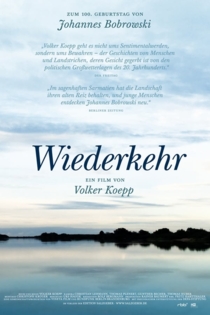



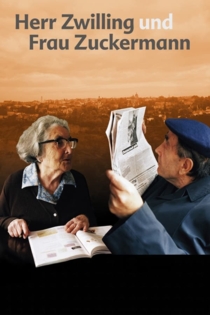
Herr Zwilling und Frau Zuckermann
Volker Koepp
In the west of Ukraine, not far from the border to Romania, there is a faraway European city: Czernowitz. It was once the centre of Jewish culture in the Bukowina, a border area characterized over centuries by a multi-cultural mixture of peoples. Here, Ukrainians, Poles, Romanians, Germans and Jews lived side by side. Volker Koepp’s film focuses on Mr. Zwilling and Mrs. Zuckermann, two of the last few Jews born in the old Czernowitz. They share a friendship but also their love for the German language. Mr. Zwilling visits 90-year-old Mrs. Zuckermann daily in the early hours of the evening. They talk about old times, about shared events, about politics and literature and the worries of everyday life.
Herr Zwilling und Frau Zuckermann

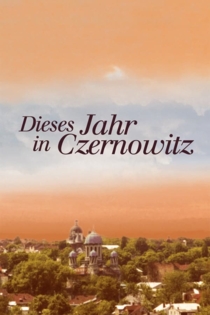
Dieses Jahr in Czernowitz
Volker Koepp
Harvey Keitel, Norman Manea
Czernowitz, an out-of-the-way city in the middle of Europe. It was once part of the Austro-Hungarian monarchy as the capital of the crown province of Bukowina. People of many different nationalities, languages, and cultures lived here together: Ukrainians, Romanians, Germans, Poles, Huzulians. Almost half of the population of Czernowitz, once amounting to 150,000 inhabitants, were Jews. The southern part of Bukowina is now part of Romania, the north, with Czernowitz/Chernivtsi, belongs to the Ukraine. Six years ago Volker Koepp made his film Herr Zwilling und Frau Zuckermann there. Dieses Jahr in Czernowitz returns there with emigrants and their descendants.
This Year in Czernowitz
Holunderblüte
Volker Koepp
Fritzi Haberlandt, Volker Koepp
The film tells the story of the East Prussian landscape and its inhabitants. At one time Germans, Poles, Lithuanians and Jews lived here alongside and with one another. After World War II and the expulsion of Germans by Stalin, the Prussian province turned into a Russian enclave. Volker Koepp’s fourth film about the Kaliningrad region is dedicated to the generation, born in the '90s, and familiar with the Soviet Union and East Prussia only from school books. Parents and grandparents who were forcefully resettled to where they are now have never really felt at home. In the meantime they have hopelessly succumbed to unemployment and alcohol. Their children can only rely on themselves. Older siblings look after the younger ones, they play with what lies around, and the girl Ljuda can’t wait to finally turn eighteen, to be able to take her brothers home from the orphanage. The film has much confidence in the children. But what will become of them?
Elder Blossom