Keigo Kimura
1903 - 1986
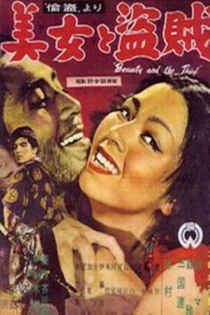
美女と盗賊
Keigo Kimura
Machiko Kyō, Masayuki Mori
The picture belongs to the jidai gekki (historic) genre. It is a powerful story of violence and eroticism, picturing a world at once sordid and poetic, with two central themes which intermingle to compound an admirable panel of a critical period in Japanese history: the great famine in the mid 19th Century.
Beauty and the Thief
瘋癲老人日記
Keigo Kimura
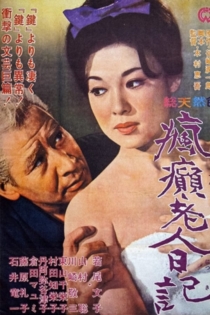
Sō Yamamura, Ayako Wakao
Utsugi, a seventy-seven-year-old man of refined tastes who is recovering from a stroke, discovers that, while his body is decaying, his libido still rages on -- unwittingly sparked by the gentle, kindly attentions of his daughter-in-law Satsuko, a chic, flashy dancer with a shady past. Pitiful and ridiculous as he is, Utsugi is without a trace of self-pity, and his diary shines with self-effacing good humor.
Diary of a Mad Old Man
初春狸御殿 (Hatsuharu tanuki goten)
Keigo Kimura
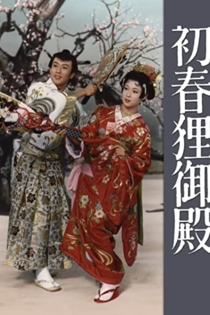
Raizō Ichikawa, Ayako Wakao
Once upon a time, Okuro (Ayako Wakao), a young female racoon, lived poorly with her drunken father. One day after they disguised themselves as parasols, they were wrongly brought to the Racoon Palace, where the young racoon princess (also Ayako Wakao) made a mess of her arranged marriage with the beautiful racoon prince (Raizô Ichikawa). Pretty princess ran away. In order not to spoil the promising marriage, people tried to make use of resemblances between Okuro and the princess. Before long, Okuro and the Prince fell in love with each other...
Enchanted Princess
歌ふ狸御殿
Keigo Kimura
Hiroko Takayama, Chikako Miyagi
In this Japanese retelling of Cinderella, Okuro (Takayama) is the unfortunate stepdaughter of a family of tanuki: shape-shifting raccoon dogs. She hopes to see the tanuki prince (former Takarazuka star Miyagi) against her stepmother's wishes; the magical spirit of the willow tree, and a hapless kappa (water goblin) intercede in unexpected ways.
Palace of the Singing Raccoon-Dogs