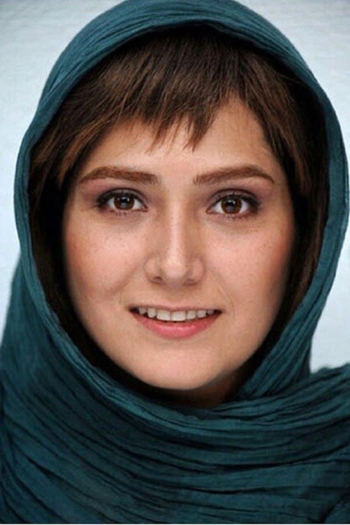
Baran Kosari
1985 (40 лет)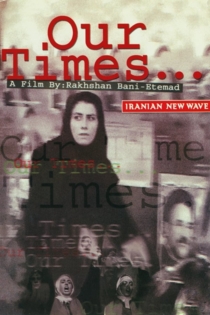
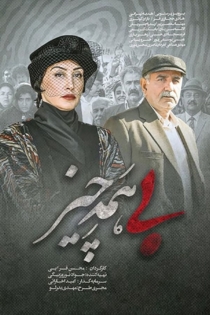
Under the Skin of the City
Rakhshan Banietemad
Mohammad Reza Foroutan, Golab Adine
Tuba works daily at a grueling textile factory in Iran, returning home every night to deal with the rest of her problematic family, which includes: a pregnant daughter whose husband beats her regularly; a teenage son, who's been getting into trouble due to his burgeoning career in radical politics; and an older son who goes to great lengths--such as attempting to sell the family's meager house--in order to get an engineering job in Japan as a means of getting out of Iran.
Under the Skin of the City

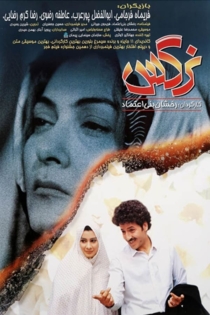
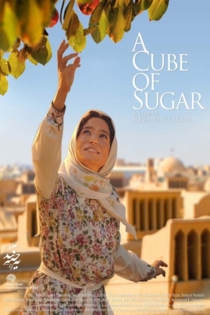
A Cube of Sugar
Reza Mirkarimi
Reza Kianian, Negar Javaherian
Throughout the two days preceding her long-awaited wedding, amid the flurry of arriving relatives and the preparation of a seemingly endless array of colorful, culinary delights, young bride-to-be Pasandide finds herself the center of attention. The event also proves an occasion for extended family to reconnect, reminisce and rejoice in the pleasures of familiar company. The family compound of aged Uncle Ezzatolah proves an ideal site for this summer reunion among three generations, with its lush courtyard gardens, labyrinthine parlors and passageways and erratic electrical system (subject to untimely city blackouts).
A Cube of Sugar
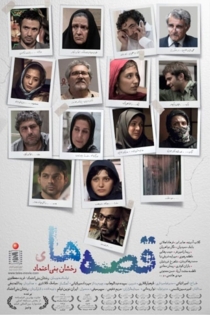
Tales
Rakhshan Banietemad
Habib Rezaei, Mohammad Reza Foroutan
Award-winning Iranian filmmaker Rakshan Banietemad ends her eight-year hiatus from feature filmmaking with this ingenious, mosaic-like narrative, which knits together the stories of seven characters to create a microcosm of Iranian working-class society.
Tales
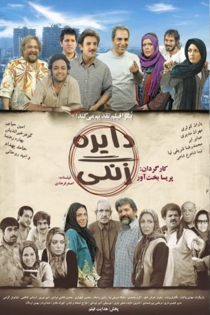
دایره زنگی
Parisa Bakhtavar
Baran Kosari, Saber Abar
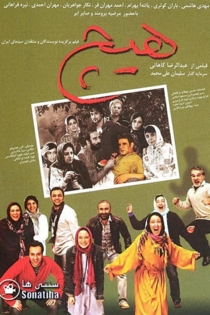
Mohammad is sent to an apartment situated in uptown Tehran to install their satellite dishes, while having satellite TV is illegal in Iran. He arrives there with a girl named Shirin who seems to be his girlfriend and is in need of some money to repair her father's car with which she has had an accident the day before. Each of the house's residents have their own fish to fry and they also want their satellites installed as soon as possible.
Tambourine
آخرین داستان
Ashkan Rahgozar
Leila Hatami, Parviz Parastouei
Kingdom of Jamkard, ancient Persia. After defeating the armies of Ahriman, embodiment of evil, King Jamshid, bearer of the light of Divine Power, abandons his people blinded by pride, determined to conquer new lands. Thus, by chance, Zahhaak becomes regent and undertakes the reconstruction of the devastated capital. But then Ahriman, who dwells in the heart of every human being, begins to poison his tormented soul.
The Last Fiction

روسری آبی
Rakhshan Banietemad
Ezzatolah Entezami, Fatemeh Motamed-Arya
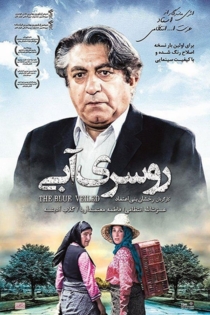
An elderly owner of a tomato farm and sauce factory, after his wife's death, falls in love with one of the workers of the factory endangering his relationship with his daughters and in-laws. While everybody in the big family persuades the old man to abandon the relationship with the poor girl, the old man makes his final choice of love.
The Blue-Veiled
عصبانی نیستم!
Reza Dormishian
Baran Kosari, Navid Mohammadzade
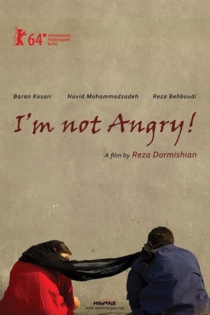
I'm not Angry! is the story of Navid, a starred and expelled university student who - while trying to provide the least requirements of a normal life -, tries not to get angry when he is faced with the immoralities prevalent in the society, and does all he can to keep his love, Setareh.
I'm Not Angry!
گیلانه
Mohsen Abdolvahab, Rakhshan Banietemad
Madjid Bahrami, Shahrokh Foroutanian
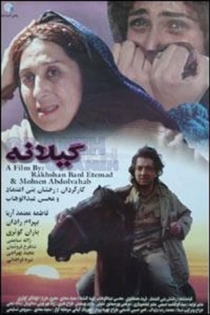
A mother's courage, hardship, and love, in times of war. In 1988, during the Iran-Iraq war, Gilane escorts her pregnant daughter, Maygol, from the relative calm of their village, Espili, into war-torn Tehran to search for Maygol's husband, Rahman. The journey is arduous and what they find when they reach the capital is dismaying and frightening. Fifteen years later, as another war begins in Iraq, Gillane is at home caring for her son Ismael, who suffers from epilepsy, a byproduct of war. As she cares for him, she hopes for a visit from the doctor and from another daughter, Atefah. "Better be a dog than a mother," she says.
Gilaneh
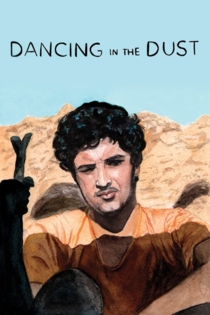
Dancing in the Dust
Asghar Farhadi
Faramarz Gharibian, Yousef Khodaparast
When forced to divorce his wife by family and social pressure because her mother is a prostitute, Nazar (Khodaparast) works double shifts to pay back the loan he took out for his impulsive wedding and to pay some ongoing restitution to his sweet jilted bride, Reyhaneh (Kosari). When he falls behind in the payments he flees the police and ends up in the desert with an uncommunicative old man (Gharibian) who catches poisonous snakes for their venom. These two are forced to coexist in the desert, because Nazar is unwilling to return to the city and wants to catch snakes to make enough money to settle his debts. His verbose, chattering annoys the reticent old man until Nazar's life is endangered. Written by Maple-2
Dancing in the Dust
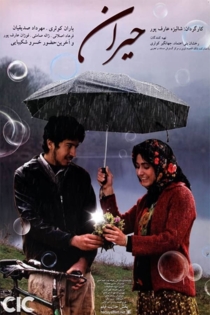
حیران
Shalizeh Arefpoor
Mehrdad Sedighian, Baran Kosari
During the rule of Taliban in Afghanistan, about 3 million illegal Afghani immigrants entered Iran and caused numerous problems for the Iranian society to accept them. This film depicts the story of a 17 year old rural girl by the name of Mahi (Fish), who comes from a war-stricken family in southern Iran. Mahi falls in love with Heiran, an Afghan student who has come to their village to work. However, Mahi's family being strictly against her marriage to Heiran, force Mahi to choose one between her family and an Afghan boy.
Heiran
شیرین
Abbas Kiarostami
Tarane Alidousti, Pegah Ahangarani
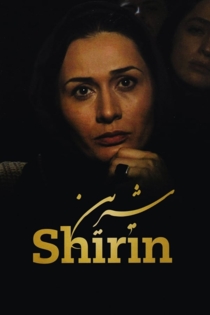
A hundred and fourteen famous Iranian theater and cinema actresses and a French star: mute spectators at a theatrical representation of Khosrow and Shirin, a Persian poem from the twelfth century, put on stage by Kiarostami. The development of the text -- long a favorite in Persia and the Middle East -- remains invisible to the viewer of the film, the whole story is told by the faces of the women watching the show.
Shirin