Yonggang Wu
1907 - 1982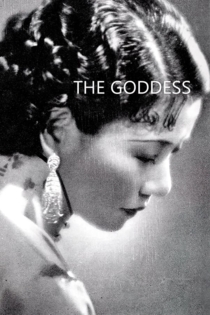
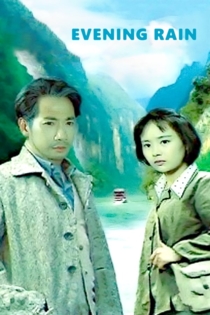
巴山夜雨
Wu Yigong, Yonggang Wu
Bin Lin, Zhang Yu
At the tail end of the Cultural Revolution, Qiu Shi, a poet who has been in prison for six years, is transferred elsewhere by boat under the guard of two officers. During transit, he meets a series of passengers, who have also faced hardships in recent times.
Evening Rain
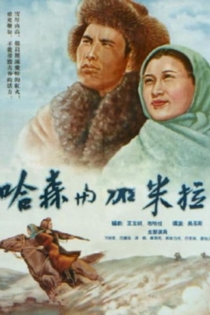
哈森与加米拉
Yonggang Wu
Abulai, Hu Qinghan
Хасан и Камиля, уроженцы Синьцзяна – одной из провинций Китая, давно любят друг друга. Но много препятствий лежит на их пути к счастью. Дело в том, что сын местного богатея решил взять себе в жены Камилю против ее воли. Трудно бороться с таким всесильным соперником! И героям приходится покинуть родные места, долго укрываться от преследователей. Вступив в ряды Народно-освободительной армии, Хасан борется за прочное счастье не только для себя, но и для всего своего народа
哈森与加米拉
Lang tao sha
Yonggang Wu
Jin Yan, Zhang Zhi-Zhi
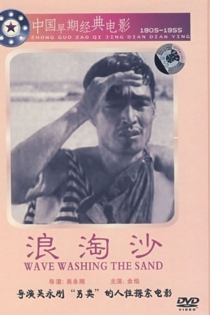
Returning home from a long voyage overseas, a man finds his wife and child living with another man. Fuelled by anger, he murders the other man and is forced to flee justice, until he faces death on a deserted island.
Waves Washing the Sand
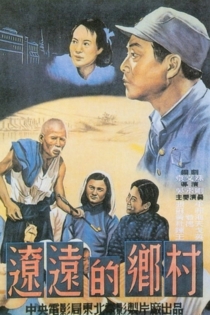
辽远的乡村
Yonggang Wu
Ping Zhang, Fei Su
В 1947 году Северо-восточная народно-освободительная армия одержала крупную победу в ожесточенных боях. Нуждающиеся в работе Молон Ван и его жена Цзюань Чжан были отправлены на работу в Таохуачуань, отдаленный и сложный новый район. Как только он прибыл в район, Молон Ван и районный чиновник Чэнчжун Лян отправились в деревню и увидели, как высыхают поля. Необходимо было срочно отремонтировать дамбу. Дочь деревенского кулака Сюмэй Сунь и агент Гоминьдана Цзяньтоу Ли сговорились спровоцировать ряд проблем на подрыв единства двух деревень, чтобы расправиться с новым руководителем района Молон Ваном…
A Remote Village
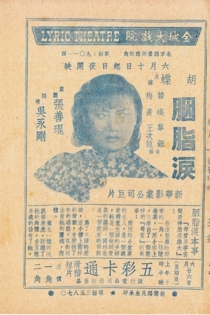
胭脂泪
Yonggang Wu
Butterfly Wu, Henry Lai
This sound film remake of The Goddess (1934) was headlined by Hu Die, who found stardom at the same time as Ruan Lingyu. Henry Lai Hang and Zhang Zhizhi reprised their roles from the earlier film. The first half of the story follows The Goddness but the second half references Bu Wanchang’s Love and Duty (1931) and King Vidor’s American film Stella Dallas (1937) with additional plots of the heroine’s post-prison story. After years of separation, she hesitates whether to reunite with her son. This new version poses a bigger challenge to a mother’s love and pushes towards the completion of her fate. The characters use dialogue to express their pain and connection, which strengthens the dramatic dilemma and makes the film more straightforward than its predecessor. Hu Die possesses a sort of allure that shows the sadness, shame, and will of a common woman from middle age to old age.
Rouge Tears