Masha Novikova
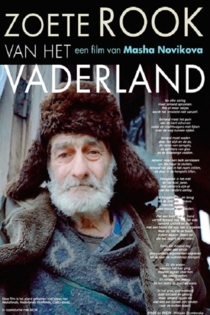
2021Sweet Smoke of the Fatherland
Masha Novikova
This film is a triptych with three stories, involving three characters. They live in different parts of Europe: Western Europe -Catalonia (Spain); Eastern Europe -Lithuania; and in the new Europe -Georgia (Akhazia). They have experienced, in different parts of the 20Th century, civil wars and dictatorships. They share the same fate: they stayed where they were born. This film is about people who decide to do nothing in times of war, oppression and occupation. They choose a life amidst the ruins of their past. Even when this choice leads to loneliness: living a dream, not a reality. Alone, between the graves of their loved ones, they spend their last days. They have frozen their lives by protecting themselves from the outside world.
Sweet Smoke of the Fatherland

Daymohk
Masha Novikova
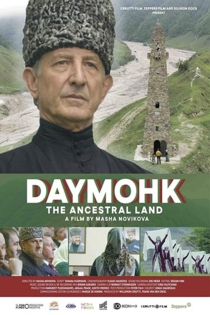
The film DAYMOHK tells the story of Chechen dance star and choreographer Ramzan Ahmadov, whose dance group Daymohk has found refuge with Chechnya’s current president Kadyrov. Momentarily postponing the extinction of this age-old folk dance. But the sacrifice this move takes, is great: in an attempt to save his country’s tradition, Ramzan collaborates with the authorities and sacrifices what he loves the most.
Daymohk
Бег времени
Masha Novikova
Dreams of three generations of rural residents on the Volga. The old people talk about their first love, which is best remembered in memory. A young country boy - about how he was in the war in Afghanistan, and how she changed his life. Sixteen-year-old boy remembers childhood, when he swam carelessly, ran, was in love with the girl. This film - funny and sad stories of people of different ages, who believe that their best and strongest times are already in the past, perhaps, just like the whole country.
Flight Of The Time
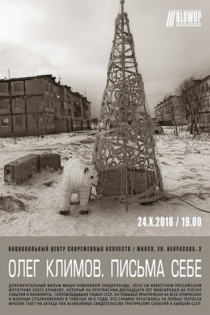
Олег Климов. Письма себе
Masha Novikova
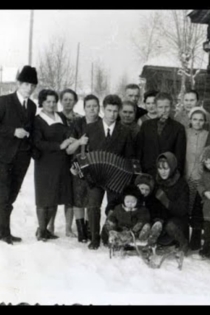
For twelve years, military photographer Oleg Klimov recorded the collapse of the Soviet Union on film. He was present in almost all military and ethnic conflicts in the 90s. His photographs were on the front pages of many Western newspapers, as dumb witnesses of the wars in the former Soviet Union. But Oleg’s career also influenced his personality. After a few quiet years, he suddenly finds a military trauma in himself. Driven by inner longing, he returns to some places where he photographed people during the war: in Nagorno-Karabakh, Abkhazia and Chechnya in order to find those who are depicted in the pictures.
Oleg Klimov. Letters to Myself