Andrea Santana
2021Puisque nous sommes nés
Andrea Santana, Jean-Pierre Duret
Cocada and Nego are two boys in their early teens living in a small town in Pernambouc, Brazil. Cocada and Nego are half-brothers who live with their mother, stepfather and eight other siblings in a ramshackle house where the children are often left to care for themselves as their parents work. Filmmakers Jean-Pierre Duret and Andréa Santana spent some time with Cocada and Nego, and Puisque nous sommes nés is a documentary that offers a look at their lives as they struggle with poverty and dream of a happier future.
Because We Were Born
Se battre
Andrea Santana, Jean-Pierre Duret
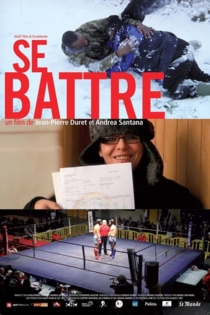
Today, countless French people of all ages find it hard making ends meet. We know virtually nothing about these lives, their innermost thoughts, their daily routine and their struggle to survive. Stigmatized by misleading and unfair descriptions, they are the dark and silent face of our society that we are gradually coming to accept. However, within them, they carry the desire for rebellion, their dreams, the lust for life and the words to express all that. Alone at their side, volunteers from charity organizations, a genuine shadow army, work selflessly for an idea of justice and the common good. Their united energies fuel the desire to go on living together and mark out a pathway of hope for all. Cinema's fragile gift is to place us at the heart of these fragments of existence, both offered to our gaze and yet so modest.
Se battre
Rio de Vozes
Andrea Santana, Jean-Pierre Duret
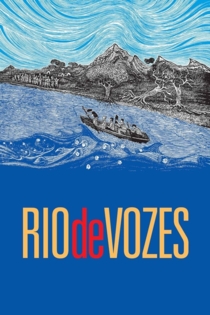
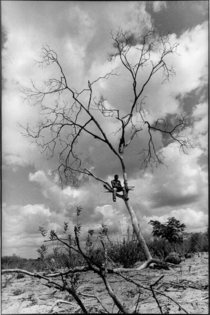
The São Francisco River crosses the Brazilian hinterland, lands marked by extreme aridity. This great river that was once impetuous and generous is now very fragile. Deforestation of its margins and overexploitation of land by intensive agriculture endanger the great diversity of its ecosystem. The lives of riverside dwellers are affected in its deepest integrity, as well as their areas. The São Francisco River is the vital flow of their existence and the central place of their hopes and imagination, but the general feeling is that if the river dies, everything will disappear with it. Women are at the forefront of resistance. They struggle daily to allow for the possibility of a future. Their children also claim this identity, which it is up to them to renew and make fruitful.
Rio de Vozes