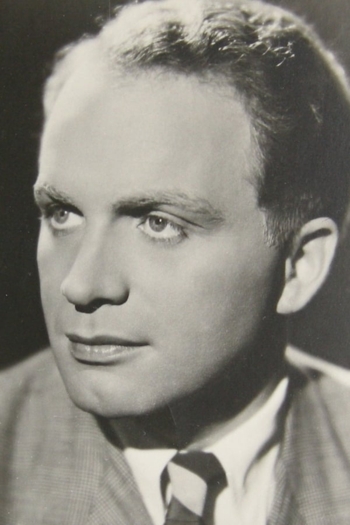
Fritz Genschow
1905 - 1977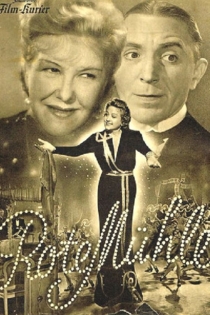
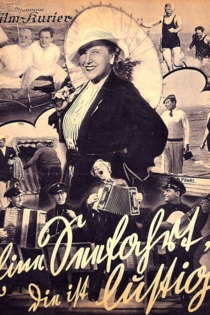
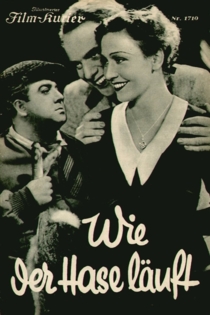
Eine Seefahrt, die ist lustig
Alwin Elling
Ida Wüst, Paul Henckels
Fritz Schmitz advertises the sea journeys of Mr. Hein Kluge using this melody. Fritz is Mr. Winkler's nephew and aside from attracting participants in these sea journeys, he's trying to get his uncle to invest 10,000 Reichsmark in Mr. Kluge's operation. And indeed, Mr. Winkler promises to make the investment, if the sea journey proves to be what he's expecting. He's hoping, by the way, to get to know "Emma", with whom he's been corresponding for quite a while now, because she put an ad out saying she wants a husband. And wouldn't you know it: without having met her except by mail, he's fallen for her! Another big condition is that Fritz not sell Mrs. Muller a ticket for this trip. On the steps, Fritz gets to know a young girl, with whom he falls in love at first sight and, without knowing her name, invites her to join the tour. And wouldn't you know it: this woman is Frau Muller's daughter. Can you guess where this is going?
Eine Seefahrt, die ist lustig


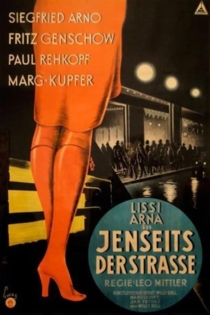
Jenseits der Straße
Leo Mittler
Lissy Arna, Paul Rehkopf
A pre-Depression slice of proletarian life from Weimar Germany, Harbour Drift is unusually interesting for its indifferent pessimism, rejecting even the minor rays of hope which permeate the other low-life ‘street films’ of the period. A sordid tale of poverty and greed set within a quayside milieu of crime and prostitution, the narrative centres on the quest for a sparkling pearl necklace stolen by a beggar under the gaze of a prostitute, who persuades her unemployed friend to steal it back, with tragic consequences. The story unfolds in flashback, without irony or a hint of redemption: life simply goes on. The film is remarkable for the innovative camerawork of Friedl Behn-Grund, which manipulates light and shadow to create a nightmarish atmosphere of fear and premonition.
Harbour Drift
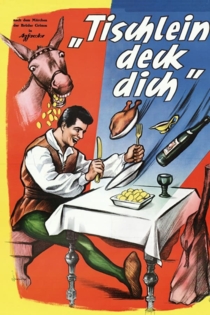
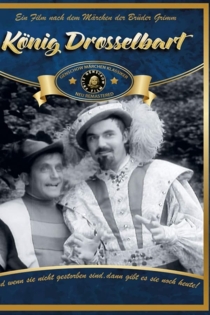
Aschenputtel
Fritz Genschow
Rita-Maria Nowotny, Änne Bruck
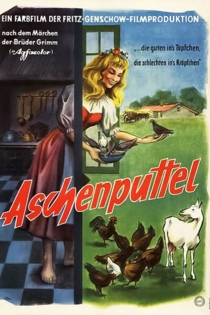
"Cinderella" is a delightful musical version of the classic fairytale of a good-natured girl and her wicked stepmother. When the local prince holds a ball for all the women in the land so he can find a wife, Cinderella is forbidden to go. With the aid of her good fairy godmother, however, Cinderella attends the ball and wins the prince's heart.
Cinderella
Die Gänsemagd
Fritz Genschow
Rita-Maria Nowotny, Renée Stobrawa
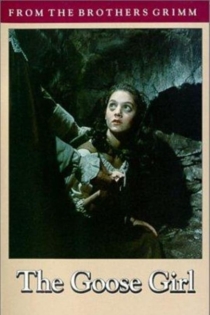
A beautiful princess is betrothed to the prince of a neighboring kingdom, and when the time comes, she sets out with a small entourage to wed him. She is given a magic handkerchief by her mother, which she is told will protect her, along with a talking horse. Before she departs, her mother entrusts her to the care of her chambermaid, who promises to look after her. Unknown to the queen, however is the fact that the chambermaid desires the prince for herself, and has been concocting an evil plan to accomplish her ends. With the reluctant help of two bumbling servants, the chambermaid deprives the princess of the magic handkerchief, and tricks her into changing places with her, swearing her to secrecy. Once they arrive at the palace, the maid is taken for the princess, who becomes a goose girl.
Die Gänsemagd
Man spricht über Jacqueline
Werner Hochbaum
Wera Engels, Sabine Peters
Since her father died, rich and carefree Jacqueline Topelius makes magazine covers and causes social gossip with her flirtatious adventures around Europe, leaving a string of admirers behind without much concern. Her sister June, living in Paris, is all the contrary but they love each other just the same. Everything changes when Jacqueline meets Dr. Michael Thomas, who rejects her at first. Now she must choose, and also face the consequences her past life may have on their future together.
Talking About Jacqueline

Morgenrot
Vernon Sewell, Gustav Ucicky
Rudolf Forster, Fritz Genschow
Released three days after Adolf Hitler became Reichskanzler, it was the first film to have its screening in Nazi Germany. It became a symbol of the new times touted by the Nazi regime. The title (literally "morning-red") is the German term for the reddish coloring of the east sky about a half hour before the sunrise. On patrol Captain Liers and his submarine crew sink an important British ship, but while returning to harbour, they're lured into a trap by a British vessel disguised as a neutral Danish one. They sink it after it attacks them without warning, but while they prepare to rescue survivors, a British destroyer sinks the sub. On the sea bed 60 feet down, with all but the bridge flooded, the 10 surviving crew have only 8 rescue devices. Liers orders the crew to use them, but they disobey - either all escape or nobody does.
Dawn
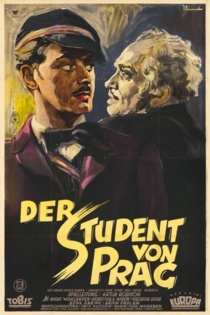
Der Student von Prag
Arthur Robison
Adolf Wohlbrück, Dorothea Wieck
Prague in the 1860s: Balduin is a popular, handsome student, the best fencer in town, in amicable rivalry with his friend Dahl for the affections of Lydia, the innkeeper's niece. While the students are celebrating Lydia's birthday, the opera singer Julia Stella arrives at the inn - and Balduin's life begins to unravel. He is immediately infatuated with the glamorous singer - but she is already kept by an admirer, the wealthy and foppish Baron Waldis. How can a poor student hope to compete? The mysterious Dr. Carpis, who also has ties to Julia and is jealous of the Baron, intervenes. But the price will be higher than Balduin can ever imagine. He risks his sanity and his life - perhaps his very soul - haunted by his own reflection.
The Student of Prague