Kikuko Hanaoka
1910 - 1984
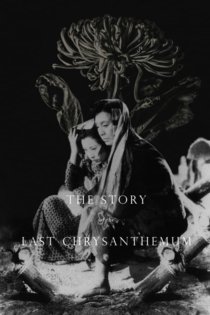
残菊物語
Kenji Mizoguchi
Shôtarô Hanayagi, Kōkichi Takada
In late 19th century Tokyo, Kikunosuke Onoue, the adopted son of a legendary actor, himself an actor specializing in female roles, discovers that he is only praised for his acting due to his status as his father's heir. Devastated by this, he turns to Otoku, a servant of his family, for comfort, and they fall in love. Kikunosuke becomes determined to leave home and develop as an actor on his own merits, and Otoku faithfully follows him.
The Story of the Last Chrysanthemum
麗人
Yasujirō Shimazu
Sumiko Kurishima, Yukichi Iwata
Немой фильм «Прекрасная» (иной вариант перевода — «Красавица») является примером жанра кэйко-эйга (так называемых «тенденциозных фильмов») левого толка и продвигает социальную критику через несправедливые переживания женщины.
Reijin

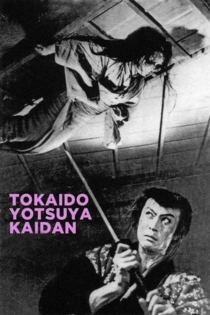
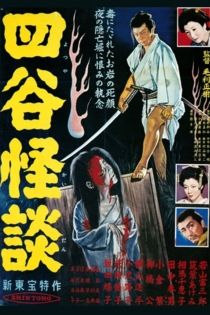
Yotsuya Kaidan
Masaki Mōri
Tomisaburō Wakayama, Akemi Tsukushi
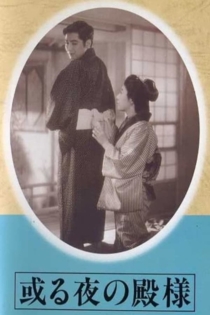
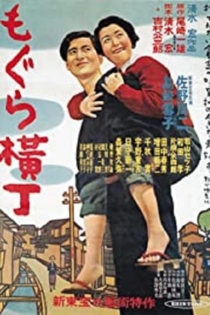
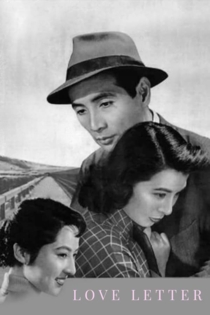
Oiwa has been searching for the one who killed her father for a long time. She comes to Yedo and sees a man named Naosuke. The film is based on the kabuki classic: Toukaidou Yotsuya Kaidan (1826) written by Tsuruya Nanboku and is one of the most famous ghost stories throughout Japan.
The Ghosts of Yotsuya
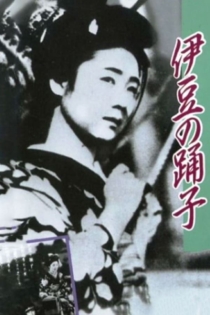
恋の花咲く 伊豆の踊子
Heinosuke Gosho
Kinuyo Tanaka, Den Obinata
"The Dancing Girl of Izu" tells of the story between a young male student who is touring the Izu Peninsula and a family of traveling dancers he meets there, including their youngest girl. The student finds the naïve girl attractive even though he eventually has to part with the family after spending memorable time together.
The Dancing Girl of Izu