Eduardo López Rojas
1937 - 1999
Los caifanes
Juan Ibáñez
Julissa, Enrique Álvarez Félix
A couple on the verge of getting married gets mixed up with a gang of thugs in this routine crime drama that underscores the Socio-economic disparity in the Mexican culture. The upper-class couple rides along with outsiders who go club-hopping and resort to petty thievery. After their adventure, the couple questions whether or not they are right for each other.
Los Caifanes

María de mi corazón
Jaime Humberto Hermosillo
Héctor Bonilla, María Rojo
Héctor and María meet again after eight years of not seeing each other. She works as a magician in cabarets and he robs houses. María convinces Héctor to become a magician and work together. Life seems to smile on them until one day, when Maria travels to another city, the couple's situation will be overshadowed by an unfortunate event.
Maria of My Heart

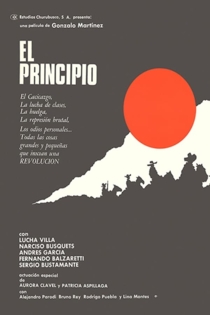
El principio
Gonzalo Martínez Ortega
Lucha Villa, Narciso Busquets
Mexico is in the midst of Revolution when the protagonist returns after studying in Paris to find his native town in Chihuahua occupied by Francisco Villa’s revolutionary forces. He visits his deserted home and remembers people and events from his adolescence that provide glimpses of pre-Revolutionary society under dictatorship: his uncle, the chief of police; his sister’s involvement with a liberal political association; bathing with the girls from a local brothel; a labor strike that ended in a massacre. Returning to the present he discovers that his father has been assassinated and, in the company of his father’s former servant, joins the revolutionary movement.
El principio
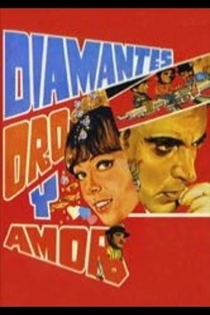
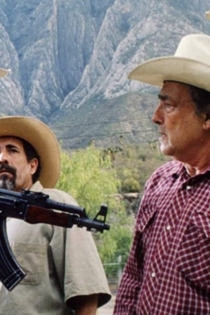
¿Cómo ves?
Paul Leduc
Blanca Guerra, Roberto Sosa
Award-Winning filmmaker Paul Leduc (Frida, Naturaleza Viva, Reed: Insurgent Mexico, Barroco) directed this gritty musical drama about life in the ghettos of Mexico City during the 1980s. With a soundtrack of Mexican rock music, the camera takes the viewer through the streets, to rock concerts, and to the bars and clubs, where he exposes the hunger, repression, unhealthy conditions and violence in the marginal communities of Mexico's capital city.
As You See?

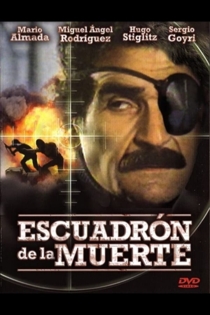
My Family
Gregory Nava
Edward James Olmos, Jimmy Smits
Traces over three generations an immigrant family's trials, tribulations, tragedies, and triumphs. Maria and Jose, the first generation, come to Los Angeles, meet, marry, face deportation all in the 1930s. They establish their family in East L.A., and their children Chucho, Paco, Memo, Irene, Toni, and Jimmy deal with youth culture and the L.A. police in the '50s. As the second generation become adults in the '60s, the focus shifts to Jimmy, his marriage to Isabel (a Salvadorian refugee), their son, and Jimmy's journey to becoming a responsible parent.
My Family
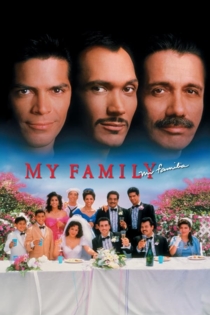
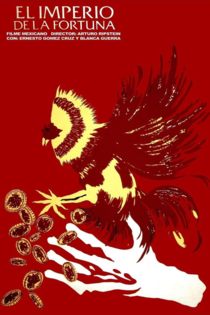
El imperio de la fortuna
Arturo Ripstein
Ernesto Gómez Cruz, Blanca Guerra
Poor Dionisio finds himself as recipient of the good fortune, but soon he forgets that everything that goes up also has to go down, and that in the depressing nothingness of his town it is easy to die.
The Realm of Fortune
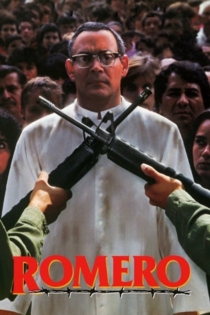
Romero
John Duigan
Raúl Juliá, Richard Jordan
Romero is a compelling and deeply moving look at the life of Archbishop Oscar Romero of El Salvador, who made the ultimate sacrifice in a passionate stand against social injustice and oppression in his county. This film chronicles the transformation of Romero from an apolitical, complacent priest to a committed leader of the Salvadoran people.
Romero
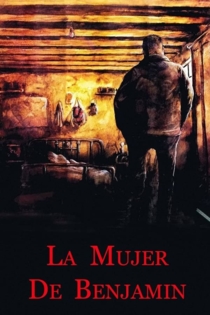
Benjamín's Wife
Carlos Carrera
Malena Doria, Juan Carlos Colombo
Benjamin is an old bachelor who lives with his sister. One day he falls in love with the young Natividad. Seeing that the love letter strategy doesn't work with the girl, Benjamín decides to kidnap her.
Benjamín's Wife

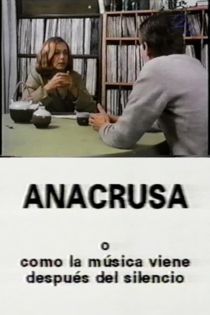
Anacrusa
Ariel Zúñiga
Adriana Roel, Carlos Castañón
The divorced university professor, Victoria, signs a letter of protest for the political disappeared that her students request, although she is not interested in politics. That afternoon his daughter, a twenty-year-old medical student, disappears. This event will change the vision of Victoria and her participation together with relatives of other political disappeared to obtain justice.
Anacrusa
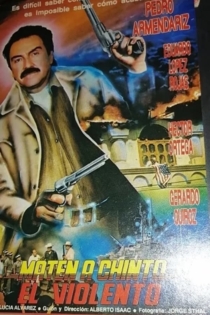
¡Maten a Chinto!
Alberto Isaac
Pedro Armendáriz Jr., Héctor Ortega
During the Christmas season of 1944 in the Pacific coast port city of Manzanillo, hotel manager Chinto loses his temper and assaults "Inés," the homosexual cook. Inés complains to the police, but when several patrolmen come to arrest Chinto, he pulls a pistol and shoots them. The authorities soon lay seige to the hotel; Chinto's employees, oddly enough, follow his orders without question and assist him in barricading the hotel's doors and windows. The guests include U.S. consul Kraft and Pamela, the blonde mistress of a Mexican businessman (whose Mexican wife is also staying in the hotel). Chinto has been having an affair with one of the maids (who, unknown to him, is pregnant with his child), but he begins a brief sexual liaison with Pamela (she asks him "Who taught you English?" and Chinto replies, "George Raft").
¡Maten a Chinto!