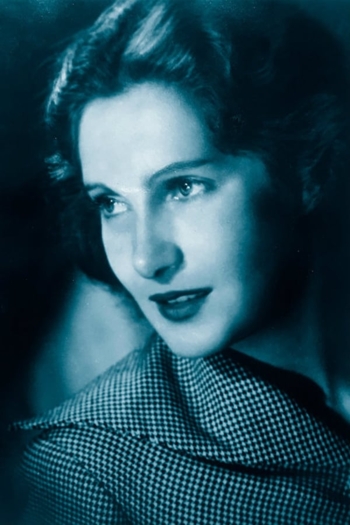
Jill Craigie
1911 - 1999
To Be a Woman
Jill Craigie
Wendy Hiller, Julian Somers
Documentary arguing the case for equal pay for women. Women are seen employed in their homes, in factories, teaching, nursing, in politics and in the professions. There are also some newsreel shots of marching suffragettes.
To Be a Woman
The Way We Live
Jill Craigie
Peter Willes, Francis Lunt
Drama and documentary are combined in this stylish and ambitious film, in which 3000 local people took part. The film delves into the complexities of rebuilding a city, showing frustrations along the way as well as vivid scenes of family life in trying circumstances.
The Way We Live
Out of Chaos
Jill Craigie
Diana Beaumont, Nova Pilbeam
Examines the role of art in WWII; featuring Henry Moore's drawings of London Underground during bombing raids, Paul Nash's paintings of aircraft dumps, Stanley Spencer's shipbuilding panels, Evelyn Dunbar's land girls, alongside many amateur artists too.
Out of Chaos


Independent Miss Craigie
Lizzie Thynne
Hayley Atwell, Mimi Haddon
Some time after her death, film director Jill Craigie (1911- 99), re-opens an old suitcase, prompting memories of the extraordinary life and loves of this forceful, charismatic woman, whose work has been long neglected. Craigie was one of the first women to direct documentaries. Working outside the British Documentary Movement in the 1940s and early 1950s, her films such as To Be Woman (1951), on equal pay, and Out of Chaos (1944), the first film about artists at work, featuring Henry Moore and Paul Nash, tackled new subjects for the cinema through a unique blend of drama, polemic and humour. Independent Miss Craigie uses the director’s unseen papers, and her films, to reveal her energetic struggles to get her radical projects made and distributed, including her last one, on the Yugoslav conflict, made when she was 83, with her husband, former Labour leader, Michael Foot.
Independent Miss Craigie

Children of the Ruins
Jill Craigie
Cecil Trouncer, Jill Craigie
The ill effects on children's bodies and minds of the chaotic conditions being countered by the endeavours of UNESCO. The film emphasises especially the problem of the devastated areas.
Children of the Ruins