Wirgiliusz Gryń
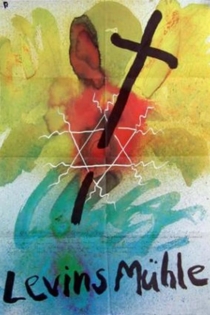
1928 - 1986Levin's Mill
Horst Seemann
Erwin Geschonneck, Katja Paryla
In a small village in West Prussia in the 1870s, Germans, Poles, Gypsies and Jews live together as neighbors. One night Johann, a German mill-owner, secretly opens the dam gates and floods the mill of his Jewish rival Levin. After his business is ruined and his calls for justice go unanswered, Levin leaves town.
Levin's Mill
The Wedding
Andrzej Wajda
Marek Walczewski, Izabela Olszewska
Set at the turn of the century, the story concerns a Polish poet living in Cracow who has decided to marry a peasant girl. The wedding is attended by a heterogenous group of people from all strata of Polish society, who dance, get drunk and lament Poland's 100-year-long division under Russia, Prussia, and Austria. The bridegroom, a painter friend, and a journalist each in turn is confronted with spectres of Polish past. In the end a call to arms is called but turns out to be a hoax.
The Wedding

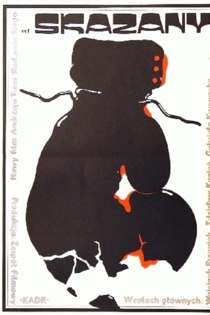

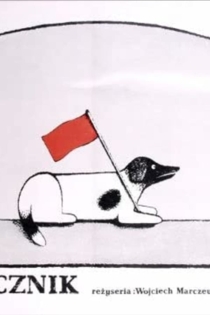
Klucznik
Wojciech Marczewski
Wirgiliusz Gryń, Tadeusz Łomnicki
A small village during the period of agricultural reforms in 1945. The two protagonists, a terminally ill count and his housemaster, engage in a private game that consists of artificially maintaining the social hierarchy which reigned here for centuries.
The Housemaster
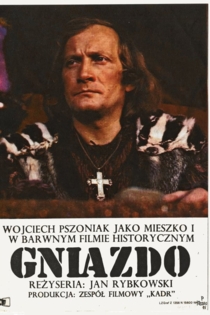
Gniazdo
Jan Rybkowski
Wojciech Pszoniak, Marek Bargiełowski
Told in flashback as Mieszko lies feverish in his bed just before the Battle of Cedynia, Gniazdo recounts how the revered leader extended Poland's borders, formed an alliance with Emperor Otto I, and ultimately strengthened his country's autonomy by achieving victory during that crucial battle in the year 972.
The Nest
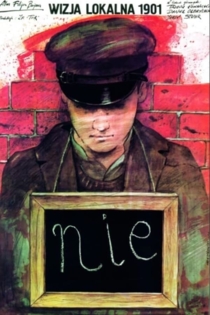
Wizja lokalna 1901
Filip Bajon
Tadeusz Łomnicki, Daniel Olbrychski
More documentary in its approach than dramatized history, this is a compelling story about a 1901 children's strike in Wrzesnia near the Polish border with Prussia. Poland was partitioned at this time, and a rigidly patriotic Prussian teacher in Wrzesnia follows the dictates of the Germans in parliament and insists that the children be taught their religion classes in German. When the children refuse to take part in the classes, they are supported by the local priest, but that does not save them from being beaten. They are also kept after school and tormented in other ways as well. Newspapers, parents, and the nation as a whole get involved, transforming a simple children's strike into a national incident.
Wizja lokalna 1901
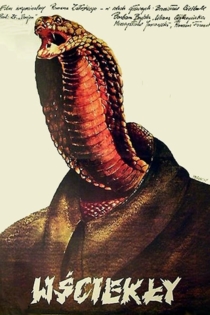
Wściekły
Roman Załuski
Bronisław Cieślak, Ewa Kania
Detective thriller about a killer loose in the crowds. The film follows a sniper on his rounds looking for victims, while a police inspector, with few clues in hand, has to figure out the motive for the killings as well as who the psychopath is and where he might strike next. He uncovers that the mentally deranged sniper can't stand seeing people happy together in public places.
Wściekły
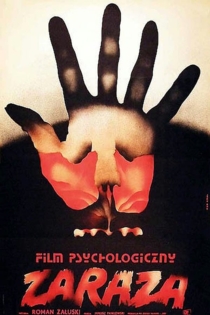
Zaraza
Roman Załuski
Tadeusz Borowski, Janusz Bukowski
Based on a true outbreak of smallpox in Wroclaw. A young doctor picks up a girl and they go to bed, but the night is ruined by the doctor being called to the epidemic. The doctor has to leave, and when it is all over, runs into her with another man.
The Epidemic