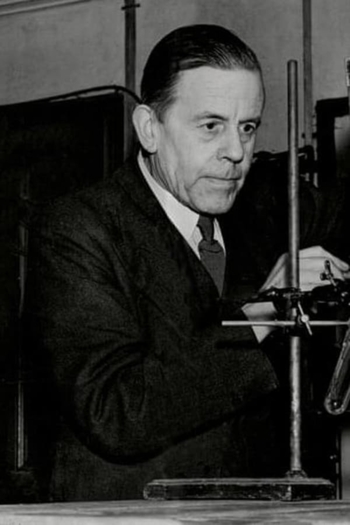
F. Percy Smith
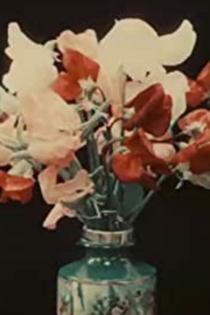
2021The Birth of a Flower. An early example of stop-motion photography, the film was hugely popular. Meticulously researching his subjects, Percy devised ingenious ways to film slow-growing plant life - modifying his equipment with gramophone needles, candle wicks and other assorted objects, allowing him to continue filming plant movement even as he slept. In 1911 his study,
The Strength and Agility of Insects sparked a huge press debate - detailing a range of insects as they lift tiny dumbbells, twirl matchsticks and juggle objects much heavier than themselves he had to dispel rumours of trickery and cruelty by revealing his innovative filming techniques. Percy went on to serve as a naval photographer during the War and, upon his return, began work for British Instructional Films (BIF). Contributing to the company's widely acclaimed
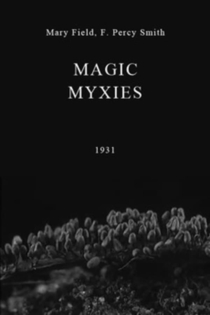
Secrets of Nature series he worked on numerous films, including An Aquarium in a Wineglass (1926), The Home Wrecker (1929) and Magic Myxies (1931). He continued to work on the project in the 1930s when it became known as Secrets of Life and in 1939 published Secrets of Nature, a review of the filming techniques used throughout the series. (via wildfilmhistory.org)
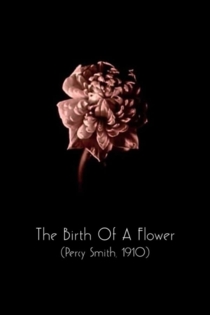
The Birth of a Flower
F. Percy Smith
"Percy Smith (1880-1944) was world famous as a photographer of plant life. Probably the first British example of time-lapse photography as applied to the growth of plants." Monthly Film Bulletin, November 1955.
The Birth of a Flower
The Acrobatic Fly
F. Percy Smith
Propped upon the tail-end of a match, a housefly performs astonishing feats, alternately juggling a series of objects - a blade of grass, a cork, a miniature dumbbell… Most extraordinary of all is the sequence in which the fly spins a ball twice its own size, while a second fly perches on top. In the final sequence, the fly repeats some of its earlier tricks while apparently seated on a tiny chair.
The Acrobatic Fly

Urban Science: To Demonstrate How Spiders Fly
F. Percy Smith
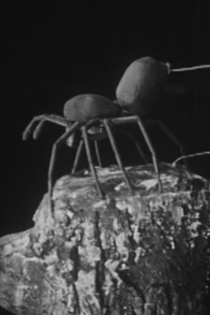
This charming short film is surprisingly technically advanced for its time, using a mechanical spider to demonstrate how the creatures spin the threads to create their webs. Suddenly the spider lifts up all of its legs, allowing itself to be dragged through the air, an effect that is both amusing and disarming, before gracefully descending through a series of mid-air acrobatics. Percy Smith believed he could cure people of their arachnophobia with his short films showing enlarged replicas of spiders, and certainly most viewers would be more delighted than scared by the mechanical star of this short. The final image of a real spider scrabbling around its web might be less endearing, however.
Urban Science: To Demonstrate How Spiders Fly
Fight for the Dardanelles
F. Percy Smith
The film uses stop-frame animation to create maps on the screen, and showed the then-current military situation in the Dardanelles, using various maps to assist understanding. Small cardboard cut-outs show the deployment of men and ships. Intertitles explain tactics, and shelling explosions are illustrated by clouds of cotton wool.
Fight for the Dardanelles
Nature's Handiwork
F. Percy Smith
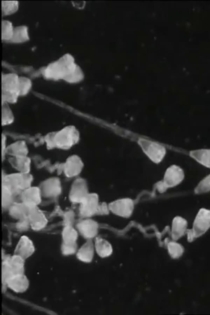
Nature’s Handiwork presents the marvelous and critical stages of transformation of caterpillars, moths and butterflies. Through microscopic techniques, this silent film captures hidden nature's secrets in action and composes an alien and strange looking world.
Nature's Handiwork