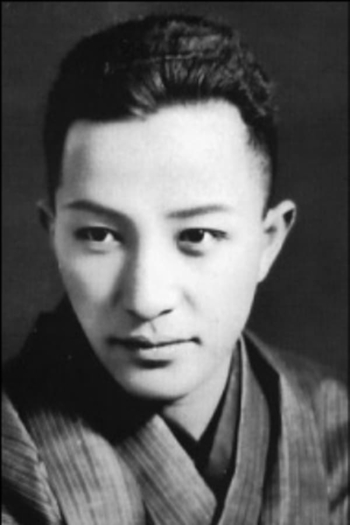
Tsumasaburō Bandō
1901 - 1953
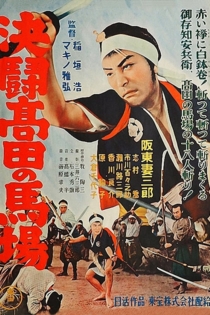
血煙高田の馬場
Masahiro Makino, Hiroshi Inagaki
Tsumasaburō Bandō, Takashi Shimura
The tale of Nakayama Yasubei’s duel is famous, even if he in reality probably did not cut down 18 opponents. The story has been related in film, rakugo, kodan and on stage many times, in part because Nakayama later joined the famous 47 Ronin (Chushingura) as Horibe Yasubei. But Makino and Inagaki’s version gives no hint of this more serious future, playing up the thrills and the comedy with Bando’s bravura performance. The multiple pans of Yasubei running to the duel are an exemplar of the experimental flourishes of 1930s Japanese cinema and the final duel, performed virtually like a dance number, is a marker of Makino’s love of rhythm and one of the best sword fights in Japanese film history. The film was originally released under the title Chikemuri Takadanoba (Bloody Takadanobaba) with a length of 57 minutes, but suffered some cuts and a title change when it was re-released in 1952.
Blood Spilled at Takadanobaba
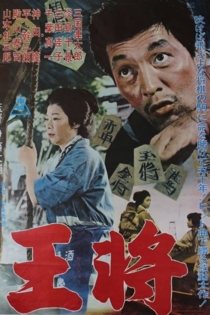
王将
Daisuke Itō
Tsumasaburō Bandō, Isamu Kosugi
Shogi, a Japanese form of chess, is a game that requires skill and determination. When poor sandal-maker Sakata decides to pursue his dream of becoming the Shogi Grand Master Champion, everything is at stake – including his family. What will it cost for Sakata to follow his passion?
The Grand Master
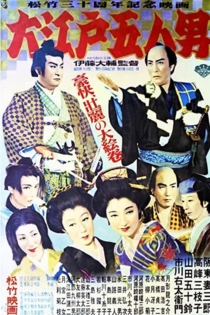
大江戸五人男
Daisuke Itō
Tsumasaburō Bandō, Utaemon Ichikawa
During the 17th Century roving bands of hatamoto were causing trouble in the new capital city of Edo and constantly fought with the townspeople at every turn. The leader of these ruthless samruai was Mizuno Jirozaemon, who despite his high rank was in deep financial distress, thus leading to a tragedy that shook the very streets of the city.Opposing him was Banzui-in Chobei, the ‘Protector of the Weak’ who was willing to put his life on the line to save the 808 districts of Edo from the 80,000 hatamoto whose violent behavior threatened to destroy the fabric of society. Starring Bando Tsumasaburo, the first great star of the silver screen along with mega-star Ichikawa Utaemon, this is a story not to be missed. Torn from the pages of history, this true story has been told many times, but never as powerfully as this!
Five Men of Edo
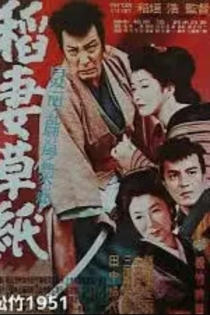
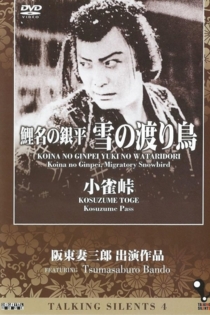
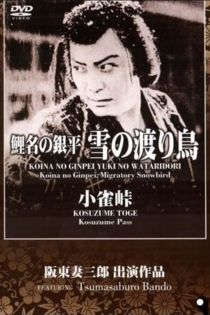
鯉名の銀平 雪の渡り鳥
Tomikazu Miyata
Tsumasaburō Bandō, Naminosuke Horikawa
Based on the original story of a wandering gambler written by the popular author Shin Hasegawa. This is the first film adaptation of his story, which later inspired many filmmakers to create further adaptations of his work. The first half of the movie depicts a man's jealousy of his best friend and the woman he loves. The second part depicts a hero who is ready to put the past behind him and risk his life for his friend.
Koina no Ginpei, Migratory Snowbird
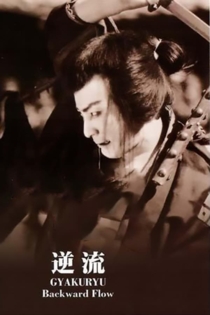
Gyakuryû
Buntaro Futagawa
Kanzaburo Arashi, Tsumasaburō Bandō
Nanjo Mikisaburo is a young samurai trying to restore his ruined family to its past glory. Enduring the contempt and disdain of high-ranking samurai, Mikisaburo devotes himself to the way of the warrior, mastering the literary and martial arts. His master Kurahashi Jupeita's daughter Misao feels for Mikisahuro who maintains his pride in the face of the arrogant samurai's scorn.
Backward Flow
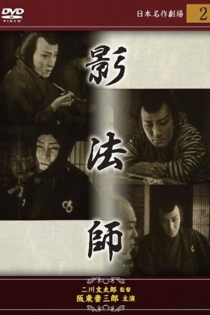
Kosuzume tôge
Kôroku Numata
Tsumasaburō Bandō, Tamatarô Ichikawa
Tokutaro is an orphan child who becomes a street candy vendor. He sells candies, humming a song he learned long ago from his mother. One day he met with thieves along the way and this encounter changes their lives in ways they cannot imagine.
Kosuzume Pass