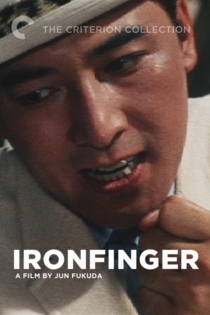
Kōji Iwamoto
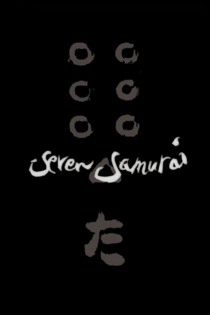
1932 (94 года)七人の侍
Akira Kurosawa
Toshirō Mifune, Takashi Shimura
A samurai answers a village's request for protection after he falls on hard times. The town needs protection from bandits, so the samurai gathers six others to help him teach the people how to defend themselves, and the villagers provide the soldiers with food.
Seven Samurai
The Lost Alibi
Hiromichi Horikawa
Keiju Kobayashi, Chisako Hara
Suspense drama about a married salaryman whose affair with one of his co-workers is compromised when, returning from a clandestine meeting with his lover, he runs into a neighbor who is later accused of murder. Questioned by police about the neighbor, and blackmailed by his lover's neighbor, the salaryman's lies lead him on a path to destruction.
The Lost Alibi

47 Ronin
Hiroshi Inagaki
Toshirō Mifune, Takashi Shimura
The story tells of a group of samurai who were left leaderless (becoming ronin) after their daimyo (feudal lord) was forced to commit seppuku (ritual suicide) for assaulting a court official named Kira Yoshinaka, whose title was Kōzuke no suke. The ronin avenged their master's honor after patiently waiting and planning for over a year to kill Kira. In turn, the ronin were themselves forced to commit seppuku for committing the crime of murder.
47 Ronin
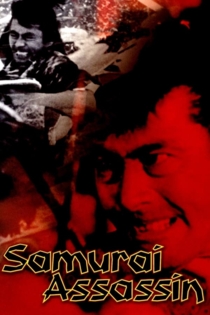
Samurai Assassin
Kihachi Okamoto
Toshirō Mifune, Keiju Kobayashi
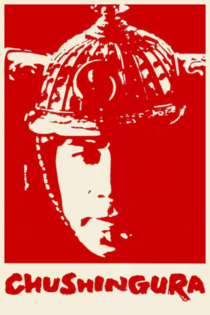
Japan, 1860. The men of the Mito clan, victims of the Ansei purge, anxiously prowl around the Sakurada Gate of Edo Castle with the intention of assassinating Naosuke Ii of Hikone, tairō of the Tokugawa shogunate and responsible for their misfortune.
Samurai Assassin
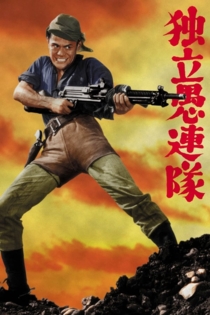
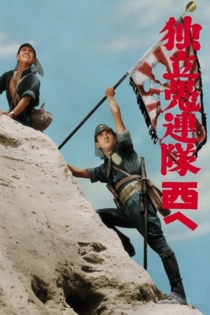
Operation Sewer Rats
Kihachi Okamoto
Yûzô Kayama, Makoto Satō
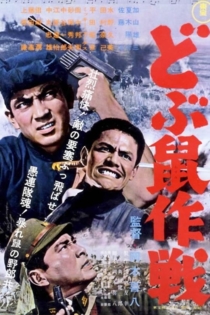
Во время Второй мировой войны японская армия терпит большой урон из-за китайских партизан. Рядовой Хаяси едет на новое место службы и по пути знакомится с Бякко — хитрым японским военным, возглавляющим отряд китайцев, перешедших на сторону Японии. Главный соперник Бякко — предводитель китайского партизанского движения Мусо. Помимо Хаяси на линию фронта приезжает сын японского генерала, молодой и неопытный офицер Сэки, который во время первого же задания попадает в плен. Бякко получает приказ — отыскать юношу и доставить его в штаб... Сюжет фильма «Операция "Крыса"» основан на реальных событиях.
Operation Sewer Rats
The Battle of Okinawa
Kihachi Okamoto
Keiju Kobayashi, Yûzô Kayama
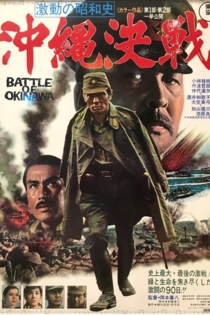
The Americans are swiftly closing on Okinawa, an island just south of the Japanese mainland. The Imperial command sends top generals and several army divisions to defend it at all costs. The mission quickly degenerates as vital resources and troops are diverted to other islands. After a civilian evacuation ends in tragedy most of non-combatants are forced to remain on the island. Many convert to soldier status. Tokyo sends mixed messages that squander time and resources, as when they order the defenders to build an airstrip for aircraft that never come. The truth soon becomes obvious: the high command decides that the island cannot be held and effectively abandons the Okinawan defenders. When the Americans land many troops are deployed in the wrong places. As the slaughter mounts, a suicidal attitude takes hold. Okinawa becomes a death trap, for civilian volunteers and non-combatants as well.
The Battle of Okinawa
モスラ
Ishirō Honda
Frankie Sakai, Hiroshi Koizumi
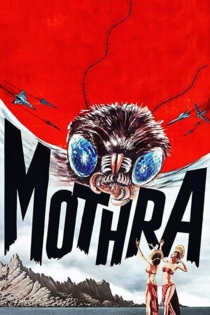
Shipwreck survivors found on the presumably uninhabited Infant Island leads to a scientific expedition that discovers a surviving native population along with the Shobijin, tiny twin fairy priestesses of the island's mythical deity called Mothra. After the fairies are kidnapped by an exploitative businessman named Clark Nelson, Mothra sets out to rescue them.
Mothra
国定忠治
Senkichi Taniguchi
Toshirō Mifune, Tetsurō Tamba
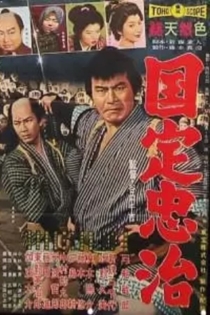
Chuji Kunisada returns to his home village to find that Jubei Matsui, the corrupt magistrate, has been responsible for virtually destroying Kunisada's family. A final tragedy leads Kunisada to join with a band of rogues living in the forest in robbing from the rich and giving to the poor, always with an eye toward avenging himself on Magistrate Matsui.
The Gambling Samurai
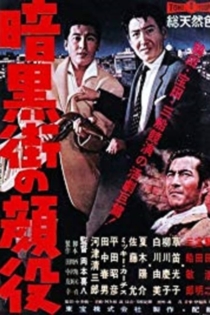
暗黒街の顔役
Kihachi Okamoto
Koji Tsuruta, Seizaburō Kawazu
Ryuta and Mineo Komatsu are brothers, both yakuza (gangsters). Mineo, although complicit in crime, even murder, wants out of the gangster life, hoping to become a successful singer instead. Ryuta loves his brother, but Mineo's possible defection presents problems for the gang, and Ryuta realizes he must kill his brother if he wants to survive.
The Big Boss
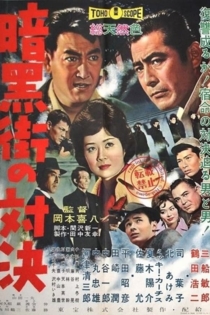
暗黒街の対決
Kihachi Okamoto
Toshirō Mifune, Koji Tsuruta
Japanese police detective Saburo Fujioka is suspected of corruption, demoted, and sent to the city of Kojin. Kojin is the scene of fierce fighting between rival gangs. Fujioka is assigned to investigate the death of the wife of gangster Tetsuo Maruyama of the Kozuka gang, probably at the hands of one of the Oka gang. During a gang gunfight, Maruyama is rescued by Detective Fujioka and the two become friends. But Maruyama insists on avenging his wife's murder, even if it means conflict with his new friend.
The Last Gunfight
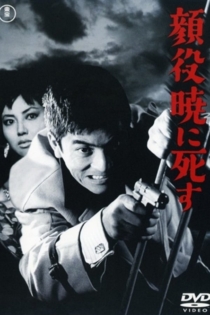
顔役暁に死す
Kihachi Okamoto
Yûzô Kayama, Kumi Mizuno
An early Okamoto yakuza film, though it's not in the Underworld series (along with The Last Gunfight and The Big Boss) despite being alternatively known as "Death of the Boss." While Okamoto did not write this film and took on the project because he was assigned and "just doing [his] job" according to an interview with Chris Desjardins in Outlaw Masters of Japanese Film, he did express a general excitement about working in action cinema (which shows through in this film's energy.)
Big Shots Die at Dawn