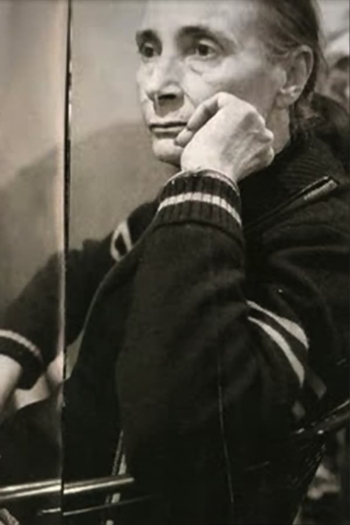
Margarida Cordeiro
2021Description above from the Wikipedia article Margarida Cordeiro, licensed under CC-BY-SA, full list of contributors on Wikipedia.
Ana
Margarida Cordeiro, António Reis
Ana Maria Martins Guerra, Octávio Lixa Filgueiras
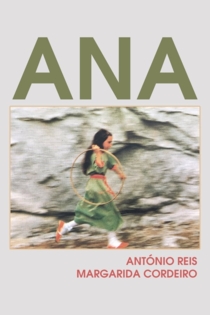
Ana is a young Portuguese girl who lives with her grandmother. Through their relationship, we are witness to the Cycle of Life: Grandmother takes care of granddaughter until granddaughter is obliged to do same for grandmother. The scenes between the two protagonists are counterpointed with impressionistic camera compositions based upon famous religious paintings.
Ana
Trás-os-Montes
Margarida Cordeiro, António Reis
Albino S. Pedro, Carlos Margarido
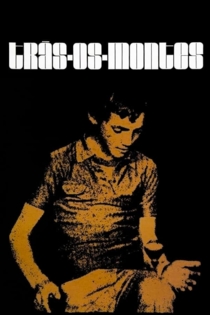
Reis and Cordeiro’s undisputable masterpiece exploded the meaning and possibilities of ethnographic cinema with its lyrical exploration of the still resonant myths and legends embodied in the people and landscapes of Portugal’s remote Trás-os-Montes region.
Trás-os-Montes
Rosa de Areia
Margarida Cordeiro, António Reis
Francisco Nascimento
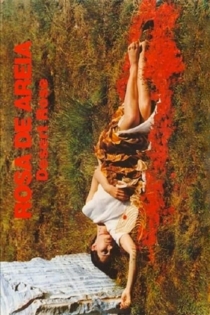
Marking a stylistically and philosophically turn away from the earlier features, The Sand Rose is Reis and Cordeiro’s most abstract, conceptual and literary work. The film’s collage structure gathers texts from multiple sources – including Kafka and Montaigne – and crafts a world of theatrical artifice far from the documentary inspired naturalism of Ana and Trás-os-Montes. Reis and Cordeiro’s least known film has lingered in obscurity and never recovered from the unfairly negative reviews that resulted in its severely limited release. Reis died less than two years later, just as he and Cordeiro were about to begin an ambitious adaptation of Juan Rulfo’s Pedro Parámo. - Harvard Film Archive
Rosa de Areia