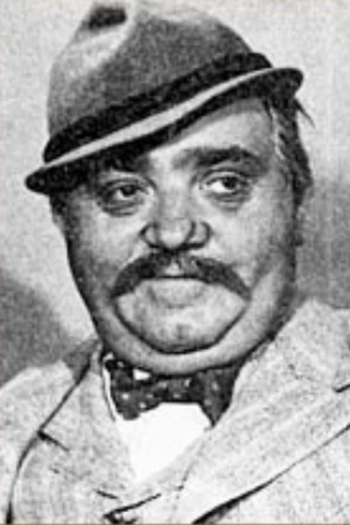
Sándor Tompa
1903 - 1969
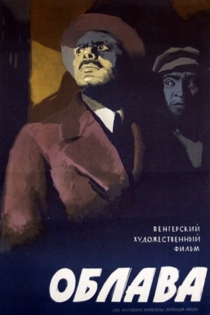
Razzia
László Nádasy
Ádám Szirtes, János Görbe
1932, Budapest. Gere János, an unemployed worker searching for employment in the capital, is organised into the secret police after a raid. Summary justice is declared, and the police wants to find an illegal communist press at any price. Gere, wandering about in the dark city, joins a man, helping him to carry his luggage. Slowly, Gere learns that his companion is a Communist and his task is to keep the press machine hidden from the police.
Raid
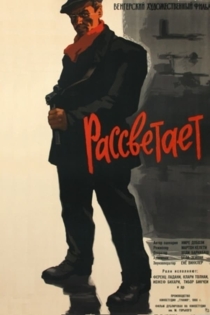
Tüzkeresztség
Frigyes Bán
Sándor Deák, Éva Kelemen
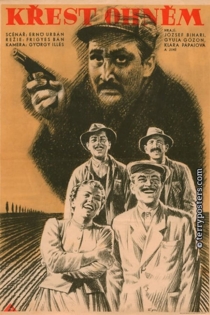
В этом пропагандистском фильме первых лет социалистических преобразований в Венгрии рассказывается о кулацком саботаже в производственных кооперативах. Зажиточный крестьянин Игнац Хато, один из лучших фермеров в деревне, вступает в кооператив «Два октября», и вскоре все мелкие крестьяне следуют за ним. Сельские богачи, возглавляемые Лили Сохар, наблюдая за большим расширением кооператива, пытаются рассорить кооператоров друг с другом. Попытка Сохары даёт свои плоды, и Хато покидает кооператив. Далее Лили Сохар пытается убедить Игнаца Хато в том, что она планирует создать конкурирующую команду новых богачей и призывает его примкнуть к ней. Игнац отказывается и не поддаётся шантажу. Любовник Лили, бывший жандарм, стреляет в партийного секретаря Божине. У послели раненого Божине, Игнац признаёт свою ошибку и просит принять его вновь в кооператив. Шандор, председатель кооператива, понимает, что коллектив не должен препятствовать вступлению тем, кто хочет честно работать.
Tüzkeresztség
I'll Appeal to the Minister
Frigyes Bán
László Bánhidi, Antal Páger
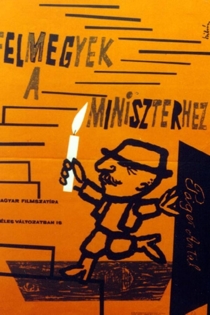
A comedy about the organisation of agricultural co-operatives. In the village of "Rendes", everybody has already entered the co-op, only the stubborn farmer, Bódog Balogh continues to resist. The leadership plays all their tricks and uses all their efforts, but all in vain.
I'll Appeal to the Minister
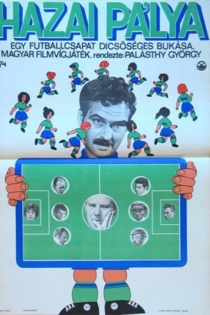
Próbaút
Félix Máriássy
Imre Sinkovits, Marianne Krencsey
Vetró János, the lorry driver, is an alcoholic. His marriage is in pieces, his wife has a lover. Their son suffers an accident. The next day his wife moves out. In his desperation, Vetró drinks even more, and leaves his work as well.
Test Trip
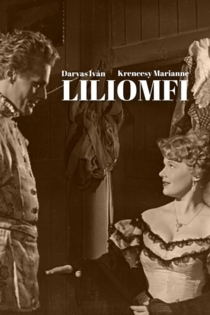
Liliomfi
Károly Makk
Darvas Iván, Marianne Krencsey
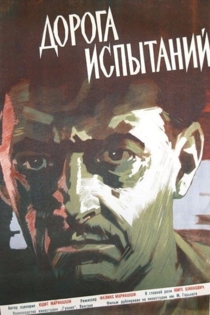
Liliomfi is a 1954 Hungarian comedy film directed by Károly Makk. It was entered into the 1955 Cannes Film Festival. Set in the "Golden Era" of the wandering Hungarian theatre troupes. Mariska and Liliomfi fall in love without suspecting that Mariska's foster father, Professor Szilvay, is also Liliomfi's uncle. Soon the couple must contend with the professor's plan to make Liliomfi give up his "unrespectable" profession of acting by exposing the professor's hypocrisy, greed, and tyrannical selfishness.
Lily Boy
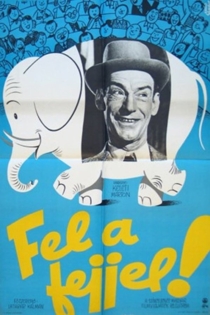
Fel a fejjel
Márton Keleti
Kálmán Latabár, Gyula Benkő
On the Spring of 1945 the Jackson circus is heading towards the border with the clown Peti and Aida, the elephant. They have to play for the Hungarian Fascists, while Peti is hiding the Jew Annuska and Sanyika.
Keep Your Chin Up!
Pacsirta
László Ranódy
Antal Páger, Klári Tolnay
Based on a novel by Dezso Kosztolani, this Hungarian drama is set at the turn of the 20th century. A young, homely woman lives at home with her mother and retired father. Because of all the care the girl provides for her parents, the couple becomes detached from the world outside their home. When the girl leaves for a short visit to her uncle's home, the parents realize the extent of their separation from society and their selfish feelings toward their own daughter.
Skylark

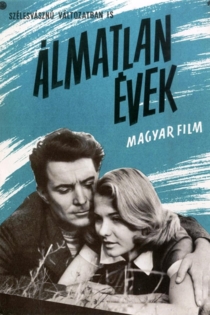
Álmatlan évek
Félix Máriássy
Éva Ruttkai, Géza Tordy
The "sleepless years" in this propaganda piece by director Felix Marlassy occur on Csepel Island, an island south of Budapest that is home to an armaments factory. The factory workers are shown being exploited by imperialists, capitalists gone berserk, and fascists, more or less in that exact chronological sequence. The heavy-handed approach does much to undercut the belief that when socialism finally takes over, the lives of the workers are brought up to a human level. In this instance, audiences might prefer a more nuanced and subtle statement, no matter what the message.
Sleepless Years
Dani
Mihály Szemes
Klári Tolnay, Margit Bara
Dani, the few-month-old little boy born outside marriage is left by Eszter in the lap of her companion on the train. The widowed Aranka takes him willingly to her. The child is already ten years old and has a good life with Aranka. Then Géza enters their life and he does not welcome the child of someone else.
Dani