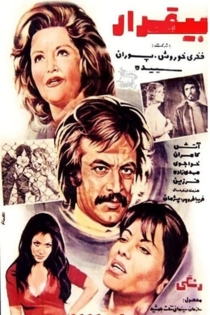
Fakhri Khorvash
1930 (95 лет)
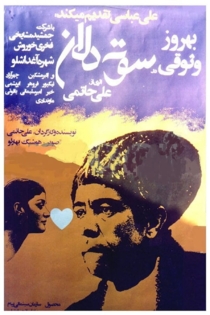
سوته دلان
Ali Hatami
Behrouz Vossoughi, Jamshid Mashayekhi
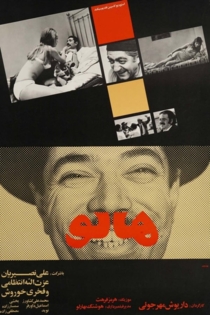
Desiderium lyrically charts the hapless loves of a three brother: Majid, they young handicapped brother with a deformed head falls in love with Aghdas, a prostitute hired by his eldest brother Habib to entertain him, not knowing the truth about her profession. Karim, the middle brother is so infatuated with a quail that he almost completely ignores his wife and her emotions. Habib himself is in love with Foroogh, a tailor lady who lives with them, while his sense of responsibility about Majid keeps him from requiting her affections.
Desiderium
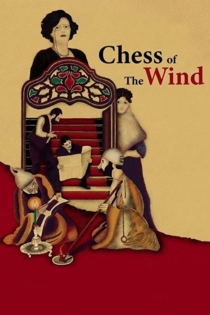
شازده احتجاب
Bahman Farmanara
Jamshid Mashayekhi, Fakhri Khorvash
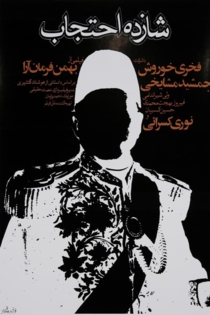
Prince Ehtejab, one of the last remaining heirs of the Qajar royal family, is suffering from tuberculosis, which he knows is fatal. He spends his last days alone in the magnificent rooms of his wintry palace, from where he recollects the glory days of his ancestors as well as days of degradation. Among the latter are the gruesome manner in which his cruel grandfather murdered his mother and brother, and the way that he himself caused the death of his wife.
Prince Ehtejab
Razor's Edge: The Legacy of Iranian Actresses
Bahman Maghsoudlou
Shohreh Aghdashloo, Katayun Amir Ebrahimi
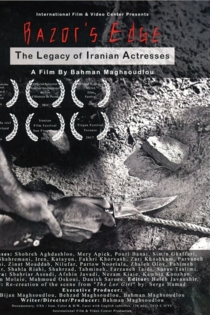
An examination of the work and lives of actresses in the Iranian film industry prior to the 1979 revolution, featuring myriad interviews and rare film clips.
Razor's Edge: The Legacy of Iranian Actresses
پنجمین سوار سرنوشت
Saeed Motalebi
Iraj Ghaderi, Fakhri Khorvash
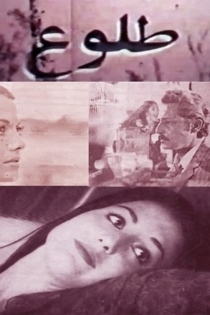
Directed in 1980 and released in 2013. On the issue of addiction in Iran in the 1980s. Mohsen's father is going to pass away soon due to an illness, however, Mohsen himself has been missing for 6 months. A BSc medicine student, he has become a drug addict and lost himself in the slums. Setting out to help him out of his conditions, and deliver his mother's care to him, his father starts searching for him. The movie is embedded in the social conditions of the 70s AD Iran, has a 70s Iranian chivalric tincture, religious color-as was the climate of the Iranian society at the time- and is blended with historic state propaganda. For the audience of that time, this movie would have received a fair score, as it touches on religious notions. However, the issue it addresses is far more complicated and sophisticated at this age, and its propaganda outlook can no longer attract significant commercial or critical attention.
The Fifth Horseman of the Apocalypse