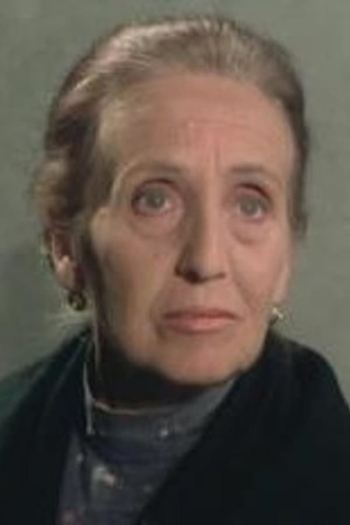
Lola Lemos
1913 - 2009
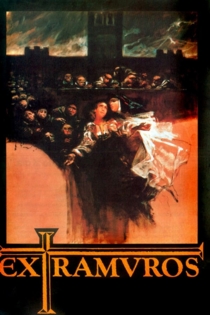
Extramuros
Miguel Picazo
Carmen Maura, Mercedes Sampietro
This 1985 Spanish film reveals one of the many terrible aspects of 16th century Spain, still plagued by the radical Christian Inquisition, one of a plethora of difficulties Spaniards faced at the time. Spanish super star Carmen Maura plays a nun who agrees to a selfless scam, a fake stigmata, only to avoid separation from her lover, another nun. It's a serious and passionate work, highlighting the theme of outspoken women-against-repression, seen in other good gay and lesbian films. This is not a lesbian "Nun sense" or another "Dark Habits" (by Almodovar, which also starred Carmen Maura, and also set in a Spanish convent, with some lesbian nuns). Perhaps, best of all, 'Extramuros' is realistic and frank. It isn't shy about its characters' sexuality. Their sexuality, and the film as a whole are genuine.
Beyond the Walls
Akelarre
Pedro Olea
Sílvia Munt, José Luis López Vázquez
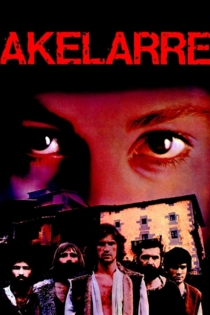
A small village in Navarre, Spain, XVII century. Garazi's grandmother is burned at the stake when accussed of being a witch and convicted by an inquisitor, something that brings Garazi under suspicion and eventually into prison, where she is atrociously tortured and humiliated.
Akelarre
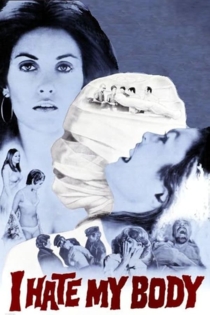
Odio mi cuerpo
León Klimovsky
Alexandra Bastedo, Narciso Ibáñez Menta
The brain of a male engineer is transplanted into a female’s body. He soon finds it very frustrating to cope with the daily sexist discrimination most women deal with. For example, he is surprised when no one will hire a female engineer. When he is faced with dealing with female sexuality, he quickly begins exhibiting lesbian tendencies.
I Hate My Body
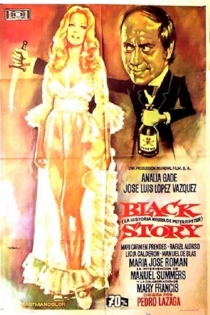
Black story (La historia negra de Peter P. Peter)
Pedro Lazaga
Analía Gadé, José Luis López Vázquez
Peter is a widower who writes crime novels, signing as Peter P. Peter, and is about to marry Beatriz (Analia Gade), a widow who proves to be a ruthless woman who makes his life miserable. As an expert in inventing crimes committed by his characters, he imagines a plan to get rid of his new wife. The trouble is that she also plans to kill him.
Black Story
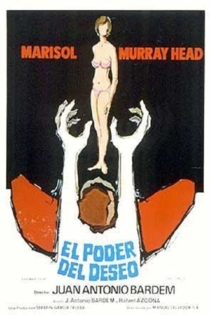
El poder del deseo
Juan Antonio Bardem
Marisol, Murray Head
Javier lives with his mother in a modest apartment. He conducts surveys on the effectiveness of ads. This work provides a humble earning for the two of them. One day he meets Juna at a bus stop. He tries to ask her out, but she refuses. A few days later, they meet again. Slowly a relationship develops, but her plan is to marry someone rich. Javier's wealthy uncle included him in his testament, so Juna talks Javier into killing the uncle.
El poder del deseo
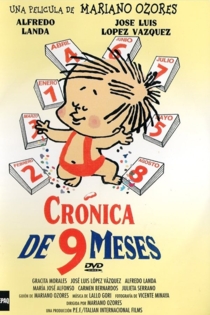
Crónica de nueve meses
Mariano Ozores
Gracita Morales, José Luis López Vázquez
Several stories about marriages that receive the news that they will be parents. Alejandro and Mercedes are newly married and receive the news with enthusiasm; Margarita and Enrique have been married for a while, but it will also be their first offspring; Ines and Luis have been in this situation several times, but this is the first time that the pregnancy is real. The reaction of the parents, the cravings of the pregnant women, the name search for the child, everything is always the same and always different. None of the couples resembles the others, but when the moment of delivery arrives, the nerves will be the same.
Crónica de nueve meses
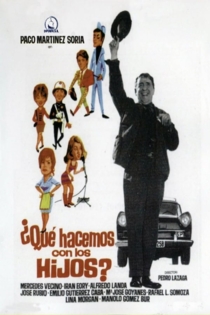
¿Qué hacemos con los hijos?
Pedro Lazaga
Paco Martínez Soria, Mercedes Vecino
The driver Antonio, boasts of his sons: John, who shares his work as a taxi driver, Luisa, ladies hairdresser, Antonito, studying to be a lawyer, and Paloma, to be a housewife. But Antonio does not know that their children are not exactly as he thinks. The day Antonio finds out, confronts his wife and children and suffers a big disappointment. Since then no one in the family speaks to Antonio, and he believes that it is best to let them see for themselves that they made a mistake, but this does not result, since each will see their problems increased.
¿Qué hacemos con los hijos?