István Gaál
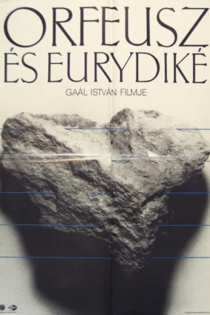
1933 - 2007Orfeusz és Eurydiké
István Gaál
Sándor Téri, Lajos Miller
The opera-film, as opposed to Gluck's Vienna version, is a recollection of the ancient tragic Greek myth. Orpheus, who is able to defeat Hades with the power of art, is unable to conquer his own human defects. Amor is sympathetic to Orpheus' sufferings as he mourns his dead beloved, and lets him know the message sent by the Gods, namely that he may take her home from the underworld if he is capable of not looking at her.
Orpheus and Eurydice
Tisza-őszi vázlatok
István Gaál
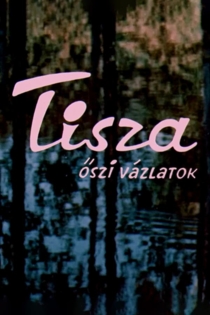
The first signs of autumn are seen in a landscape along a river. Some villagers are stacking a bed of stone blocks on the river-bank to avoid more eroding. Others are occupied by ploughing, fishing or repairing. A small steamboat passes by. In the engine room a stoker is shovelling coal into the oven. Further down the river a small town is passed by the water. A rowing-team is training for coming races. Some biologists are looking at microbes from the water through a microscope. A group of workers are painting a new barge and push it into the river. When a small boy sees a racing boat, he leaves his sand-castle and runs along the river.
Tisza: Autumn Sketches
Pályamunkások
István Gaál
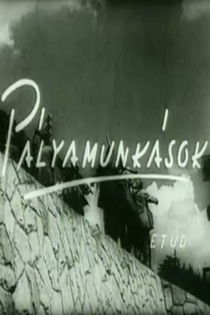
A group of plate-layers are packing the stone-bed under the rail with their pickaxes. They swing their picks in a coordinated, rhythmic way, thereby creating a sequence of rings, when they hit the stones or the rail, which sounds almost as music. When a train passes by, they stand silent beside the rail for a while, and then start the rhythmic beats again.
The Platelayer
Holt vidék
István Gaál
Mari Törőcsik, István Ferenczi
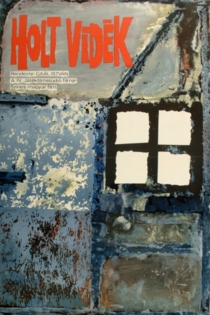
This Hungarian film chronicles the slow deterioration in the life of Juli, a farmer's wife. As the countryside grows ever more deserted because people are moving to towns or large collective farms, she spends more and more time alone. Despite her best efforts to appreciate her situation, her despair grows. The loneliness is briefly interrupted when she and her husband take in an old woman and care for her, but the woman dies. Shortly after her son visits, she is killed in an accident which may have been a suicide. ~ Clarke Fountain, Rovi
Dead Landscape
Magasiskola
István Gaál
Ivan Andonov, György Bánffy
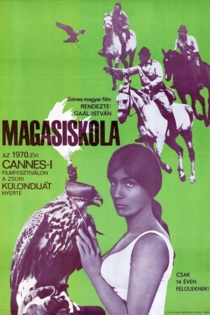
A young man with an interest in ornithology arrives to study the work of falcons and their human trainers. The head falconer is a cold and heartless man who obstinately demands perfection from everyone around him. His work is his life, and he doesn't care if his girlfriend makes love to other men. The young man observes all he can before leaving behind the potentially inhuman situation for brighter horizons.
The Falcons
Béla Bartók: The Music of the Night
István Gaál
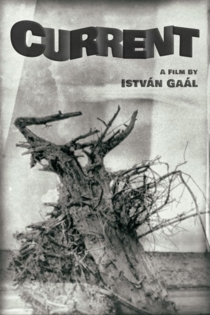
Hungarian filmmaker István Gaál was one of the key directors in Hungarian New Wave cinema. Originally Gaál studied to be an eclectrotechnician like his father, but then his growing interest in cinema led Gaál to study directing at Budapest's Academy of Dramatic and Cinematographic Arts. He graduated in 1959, and, after receiving an Italian State scholarship for his film Palyamunkasok/Surfacemen, Gaál studied at the Centro Sperimentale, Rome. He continued making short films while in Rome under the supervision of different directors. Gaál made his feature-film debut in 1964 with the critically acclaimed Sodrásban/Current.. Gaál died at age 74 in September 2007, about two years after his last credit
Béla Bartók: The Music of the Night
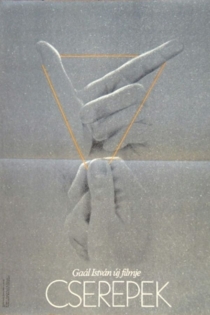
Cserepek
István Gaál
Zygmunt Malanowicz, Katalin Gyöngyössy
Andras (Zygmunt Malanowicz), an older man employed as a furniture designer, gets a life-jarring shock when he returns from a trip and finds that some of the work he developed has been given over to a younger employee. This instigates a mid-life crisis over his own identity and his sense of security and self-worth, all exacerbated by a recent divorce and estrangement from his son. Recognizing that he needs help, the man goes for therapy and starts to face his problems. Therapy counteracts some of the damage of living, and the man starts to consider his son, his relationships with women, and his father in a different light.
Potteries