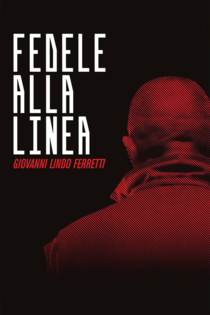
Giovanni Lindo Ferretti
1953 (72 года)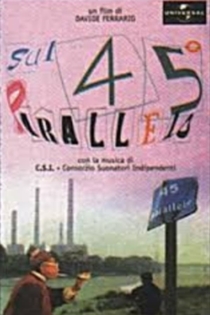
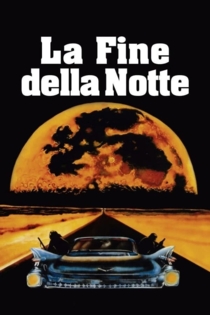

Tutti giù per terra
Davide Ferrario
Valerio Mastandrea, Carlo Monni
The vicissitudes of Walter – a dissatisfied and disenchanted 20-year-old on-and-off philosophy student without a job, a girlfriend or any real beliefs – who reluctantly returns to his native Turin to live with his irascible blue-collar father and his mother, almost mute due to a severe nervous breakdown.
Tutti giù per terra
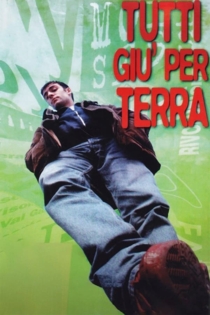
Paz!
Renato De Maria
Flavio Pistilli, Cristiano Callegaro
Inspired by the work of Italian underground comic book prodigy Andrea Pazienza, Paz! is a 24-hour slice of life of a bunch of students living in a flat in Bologna during the 70's, divided between marjuana, university, girls and political activism.
Paz!

Il vento, di sera
Andrea Adriatico
Corso Salani, Francesca Mazza
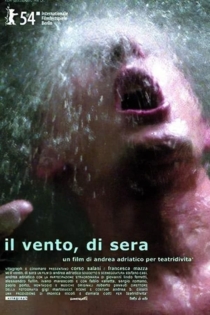
Nightfall. Marco, a politician, is murdered while he is going home. Also Luca, a gay man, is going home, where his partner Paolo is waiting. But he is on the killer's way, and he is shot. Paolo dashes to the hospital but the doctor doesn't want to tell him anything because Paolo isn't a "real" relative. Luca dies. Paolo starts walking in the streets of the town, where his loneliness will be ever misunderstood. A barman tries to comfort him supposing he was discharged by his girlfriend. Luca's mother orders Paolo to leave the house. A guy takes Paolo to him's, looking for a partner in the night. Paolo runs away from everybody, also from his friend Francesca: she says she is understanding but she can't. While the dawn is coming, Paolo reads about the murders on the newspapers, and realizes that what happened was reality.
The Wind in the Evening
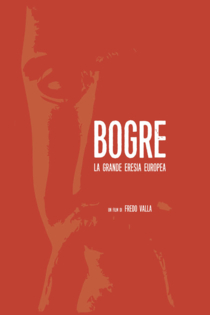
Bogre. La grande eresia europea
Fredo Valla
Fredo Valla, Giovanni Lindo Ferretti
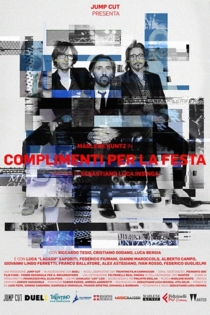
Bogre is a journey into time and space, on the trail of Cathars, Albigenses and Bogomils, medieval heretics who spread from Bulgaria to the European West. Why Bogre? Those who speak the Occitan language know that bogre (pronounced “bugre”) means Bulgarian, but over the centuries that word has acquired the meaning of foolish, the one who masks the truth. In the 12 th century, bogre became an insult directed towards the Occitan Cathars, who were equated to the Bulgarian Bogomils, from whom the Western Catharism derived. The followers of these heretical teachings called each other “good people” and “good christians” because they believed they were returning christianity to its original purity. Their ideas traveled the length and breadth of Europe, from the Balkans to the Pyrenees, from center-northern Italy to Bosnia.
Bogre. The Great European Heresy