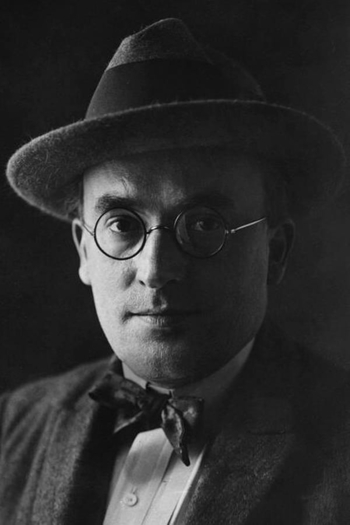
Bedřich Karen
1887 - 1964
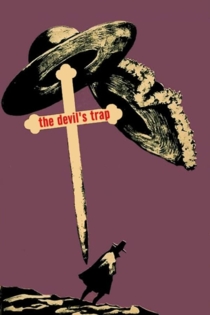
The Devil's Trap
František Vláčil
Vítězslav Vejražka, Miroslav Macháček
A small town is one day visited by a priest who is there on a secret mission. He is a member of the Inquisition sent to investigate the activities of a local miller. The miller and his son are the descendants of an old family whose ancestral home burned down a century ago, but was rebuilt from scratch. The miller inherited much of his knowledge about the land, water, and a building's stability from generations of family experience. His reputation for finding water and predicting when a structure might collapse have come to the attention of the Inquisition -surely he must be in league with the Devil.
The Devil's Trap
Dobrý voják Švejk
Karel Steklý
Rudolf Hrušínský, Eva Svobodová
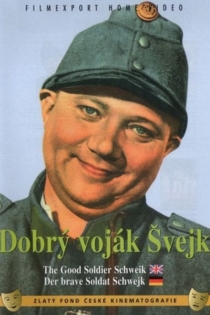
Good-natured and garrulous, Švejk becomes the Austrian army's most loyal Czech soldier when he is called up on the outbreak of World War I -- although his bumbling attempts to get to the front serve only to prevent him from reaching it. Playing cards and getting drunk, he uses all his cunning and genial subterfuge to deal with the police, clergy, and officers who chivy him toward battle.
The Good Soldier Švejk
Jan Hus
Otakar Vávra
Zdeněk Štěpánek, Karel Höger
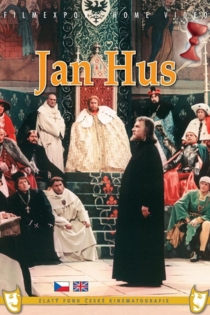
Jan Hus is a 1954 Czechoslovak film directed by Otakar Vávra. It is the first part of the "Hussite Revolutionary Trilogy", one of the most famous works of the Czechoslovak director, completed with Jan Žižka (1955) and Proti všem (Against All Odds, 1957).
Jan Hus
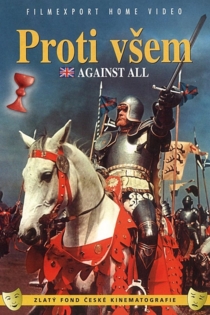
Proti všem
Otakar Vávra
Zdeněk Štěpánek, Gustav Hilmar
After the battle of Sudoměř the Hussite teaching spreads through the whole country and people start leaving their homes to help build the fortification of Tábor. Prague citizens request help against the army of Zikmund. The Hussite army with Jan Žižka in the lead make their way towards Prague. They fortify themselves on the mountain Vítkov and engage in a bloody battle with Zikmund’s huge army.
Against All
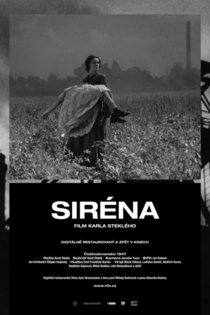
Siréna
Karel Steklý
Ladislav Boháč, Marie Vášová
In late 19th century Czech-speaking Bohemia, oppressed workers at German-owned mines and foundries revolt against their harsh working conditions. Made shortly after World War II as Czechoslovakia was falling to communism, the film resonates in Czech resentment of the German occupation.
The Strike