Emanuel Kovařík
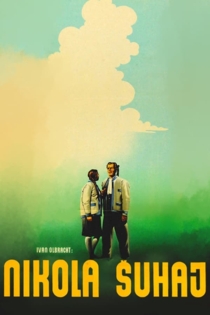
1907 - 1973Nikola Šuhaj
Miroslav J. Krňanský
Gustav Nezval, Ludmila Vostrčilová
At the end of the First World War, Nikola Shuhai and his friend from the army desert. On the way home, to the village of Kolochava, they both find refuge with baby Jaga. Jaga mixes them a drink to protect them from the deadly bullets. The bachelors must promise to marry her daughters in exchange for a drink, or they will be punished. Nikola finds his home village in poverty. He stands against the powerful and the rich, and they turn the gendarmes against him. Nikola hides from them in the woods, where he will remain even after the end of the war, because nothing has changed for the villagers. Out of poverty and hopelessness, other men join Nikola and together they raid the wealthy. Nikola distributes the obtained booty to the poor and needy, who see him as their protector and hero.
Nikola Shuhai
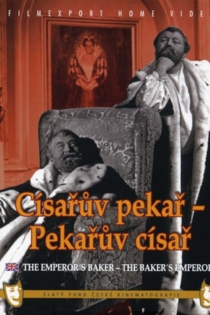
Císařův pekař – Pekařův císař
Martin Frič
Jan Werich, Marie Vášová
The Emperor's mismanagement of his country is provoking some in his court to plot to overthrow him. He feels successful, at least, when he discovers the legendary Golem, which he believes can protect him and even cure his imaginary illnesses but, when he disappears while on a bender, his kindly baker, who looks just like him, is mistaken for him, and begins to put things in order. However, the conspirators, not to be outdone, determine to bring the Golem back to life to do their bidding.
The Emperor and the Golem
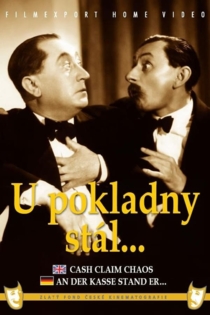
Přednosta stanice
Jan Sviták
Vlasta Burian, Antonín Zacpal
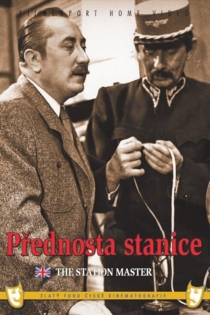
Vlasta Burian jako černý pasažér rozvrátí disciplinovaný chod jednoho nádraží. Pan Ťopka působí dojmem gentlemana trochu chaplinovského typu. Živí se příležitostnou prací, za níž jezdí výhradně jako černý pasažér vlakem. Při jedné jízdě se setká s obávaným generálním inspektorem drah Kokrhelem. Na jedné malé stanici se mu podaří vystoupit a převléknout se do uniformy přednosty stanice. Setkání s inspektorem Kokrhelem se však nevyhne... (oficiální text distributora)
Station Master
The White Lady
Zdeněk Podskalský
Vlastimil Brodský, Rudolf Hrušínský
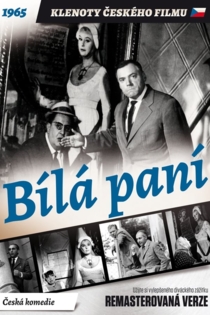
This castle has its own ghost - a mysterious White lady. She emerges from the painting on the wall when someone speaks out magic formula. White lady is good ghost, she can make someone's wishes true. Even if it is a new duct. But a miracle is not the thing that Communist leaders want in the town.
The White Lady
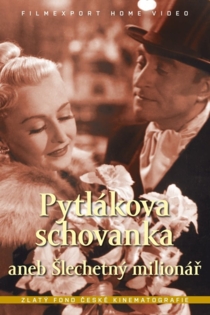
Poslušně hlásím
Karel Steklý
Rudolf Hrušínský, Svatopluk Beneš
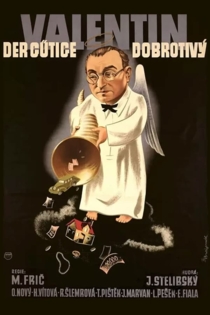
A comedy based on the novel of Jaroslav Hašek's The Good Soldier Svejk happens during the World War I. I Dutifully Report: In the introduction to the second part of the film adaptation of Hašek's novel The Good Soldier Švějk presents his main character Josef Švejk. With the distinctive traditional Czech cartoon character of a soldier Svejk, this time you meet on the way to the front and eventually right in the firing line. You can look at his famous train events, and also probably the most famous episode of the novel, Švejk's Budějovice anabasis. Don't miss the scene with the secretly bought cognac, the episode with Svejk as a fake Russian prisoner of war, including the court scene, and the scene in which lieutenant Dub is caught in a brothel. Despite the criticism, Steklý's adaptation is undoubtedly the most famous and memorable at present.
I Dutifully Report
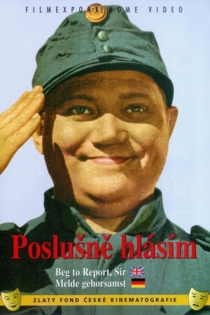
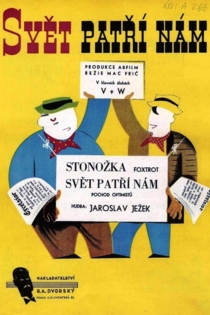
Kdyby tisíc klarinetů
Ján Roháč, Vladimír Svitáček
Jana Brejchová, Waldemar Matuška
A military base. An awkward soldier. A statue of Bach. And suddenly all guns in the area change into music instruments. Great mystery is immediately found by TV station. And soon the military base becomes a stage for huge TV show.
If a Thousand Clarinets
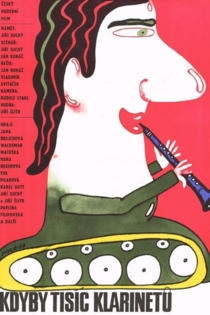
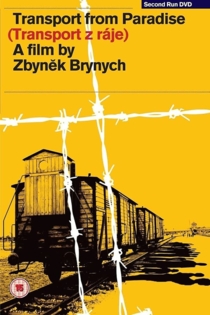
Transport z ráje
Zbyněk Brynych
Zdeněk Štěpánek, Ilja Prachař
Czechoslovakian Zbynek Brynych directs this psychological drama set in World War II Terezin ghetto. A dark, visual portrayal of the trials and tribulations the Theresienstadt people faced on a daily basis presented in a series of memorable stories. Their hopes and dreams unfold against the perpetual threat of deportation (or worse) by the Nazis. Based on the novel "Night and Hope" by Arnost Lustig.
Transport from Paradise