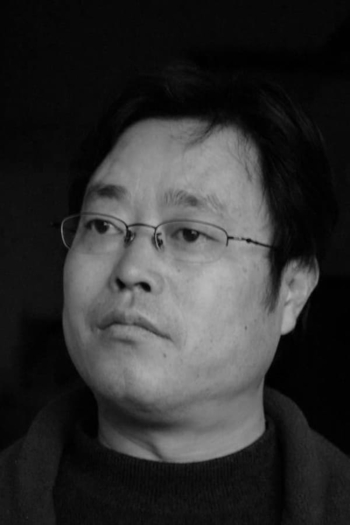
Weijun Chen
2021Law of the Dragon
Weijun Chen
Law of the Dragon takes a fresh look at a vast and culturally rich China, examining how justice is served in rural areas so remote and isolated that the villagers have almost no contact with, and are deeply mistrustful of, the central government. Principally following the austere Judge Chen as he travels around the rural and sparsely populated Xuan-en province, resolving the grievances of the residents and dispensing nuggets of Confucian-Communist wisdom.
Law of the Dragon

请投我一票
Weijun Chen
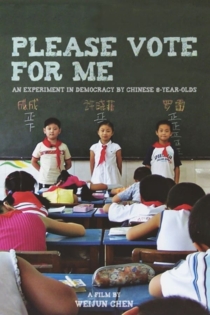
Wuhan is a city in China the size of London where an experiment in democracy is conducted. At Evergreen Primary School, a grade 3 class learns what democracy is when an election for class monitor is being held. Three children are chosen by the teacher as candidates and they have a few days to campaign and convince their classmates to vote for them. The little candidates are seen at school and at home, where their parents do their best to make sure their child will win the election.
Please Vote for Me
好死不如赖活着
Weijun Chen
Shenyi Ma, Mei Lei
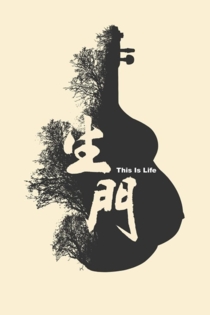
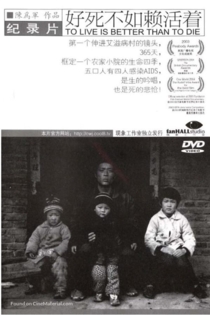
In the 1990s HIV/AIDS came to Wenlou through a blood purchasing program. To supplement their income many poor villagers sold their blood and 60% of those who sold blood contracted HIV/AIDS from unsanitary equipment. Many have died from the disease. In his documentary film, To Live is Better than to Die, Wiejun Chen tells of the impact AIDS has had in parts of rural China by showing how it has affected the Ma family. It is spring when the film takes up the family’s story.
To Live Is Better Than To Die
The Biggest Chinese Restaurant in the World
Weijun Chen
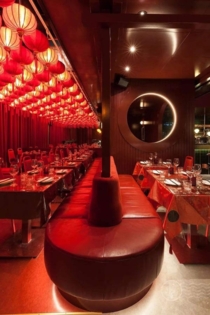
West Lake Restaurant in South China's Changsha can safely call itself the biggest Chinese restaurant in the world, with its staff of 1,000 working 5,000 tables and serving no fewer than 150 ducks per day and 200 snakes per week. The words of the restaurant's staff and guests are used in the film to paint a picture of modern China: the proprietress, one of the city's 20 self-made millionaires, speaks candidly about her failed marriage; a bridegroom-to-be who is celebrating at the restaurant explains the modern Chinese customs associated with the wedding party; and a waitress visits her poor parents in the countryside. Through these scenes, we gain insight into the unique combination of the ancient religious values and the new capitalist values with which China is stepping into the 21st century.
The Biggest Chinese Restaurant in the World