
Rui Luís
2021
Love Torn in Dreams
Raúl Ruiz
Melvil Poupaud, Elsa Zylberstein
A serious young man of free spirit is forced by his surroundings to become rich at all costs. A group of blind children tries to open the eyes of the unbelievers to the Christian faith. Retired nuns who open a brothel, to pay the running costs of the convent. These rather ironic paradoxes turn this fairytale into a philosophical fable.
Love Torn in Dreams
Manhã Submersa
Lauro António
Joaquim Manuel Dias, Eunice Muñoz
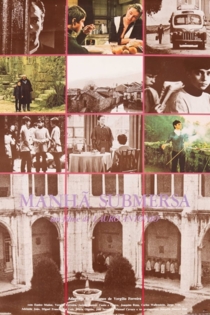
Estefânia is an old, rich, strict catholic woman, and when she sets her eyes on a couple of servants who have no means to bring up properly their youngest son, António, she decides to move her influences in order to make a priest out of him. The parents accept it, the local priest and even the Seminar's rector accept it, and António accepts it - if not for piety, for obeyance to his parents. Once time goes by, and António is out of rural misery and into the prison-like system of a seminar, doubts and anguishes mount within him.
Manhã Submersa
Vai e Vem
João César Monteiro
João César Monteiro, Rita Pereira Marques
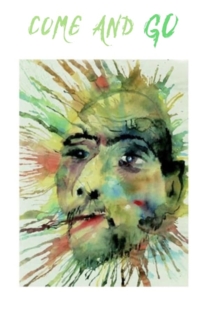
João Vuvu, lives alone in a house that requires regeneration but due to being alone he is unable to do the work. On his son's release from prison and João's ensuing deception triggers a series of somber events.
Come and Go
O Rapaz do Trapézio Voador
Fernando Matos Silva
José Airosa, Micaela Cardoso
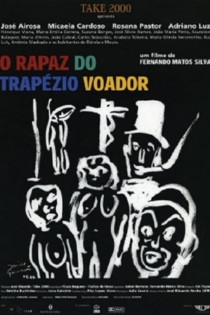
One bad thing never comes alone, says the people. The village Estrela is threatened by the waters of the new Alqueva dam. It will become an "island". But, as one bad thing never comes alone, the daily lives of the inhabitants of this small mountain village are changed by the death of Adriano. "In order to create, I destroyed myself; I have so much externalized within myself that within me I exist only outwardly. I am the living scene where various actors perform various plays." (from Livro do Desassossego by Fernando Pessoa), as Adriano liked to quote Adriano. He committed suicide on the day of the village feast, hanging himself in the main square. For Adriano, the main square of the village has long been the center of the world. Adriano felt surrounded, depressed, unable to escape his destiny. "No one can stop a man who travels with suicide on his lapel" Adriano repeated to Lisete, always to the point of exhaustion.
O Rapaz do Trapézio Voador
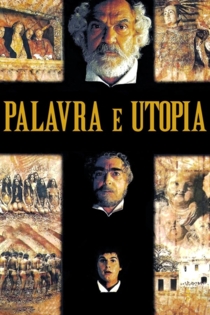
Zona J
Leonel Vieira
Núria Madruga, Ivo Canelas
Tó, a black boy from Zona J, a tough neighborhood in Lisbon, falls in love with a white girl, Carla. Tó dreams of living in Angola and taking Carla with him. However, the reality the two teens are in complicates their plans...
Zona J

Monsanto
Ruy Guerra
Vítor Norte, Paula Neves
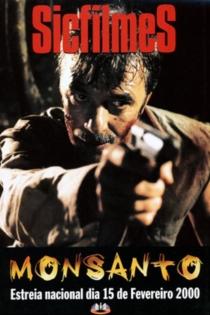
Rui Sequeira, a former fighter in the Colonial War, resident of a small village of Alentejo, celebrates another anniversary of the Carnation Revolution in the company of his wife and her daughter, the young Sara, with which he has a not so good relationship. On the night of the celebrations, the death of a friend forever alters his live, waking up a whole past long dormant.
Monsanto
Paraíso Perdido
Alberto Seixas Santos
Maria de Medeiros, Rui Mendes
Cristina is twenty years old. Her father was declared missing in action during the war in Angola many years before. One day in church the girl meets a man about fifty years old who tries various times, unsuccessfully, to make the sign of the cross. The man is called Cristovão. A few days later the two meet again. The man offers to help her look for her father. A relationship based on memories and confessions is formed between them. But soon they each return to their own solitude.
Paraíso Perdido
A Borboleta na Gaiola
Luís Filipe Costa
Helena Isabel, João Lagarto
"The Butterfly in the Cage" is a novel by Luís Filipe Costa adapted to film by the author, it follows the daily lives of several people connected to newspapers, television, film and theater in Lisbon, in the days leading up to the revolution of 25 April 1974.
A Borboleta na Gaiola