Tônia Carrero
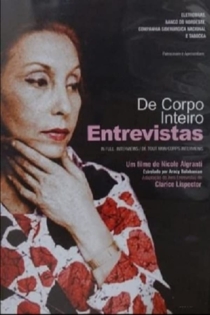
1922 (103 года)De Corpo Inteiro Entrevistas
Nicole Algranti
Aracy Balabanian, Beth Goulart
Mixed with fiction and documentary, the film relives the interviews conducted by the writer Clarice Lispector published in the magazines "Manchete" and "Fatos and Fotos" in the 1970s.
The Inventor of Dreams
Paulo Autran – O Senhor dos Palcos
Marco Abujamra
Paulo Autran, Adolfo Celi
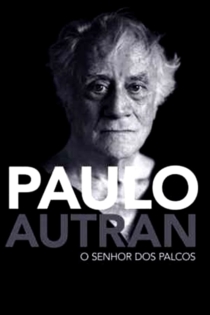
A portrait of the evolution of theater in the 20th century and a deep reflection on the art of acting through the career of Paulo Autran (1922-2007), one of the greatest actors in Brazil.
Paulo Autran – O Senhor dos Palcos
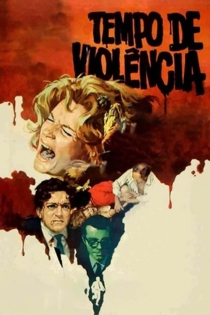
Tempo de Violência
Hugo Kusnet
Tônia Carrero, João Bennio
Wealthy banker Antônio witnesses the murder of a journalist, who got killed for exposing the activities of a gang of smugglers. After they find out about him, Antônio and his wife are both targeted and pursued by the criminals.
Time of Violence
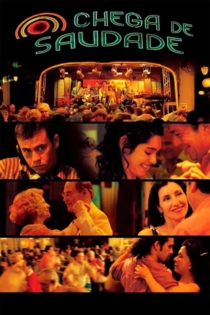
The Ballroom
Laís Bodanzky
Leonardo Villar, Tônia Carrero
An evening in an old time dance hall in Sao Paulo introduces us to local characters who reminisce about the past, wonder about the future, have fun, flirt, fight and, of course, dance. Its earthy humour and eternal themes of ageing, loneliness and desire is an antidote to grumpy old men and women everywhere.
The Ballroom
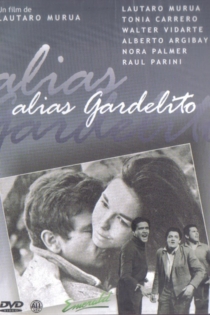
Alias Gardelito
Lautaro Murúa
Alberto Argibay, Walter Vidarte
The title of this story is taken from the name of the great Argentine singer Carlos Gardel, the idol of the antihero Toribio portrayed by Alberto Argibay. Toribio's goal in life is to emulate the famous singer and making his own way successfully in the music business. Yet at the same time, he does not stop his illegal means of making ends meet, stealing and petty thievery. Discouraged when his big break never quite materializes, Toribio heads for disaster when he joins up with a large smuggling scheme.
Alias Gardelito
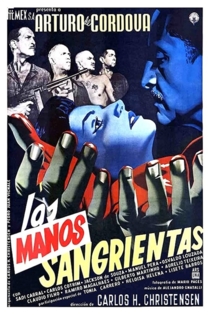
Mãos Sangrentas
Carlos Hugo Christensen
Arturo de Córdova, Sadi Cabral
Maos Sangrentas translates to Bloody Hands in English, and that's just what this gruesome Brazilian melodrama delivers. The story begins when a gang of dangerous convicts escape from a penal colony. With the police in hot pursuit, the escapees cut a gory swath through the countryside. As his comrades are killed off one by one, the leader of the group descends into gibbering madness. In contrast to this, a subplot develops involving the least dangerous of the escapees, who murdered his wife in a peak of self-righteous rage and is now seriously in doubt about the wisdom of his deed. Principal scenes reworked in 1962 to make the film The Violent and the Damned (q.v.).
Mãos Sangrentas
Tico-Tico no Fubá
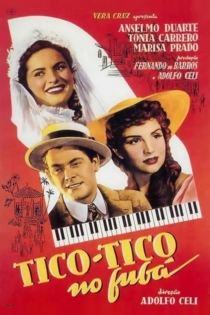
Adolfo Celi
Anselmo Duarte, Tônia Carrero
Tico-Tico no Fubá is a 1952 Brazilian comedy film directed by Adolfo Celi and starring Anselmo Duarte. It was entered into the 1952 Cannes Film Festival. The film is a fictionalized biography of Brazilian composer Zequinha de Abreu (1880–1935), who penned the song "Tico-Tico no Fubá" that became an international hit in the 1940s.
Tico-Tico no Fubá
Gordos e Magros
Mário Carneiro
Carlos Kroeber, Tônia Carrero
After staying the day at the gym, eating and drinking, Carlos, a fat man, go meet his parents, Helena and Jorge, at the party they are throwing. He is drunk and end up having a fight and leaving home.
Gordos e Magros
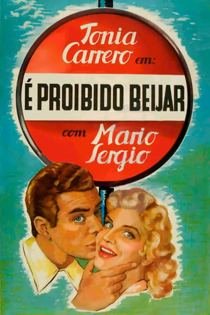
É Proibido Beijar
Ugo Lombardi
Mário Sérgio, Tônia Carrero
Eduardo wants to become a police reporter. To do so, he unravels a mysterious crime, but fails to get the editor of his newspaper to promote it. He is engaged to Suzy, who works at a nightclub. In charge of interviewing a famous actress, June, gets involved in several embarrassing situations that are created by Suzy and two other reporters, Harry and Steve, who follow June since her arrival in Brazil.
É Proibido Beijar