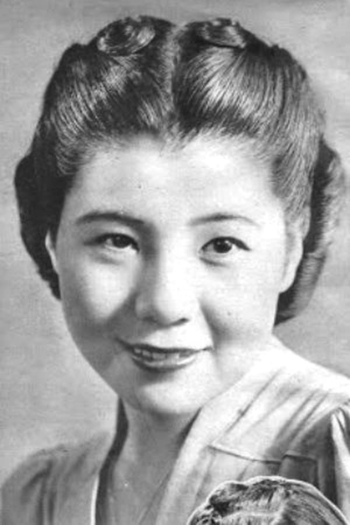
Masako Tsutsumi
1917 - 1976

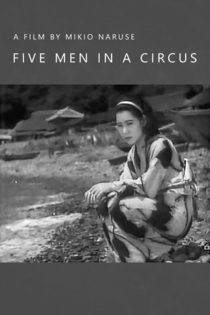
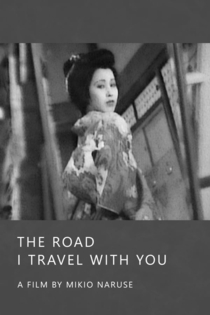
サーカス五人組
Mikio Naruse
Heihachirô Ôkawa, Hiroshi Uruki
The main focus is on the 5 member band of a small circus as it runs into problems while touring rural Japan. It also pays lots of attention to the two daughters of the aging and irascible ringmaster-circus owner. The high points are the sound (and score) and cinematography featuring a lot of vertiginous panning (appropriate - as high wire trapeze artists are also an important element in the film). A fascinating side-light on 30s Japan.
Five Men in a Circus
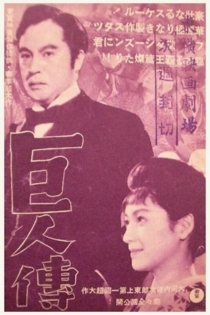
巨人伝
Mansaku Itami
Setsuko Hara, Yoshio Kosugi
Japanese adaptation of LES MISERABLES. The last film of director Itami took inspiration from Les Miserables. Transpiring during the Southwestern War of 1877 in Japan, which was the last civil war in the country, a criminal escapes prison only to be found by a monk. The criminal decides to turn a new leaf based on their conversation and goes on to become a town's mayor. He hears news of a mistaken arrest and identity. The revelation of truth is the start of a series of miseries.
The Giant
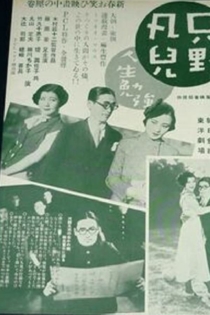
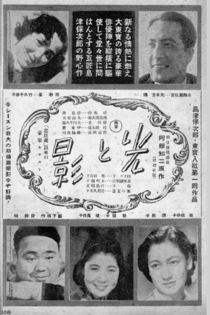
エノケンの青春酔虎伝
Kajirō Yamamoto
Kenichi Enomoto, Teiichi Futamura
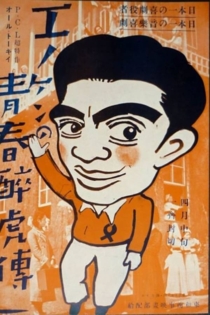
Studio P.C.L. was specifically founded to make sound films, and this early musical balances the aesthetics of the sound film with those of the stage revue. The king of Tokyo’s revue stage, comedian Ken’ichi Enomoto (Enoken) had made his name in the capital’s theatrical district of Asakusa. The film employed not only the star, but his entire theatrical troupe, and the narrative was structured around scenes which Enoken had played successfully on stage. Billed as offering 'Japan’s number one comedy actor and Japan’s number one musical comedy,' the film self-consciously borrowed from Hollywood musical comedy; indeed, the original posters carried spoof endorsements by Eddie Cantor and the Marx Brothers! Director Kajiro Yamamoto, making his P.C.L. debut, would become a stalwart of the company and its successor, Toho. He was to have a profound influence on Japanese film history as mentor to Akira Kurosawa, who assisted him on a number of films including Horse (Uma, 1941).
Romantic and Crazy
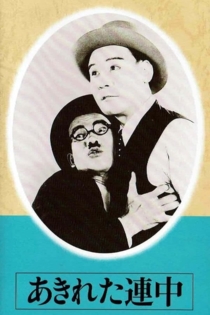
あきれた連中
Okada Kei, Osamu Fushimizu
Entatsu Yokoyama, Achako Hanabishi
The first in a series of films featuring the comedy duo Entatsu-Achako, providing them with a background story to do their popular manzai-routines on film. Here, Entatsu and Achako start out as rivals for the affection of a young woman but ultimately pair up to face a bigger rival. Entatsu chooses to become a boxer to get his chance at punching the rival out of the way.
Akireta renchû
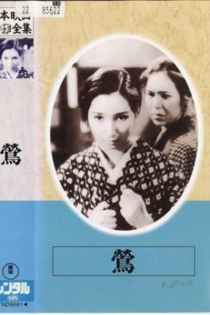
赤い手の娘達
Motoyoshi Oda
Kimiko Sakuramachi, Heihachirô Ôkawa
The title might sound shocking, but the red hands mean, the hands which drag fishnets. Ohama, 15 or 16 years old girl lost her family and lived alone in a fishermen's village. She is a strong-minded girl and very popular among young children. I guess that this story is one of the origins of girl's manga in the 1950s in which I belonged to the first generation of Japanese story manga.
Mother of the Red Hands