Jeff Keen
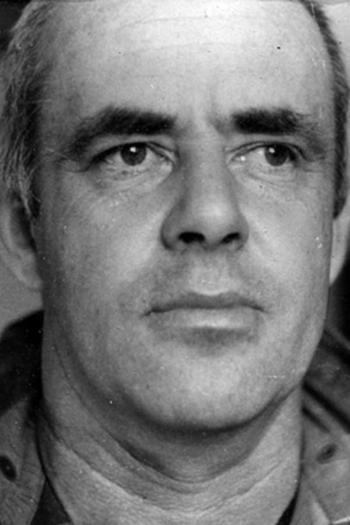
1923 - 2012Keen was a veteran of the Second World War, and his work powerfully evokes the violence, colour, speed and noise of the 20th century. He transformed cinema into a riotous collage of comics, drawings, B-movie posters, plastic toys, burning props and extravagant costumes. His early 8 mm and 16 mm films are built for speed, combining footage of Beat-era motifs – jazz, motorbikes and car culture – with experimental animations in which the achievements and atrocities of the 20th century seem to flash by within a few short, cacophonous seconds. A single frame could not contain the frenzied energy of Keen’s imagination, and by the mid-1960s he began to use multiple screens and live action in presentations of his work.
Family Star (The Mutt & Jeff Icecream Sundae + Mothman)
Jeff Keen
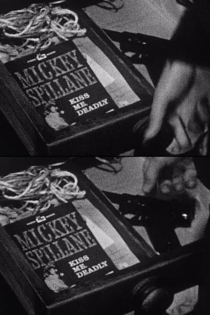
Various different holiday locations ar joined together through the pleasures of ice cream in The Mutt & Jeff Icecream Sundae, while in Mothman the strange title character crawls through roof-top windows and we see footage of a funfair. These two films have many similarities with the other Keen diary movies but have always been shown in this pairing, and under this title.
Family Star (The Mutt & Jeff Icecream Sundae + Mothman)
Mad Love
Jeff Keen
Jeff Keen had a chance encounter with a collection of old 78 speed records at a Brighton flea market and used it as an opportunity to create a surrealist film (naming it after the poetry collection by André Breton). A requiem for B movies and the marginalised popular side of cinematic history.
Mad Love
White Lite
Jeff Keen
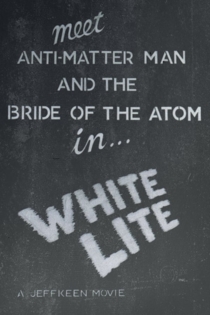
White Lite is something of a mystical film, evoking the feeling of going 'through the looking glass' to another world, despite the fact it was largely shot in the flat of its director, Jeff Keen. The film greets us with the invitation "meet anti-matter and the bride of the monster", pointing to Keen's love of B-movies (and a reference to Ed Wood's The Bride of the Atom, aka The Bride of the Monster [1955] as it was later known).
White Lite
Cine Blatz
Jeff Keen
In Cineblatz, the viewer is subjected to a high-impact barrage of evolving images, at once comic and terrifying. Glossy magazines are cut up and reconfigured, newspaper pages are defaced with animated squiggles, comic-book superheroes fly out, over and through at superspeed. Pictures appear only to burn up or be torn apart, toys dance in ferocious stop-motion before melting into pools of plastic decay, a hammer plunges down on an image of the assembled House of Commons - all to a crackly soundtrack of treated shortwave static. It is a hyperkinetic panorama of 1960s popular culture in meltdown, where seemingly nothing stays still for more than a single frame, as the artist ejaculates ideas onto the screen faster than the eye can properly register. Lasting just three minutes, Cineblatz is exhilarating, orgasmic even--but also thoroughly exhausting.
Cineblatz

The Dreams and Past Crimes of the Archduke
Jeff Keen
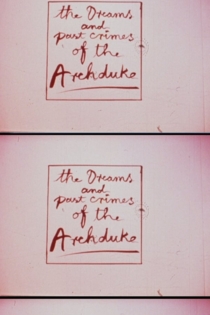
Jeff Keen's daughter gave him some music and sound effects recorded at the cinema and invited him to use it as the basis for a film. He added a plastic Hitler mask from Brighton pier and created this red and blue-dominated film that runs at a distinctly different pace to the rest of his work. Its reflective tone matches the mood of its title and features such imagery as a blindfolded artist painting.
The Dreams and Past Crimes of the Archduke
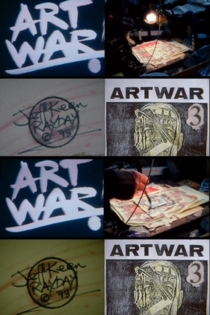
Artwar Fallout + Artwar 3
Jeff Keen
Footage of the first Iraq War is jarringly intercut with shots of the artist painting at the local tip and at home. Drawing upon pivotal moments in Jeff Keen's own life - serving in WW2 - these explosive films are a distillation of the themes and concerns that run throughout his work. These compelling titles stage a frenetic attack on our sense of modern culture.
Artwar Fallout + Artwar 3