Felipe Méndez
2021
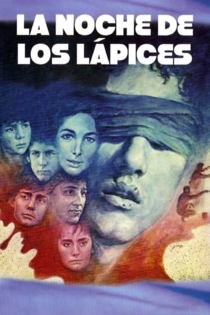
La Noche de los Lápices
Héctor Olivera
Alejo Garcia Pintos, Vita Escardó
The Night of the Pencils was a series of kidnappings and forced disappearances, followed by the torture, rape, and murder of a number of young students during the last Argentine dictatorship (known as the National Reorganization Process). The kidnappings took place over the course of several days beginning on September 16, 1976.
Night of the Pencils
A King and His Movie
Carlos Sorín
Ulises Dumont, Julio Chávez
Buenos Aires movie director, very fond of the legend of the King of Patagonia and Araucania, decides to make a movie about it. Despite of financial troubles, technical problems, misfortune and desertions, he undertakes the journey to Patagonia for the film with a second-rate actor company. Neglected by the producer and shortly after by the company, he will make the movie alone, in a surreal landscape like mad.
A King and His Movie

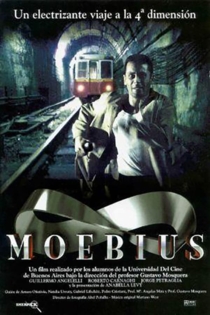
Moebius
Gustavo Mosquera R.
Guillermo Angelelli, Roberto Carnaghi
Deep within Buenos Aires's labyrinthine subway system, a train mysteriously disappears along with its 30 passengers. The subway officials are greatly troubled and call in topographer Daniel Pratt to help them find it. Unfortunately, the tunnels are so vast and complex, that Pratt needs his mentor Hugo Mistein to help him. Unfortunately, he too has vanished.
Moebius
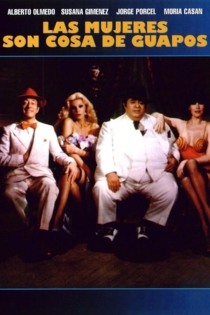
Las mujeres son cosa de guapos
Hugo Sofovich
Alberto Olmedo, Jorge Porcel
In 1930s Argentina, dim-witted Rufino and Jacinto are hired as tough guys ("guapos") by political boss Malatesta to intimidate his opponents, rig elections, etc. However, the two men change allegiances when they meet the lovely Mercedes and La Mendocina, victims of Malatesta and his gang.
Las mujeres son cosa de guapos
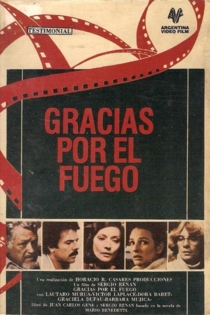
Gracias por el fuego
Sergio Renán
Lautaro Murúa, Víctor Laplace
The failure of Budiño Ramon, who plans first murder of his father and is recognized after unable to carry it out, is due largely to the general attitude of a society that tolerates no dramatic gestures. However, the inadequacies of radical class, beliefs, feelings, profession and memory also plays a leading role in the drama.
Thanks for the Fire