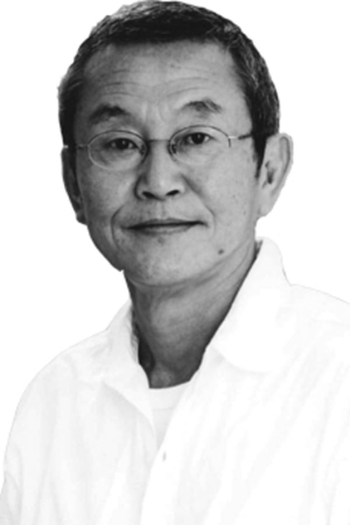
Chōei Takahashi
1942 (83 года)Tampopo
Juzo Itami
Tsutomu Yamazaki, Nobuko Miyamoto
In this humorous paean to the joys of food, a pair of truck drivers happen onto a decrepit roadside shop selling ramen noodles. The widowed owner, Tampopo, begs them to help her turn her establishment into a paragon of the "art of noodle-soup making". Interspersed are satirical vignettes about the importance of food to different aspects of human life.
Tampopo


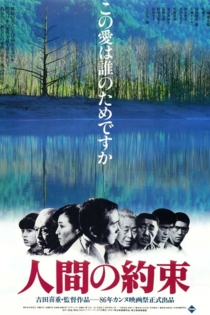
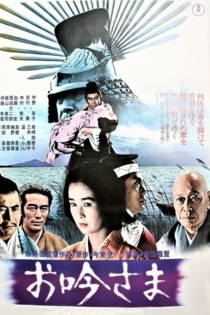
お吟さま
Kei Kumai
Ryoko Nakano, Takashi Shimura
Sen Rikyu is a ceremonial tea master who advises warlord Hideyoshi in sixteenth-century feudal Japan. His daughter, the beautiful Lady Ogin, has an unrequited love for Lord Ukon, who has angered Hideyoshi by becoming a Christian convert. Ogin's father Rikyu also displeases Hideyoshi by opposing the warlord's plan to invade China and Korea. When the animalistic Hideyoshi is rejected by Ogin, he threatens her and her father with arrest and worse.
Love and Faith
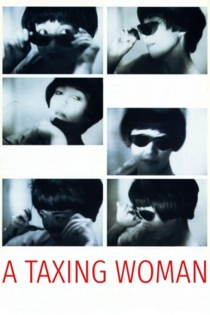
A Taxing Woman
Juzo Itami
Nobuko Miyamoto, Tsutomu Yamazaki
Intrepid tax investigator Ryoko Itakura sets her sights on the mysterious and philandering Hideki Gondo, a suspected millionaire and proprietor of a thriving chain of seedy hourly hotels, who has for years succeeded at hiding the true extent of his assets from the Japanese authorities. Itakura and Gondo soon find themselves engaged in a complicated, satirical battle of wits.
A Taxing Woman
Supermarket Woman
Juzo Itami
Nobuko Miyamoto, Masahiko Tsugawa
Failing supermarket manager Goro hires the energetic Hanako, his old classmate, to help him compete with a new, rival business in town. Soon, Hanako's ideas and energy completely revitalize the store – but not without ruffling some feathers and sparking some romance along the way.
Supermarket Woman

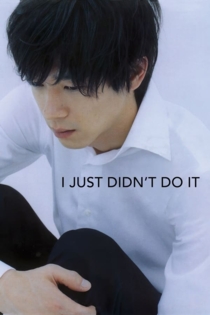
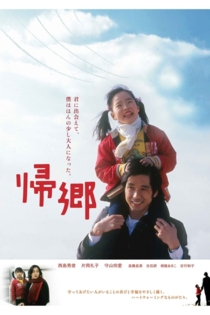
帰郷
Kôji Hagiuda
Hidetoshi Nishijima, Reiko Kataoka
Haruo returns to his hometown for his mother’s second marriage, where he happens to meet his first love Miyuki for the first time in eight years. Miyuki is back in town with her daughter Chiharu, after leaving a failed marriage.
Going Home
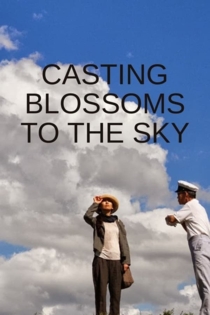
この空の花 長岡花火物語
Nobuhiko Ōbayashi
Yasuko Matsuyuki, Masahiro Takashima
In 2011, a journalist arrives in Nagaoka, a Japanese village that underwent destruction during both World War II and the 2004 Chūetsu earthquakes, and is now notable for the fireworks it launches annually in memory of the victims of war. She is there for two reasons: firstly, to learn about the experiences of Nagaoka's inhabitants, and secondly, to watch a stage play written by an enigmatic student of her ex-boyfriend, which depicts the bombing of the city during WWII.
Casting Blossoms to the Sky
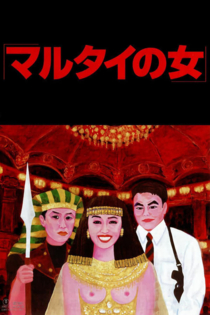
マルタイの女
Juzo Itami
Nobuko Miyamoto, Masahiko Nishimura
Biwako is a vain, middle-aged actress who witnesses a brutal murder. Realizing that the very public life of the woman makes their sole witness vulnerable to the killers, the police assign two officers to safeguard her until the trial. In the interim, the lives of Biwako and everyone around her are changed in unexpected ways.
Woman in Witness Protection
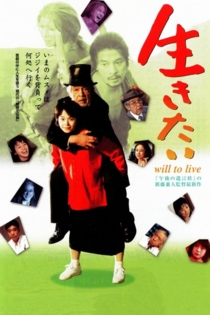
生きたい
Kaneto Shindō
Rentaro Mikuni, Shinobu Ōtake
It is based on the story of The Ballad of Narayama updated to the present day, with the substitution of putting a parent into an old people's home for the abandonment of the original. The film won the Golden St. George and the FIPRESCI Prize at the 21st Moscow International Film Festival.
Will to Live
大病人
Juzo Itami
Rentaro Mikuni, Masahiko Tsugawa
A successful Japanese movie director in his sixties becomes increasingly ill while working on his latest film. Though his family, friends, and doctor try to keep the secret of his terminal cancer from him, Buhei gradually comes to realize the truth of his condition, leading him on a journey of despair, anger, and – ultimately – acceptance.
The Last Dance

郡上一揆
Seijiro Koyama
Naoto Ogata, Hiromi Iwasaki
Naoto Ogata plays Sadajiro, a young farmer fighting out the battle of the riot through to the end. Sadajiro's wife is played by Hiromi Iwasaki, his father is played by Go Kato and Ryuzo Hayashi plays a leader of the Riot. The Riot in Gujo is called one of the biggest three riots in the Edo Period as it took almost 5 years to settle and also involved the Edo government. This movie is a period film about the riot and Gujo farmers fighting for their tenacity of purpose. The farmers had suffered enough from heavy taxes and decided to rise up in riot when the domain lord, Yorikane, issued a new act, which practically forced tax increases. Asking the lord to retract the act, they pour down to the Hachiman Castle. For once they attain the repeal deed signed by the chief retainer. However the promise is broken. Now the farmers decide to make a direct plea to the Edo Residence…This film is full tension and breathless moments.
Riot in Gujo