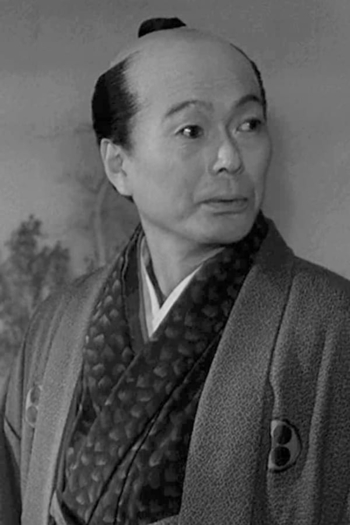
Tatsuya Ishiguro
1911 - 1965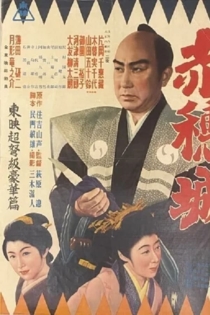
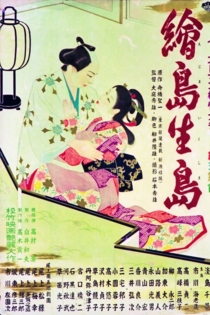
絵島生島
Hideo Oba
Chikage Awashima, Ichikawa Danjūrō XI
This period film is inspired by one of the most notorious scandals to have taken place in Edo-period Japan. The heroine, Ejima, was a lady of the Ooku, the harem of Edo Castle in which the Shogun’s mother, wife and concubines resided, forbidden from contact with any other man except in the presence of the Shogun. The institution played a key role in the Byzantine world of Japanese court politics during the Edo era. In 1714, Lady Ejima was sent to pay her respects at a Buddhist temple in the city, and chose to pay an unauthorised visit to the kabuki theatre – a violation of protocol that was to have tragic consequences.
Ejima and Ikushima

The Human Condition III: A Soldier's Prayer
Masaki Kobayashi
Tatsuya Nakadai, Michiyo Aratama
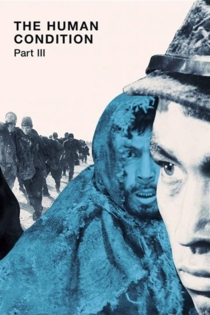
After the Japanese defeat to the Russians, Kaji leads the last remaining men through Manchuria. Intent on returning to his dear wife and his old life, Kaji faces great odds in a variety of different harrowing circumstances as he and his fellow men sneak behind enemy lines.
The Human Condition III: A Soldier's Prayer

近松物語
Kenji Mizoguchi
Kazuo Hasegawa, Kyōko Kagawa
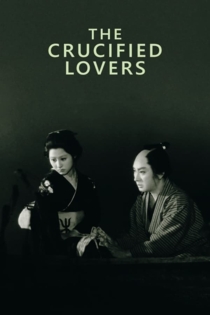
In 17th century Kyoto, Osan is married to Ishun, a wealthy miserly scroll-maker. When Osan is falsely accused of having an affair with the best worker, Mohei, the pair flee the city and declare their love for each other. Ishun orders his men to find them, and separate them to avoid public humiliation.
The Crucified Lovers
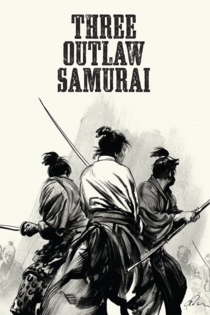
三匹の侍
Hideo Gosha
Tetsurō Tamba, Isamu Nagato
Shiba, a wandering ronin, encounters a band of peasants who have kidnapped the daughter of their dictatorial magistrate, in hopes of coercing from him a reduction in taxes. Shiba takes up their fight, joined by two renegades from the magistrate's guard, Sakura and Kikyo. The three outlaws find themselves in a battle to the death.
Three Outlaw Samurai