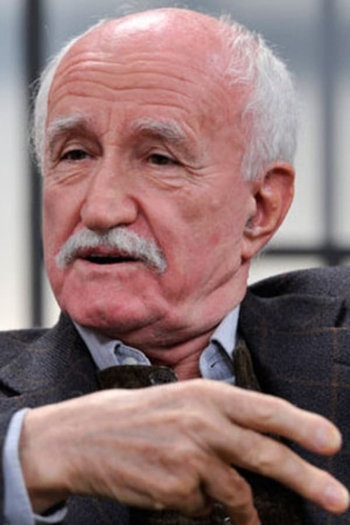
János Koltai
1935 (90 лет)
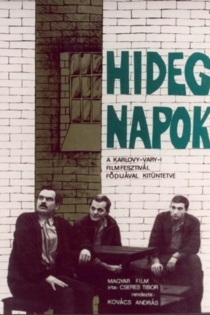
Hideg napok
András Kovács
Zoltán Latinovits, Darvas Iván
Andras Kovacs' film, considered one of the most important Hungarian films of the 1960s, centers around four men who await trial for their involvement in the massacre of several thousand Jewish and Serbian people of Novi Sad in 1942. Each denies any responsibility, claiming that they were only following orders. The film is significant for its willingness to address the subject of Hungary's role in WWII, which was taboo at the time of the its release.
Cold Days
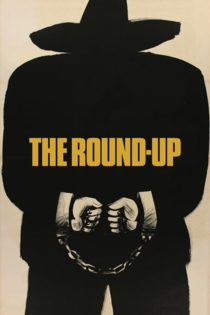
The Round-Up
Miklós Jancsó
Zoltán Latinovits, János Görbe
After the failure of the Kossuth's revolution of 1848, people suspected of supporting the revolution are sent to prison camps. Years later, partisans led by outlaw Sándor Rózsa still run rampant. Although the authorities do not know the identities of the partisans, they round up suspects and try to root them out by any means necessary.
The Round-Up
Late Season
Zoltán Fábri
Noémi Apor, Samu Balázs
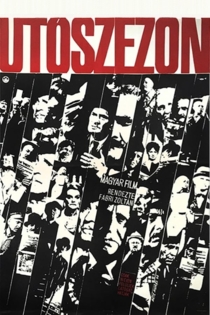
Kerekes (Antal Pager) believes he is wanted by the police when his friends play a practical joke in this unusual comedy drama. He returns to his hometown where he was accused of turning a Jewish druggist and the druggist's wife over to the Nazis. With his friends following him, Kerekes tries to find out what became of the couple after they were deported. After being subjected to a mock trial by his friends -- and found guilty -- Kerekes becomes despondent and attempts to kill himself. Flashbacks and hallucinations are employed to tell this story that occurs during the Eichmann trial. Both the film and Antal Pager gained some unwanted publicity when a Variety article from April 23rd, 1967 accused Pager of being a Nazi collaborator for his role in an anti-Semitic film during World War II.
Late Season
Tízezer nap
Ferenc Kósa
Tibor Molnár, Gyöngyi Bürös
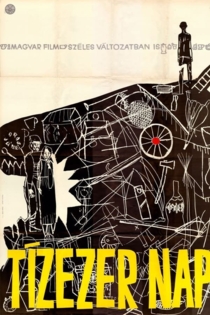
The changing and turbulent history of Hungary is seen through the eyes of three men over a 30-year period in this somber drama. The three recall the highlights of their lives in flashbacks as they reminisce in the mid 1960s. The venerable trio begin their story in the 1930s, through World War II, and the decade beyond the communist invasion of 1956.
Ten Thousand Days
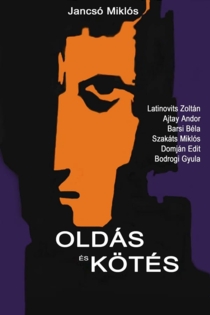
The Sack
Pál Zolnay
István Iglódi, Margit Dajka
For the first time after 11 years, Simon, a young historian visits the village of his childhood at Balaton and Aunt Lina, his foster-mother. He gets upset by what he experiences there: the old woman's troublesome and vexing everydays, her quiet sadness. He is overwhelmed by his own memories, the death of his foster-father and by everything he was not aware of before, or he simply wanted to forget.
The Sack
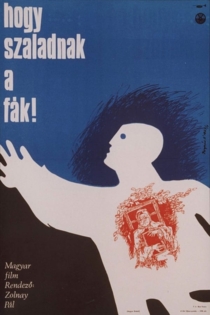
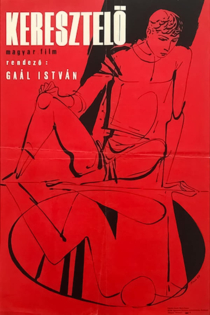
Holt vidék
István Gaál
Mari Törőcsik, István Ferenczi
This Hungarian film chronicles the slow deterioration in the life of Juli, a farmer's wife. As the countryside grows ever more deserted because people are moving to towns or large collective farms, she spends more and more time alone. Despite her best efforts to appreciate her situation, her despair grows. The loneliness is briefly interrupted when she and her husband take in an old woman and care for her, but the woman dies. Shortly after her son visits, she is killed in an accident which may have been a suicide. ~ Clarke Fountain, Rovi
Dead Landscape
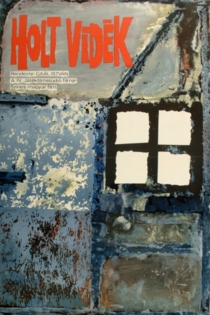
Csend és kiáltás
Miklós Jancsó
Mari Törőcsik, Zoltán Latinovits
Set during a turbulent era of disquiet, fear, persecution and terror, which permeates every corner of post-WWI Hungarian society. In 1919, after just a few months of communist rule the Hungarian Republic of Councils falls victim to a nationalist counter-revolution. Admiral Horthy, leader of the nationalist far right movement, becomes the self-proclaimed regent of Hungary, and assumes power as the legal Head of State. Soldiers of the short-lived Hungarian Red Army are now on the run from relentless secret policemen and patrol units of the nationalist Royal Gendarme. If caught, ex-Red Army soldiers are executed without mercy or proper trial. István Cserzi, a former soldier of the Red Army has fled to the Great Hungarian Plains and has taken refuge on a farm, which is run by two sympathetic women. Due to the generosity of these women and a former childhood pal...
Silence and Cry
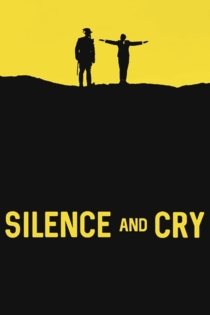
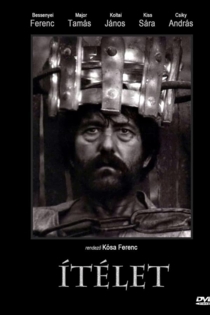
Ítélet
Ferenc Kósa
Ferenc Bessenyei, Tamás Major
The film is a historic parable about the topicality of revolution. 1514. The peasants' uprising is over, Dózsa has been arrested. Werbőczy tries to get the imprisoned peasant leader deny the revolution and offers him the lives of his people in exchange.
Judgement