Károly Kovács
2021

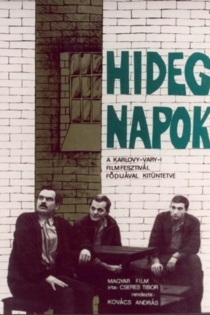
Hideg napok
András Kovács
Zoltán Latinovits, Darvas Iván
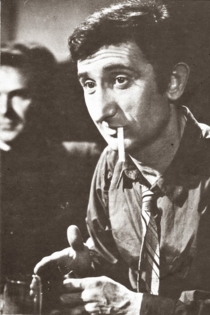
Andras Kovacs' film, considered one of the most important Hungarian films of the 1960s, centers around four men who await trial for their involvement in the massacre of several thousand Jewish and Serbian people of Novi Sad in 1942. Each denies any responsibility, claiming that they were only following orders. The film is significant for its willingness to address the subject of Hungary's role in WWII, which was taboo at the time of the its release.
Cold Days
Plusz-mínusz egy nap
Zoltán Fábri
Anatol Constantin, Ferenc Bencze
Baradla Géza, war criminal, returns after 25 years, with his ex-accomplice, Obrád Simon, to the village where he burned houses with people inside and executed partisans. The ex squad-leader is chased to this place by his "heroic deed" and the memory of his love. Like a maniac, he wants to forgive the village residents for having killed six of his soldiers.
One Day More or Less

Édes Anna
Zoltán Fábri
Mari Törőcsik, Mária Mezei
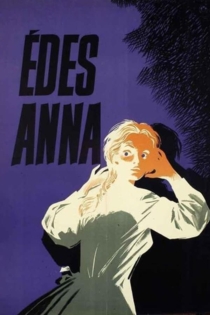
The young maid, Anna starts to work for the noble Vizy family. Mrs Vizy is proud of the hard-working servant but doesnt treat her well. Her nephew seduces Anna with sweet words, but when leaves her as soon as she gets pregnant. The humiliations of Anna finally lead to a tragic ending.
Sweet Anna
Late Season
Zoltán Fábri
Noémi Apor, Samu Balázs
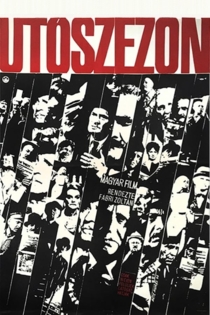
Kerekes (Antal Pager) believes he is wanted by the police when his friends play a practical joke in this unusual comedy drama. He returns to his hometown where he was accused of turning a Jewish druggist and the druggist's wife over to the Nazis. With his friends following him, Kerekes tries to find out what became of the couple after they were deported. After being subjected to a mock trial by his friends -- and found guilty -- Kerekes becomes despondent and attempts to kill himself. Flashbacks and hallucinations are employed to tell this story that occurs during the Eichmann trial. Both the film and Antal Pager gained some unwanted publicity when a Variety article from April 23rd, 1967 accused Pager of being a Nazi collaborator for his role in an anti-Semitic film during World War II.
Late Season
Confidence
István Szabó
Ildikó Bánsági, Péter Andorai
Janos and Kata are thrown together during the Second World War and forced to pose as husband and wife to hide from the Nazis. The intensity and suffocating intimacy of their new relationship and the circumstances in which they find themselves, forces them to confront past prejudices and assumptions and challenge what they truly believe.
Confidence

Szakadék
László Ranódy
Margit Bara, Imre Sinkovits
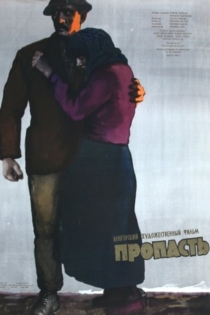
Nagy István, the formerly poor peasant boy returns to his native village as a teacher. His conviction is that the abyss between rich and poor can be diminished by good will. The rich Böröcz Horváth Klári returns his love, and also Böröcz Horváth is willing to help the poorest family, the Bakos. Bakos Jóska, who was sent to serve the tough Böröcz Horváth as a payment, dies of an infected wound and the people in the village hold the teacher liable as well. Nagy István realises, that the abyss cannot be ceased, what is more, it is impassable. He breaks up with his fiancée and stands by the side of the poor.
Abyss
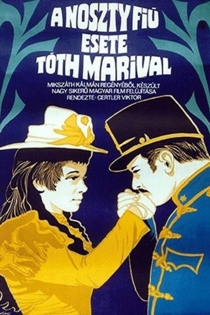
Az aranyember
Viktor Gertler
András Csorba, Ilona Béres
Adaptation of Mór Jókai's classic 19th century novel on Mihály Tímár, the captain of a commercial Danube ship in the 1830s, who finds unexpected fortune by meeting a Turkish aristocrat fleeing from his home country with his daughter Tímea. On their journey, they find an unknown island on the Danube, called the Senki szigete (the Island of No-one), a sort of earthly paradise, with only an old woman and her young daughter Noémi living on it.
The Man of Gold


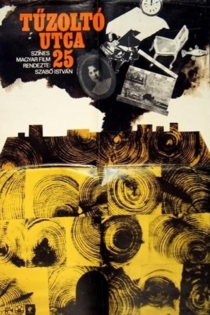
Tűzoltó utca 25.
István Szabó
Lucyna Winnicka, Margit Makay
On one hot summer night, the residents of a Hungarian apartment house slated for demolition restlessly revisit their haunted pasts as they face an uncertain future. In a gently turning kaleidoscope of dream imagery, regret-laden nostalgia and painstakingly intimate detail, the looming wrecking ball pales in significance to the accumulated experiences each dreamer revisits. Pre-war prejudice, occupying Nazis and Stalinist deprivations all come and go as each tenant’s backward glance yields moments of aching sensuality, infectious exuberance and catastrophic loss.
25 Fireman's Street
Két lány az utcán
André De Toth
Bella Bordy, Piri Vaszary
Two girls run away from a small village. Gyöngyi comes from an aristocratic family and her father throws her out of the house when he discovers she has gotten pregnant out of wedlock. She finds herself wandering the streets of Budapest and earns money playing the violin in a restaurant. Vica is an orphaned peasant; she is afraid of her stepfather and moves to the city where she gets a job on a construction site. Gyöngyi and Vica meet on the streets of Budapest, move in together and turn their lives around.
Two Girls on the Street

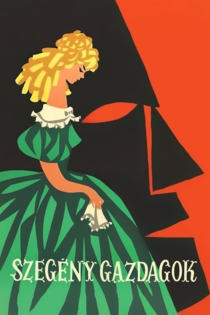
Szegény gazdagok
Frigyes Bán
Marianne Krencsey, Gyula Benkő
The old, sickly Demeter Lapussa is a tyrant in the family. He forces his granddaughter, the beautiful Henriette, to marry baron Hátszegi, although the girl loves the penniless Vámhidy Szilárd. The two lovers attempt to commit suicide, then are torn away from each other.
Fatia Negra