
Branislav Koreň
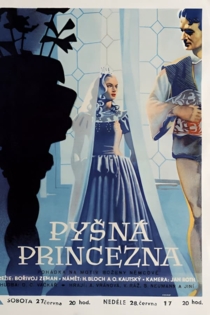
1921 - 1982Pyšná princezna
Bořivoj Zeman
Alena Vránová, Vladimír Ráž
It's very human and nice story about lofty princess (her father is amiable but incapable - unforgettable performance of S. Neumann) and good, nice, kind and well-principled young king (prince) who tries to make tender her calm heart to get married with her. After being refused (she's very capricious), he conclude to make her better. He start to work as a gardener at her castle (in secret) and successively bring she to her senses...The story continues when already reformed princess and the young king (she learn about his real identity later) have to take refuge from troops, that princess father (old king) has sent (of course he took a bad and mean counsellors advice). They have to take shelter by several ordinary and poor families, which are always very friendly and give them a help... Of course the tale has happy end.
The Proud Princess
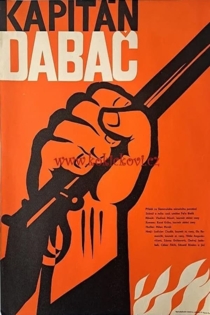
Kapitán Dabač
Paľo Bielik
Ladislav Chudík, Elo Romančík
Капитан Дабач служил в словацких частях гитлеровской армии, видел зверства и бессмысленную жестокость фашистов. Он всегда бездумно подчинялся приказам. Но однажды он не выполнил приказа и отказался расстреливать беззащитное население маленькой украинской деревни. Его судили, приговорили к расстрелу. Дабачу удалось бежать, и он примкнул к партизанам. В дни национального восстания против оккупантов Дабач был одним из его активных участников.
Kapitán Dabač
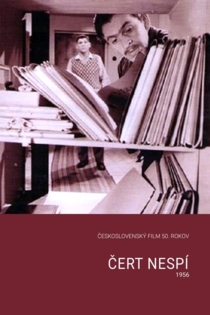
Čert nespí
František Žáček, Peter Solan
Bohuš Králik, Jozef Kroner
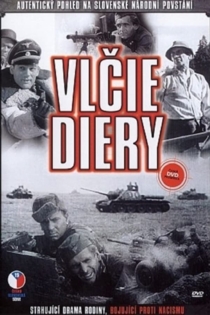
Episodic film consisting of three satirical shorts ('Smutný káder', 'Typický prípad' and 'Vel'korysá kampaň') comically exposing the shortcomings of society. In the interval between each short, a committee recognising themselves in the characters on screen, voice their approval or disapproval of each film.
The Devil Does Not Sleep
Drevená dedina
Andrej Lettrich
Samuel Adamčík, Andrej Bagar
Slovak movie is based on the novel by the prominent representative of Slovak prose František Hečka, who was in 1952 awarded the State Prize. The novel and the movie successfully capture the development of Slovak village after the liberation in 1945. The narrative is centred around the characters of the old Púplava, who after the liberation begins to organise a new village life, and his struggle for the construction of settlements Mrzáčky, burnt by the fascists. It is centred around the conflict, greatly reflecting the situation of the countryside at this time: the conflict between the rural poor and the rural rich. In the movie, a rich personal and emotional life of other heroes pulsate besides the main storyline. The movie ends with the final defeat of the reactionary forces by Communists in February 1948, taking over all power in the state of workers and peasants. - "The Wooden Village" is released in celebration of the 7th anniversary of the Communist February Victory.
The Wooden Village