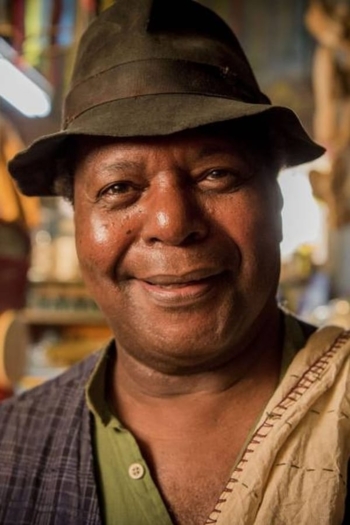
Gésio Amadeu
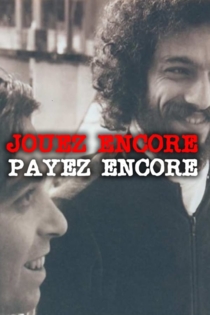
1947 (78 лет)Jouez Encore, Payez Encore
Andrea Tonacci
Gésio Amadeu, Dionísio Azevedo
A film that records the rehearsals of a Brazilian theatre troupe directed by Victor Garcia, and then the conflicts that break out as they tour Iran and France with a performance of Calderon's autos sacramentales. A problem with a scenery prop sparks a crisis in the group and the film chronicles this disaster.
Jouez Encore, Payez Encore
Eles não usam black-tie
Leon Hirszman
Carlos Alberto Riccelli, Gianfrancesco Guarnieri
Otavio is an idealistic union leader trying to organize workers at a factory to resist the company's exploitative practices. His son, Tião, one of the employees, is more of a realist and doesn't want to risk losing his job by striking. This clash of perspectives puts the father and son at odds. Fortunately, Tião's mother, Romana, is on hand to act as a moderator between the two opinionated men.
They Don't Wear Black Tie

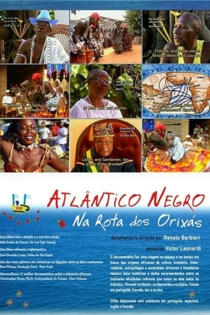
Atlântico Negro - Na Rota dos Orixás
Renato Barbieri
Gésio Amadeu
The waters of the Atlantic brought the slaves from Africa to Brazil, their bodies in chains but their souls inexorably tied to mother Africa. This Brazilian- made film takes us to both shores, to show how spiritual life, dance and song came with the captive people and took root in the new soil. Among the many traditions were the language and gods of Yoruba and Jejes from the Republic of Benin. When a group of freed slaves returned to Africa to rediscover their roots they were looked upon as outsiders. They became tradespeople - tailors, accountants and builders- and they actually brought Portuguese culture to Africa. Today, when Brazilians revisit Africa, they teach the Africans the culture that these descendants of slaves keep alive in Brazil. The documentary is a testimony to some of the ironies of the diaspora.
Black Atlantic: On the Orixas Route
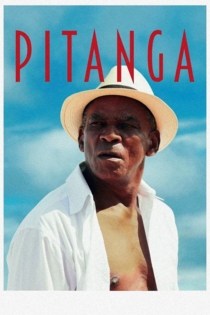
Pitanga
Camila Pitanga, Beto Brant
Antônio Pitanga, Camila Pitanga
This documentary investigates the aesthetic, political and existential trajectory of emblematic Black Brazilian actor Antônio Pitanga. He career spans over five decades, and he has worked with iconic Brazilian filmmakers Glauber Rocha, Cacá Diegues and Walter Lima Jr. He was a prominent figurehead and outspoken activist during the Brazilian dictatorship, a period of unrest in Brazilian cinema. Pitanga deep dives into the world of Antônio and the history of Brazil. The documentary was directed by his daughter Camila Pitanga, one of widely recognised faces in Brazilian television and cinema right now. The film is also a poem, and a tender ode to fatherhood.
Pitanga

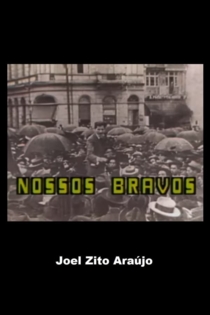
Nossos Bravos
Joel Zito Araújo, Peter Overbeck
Lélia Abramo, Dionísio Azevedo
Docudrama on labor mobilizations in the beginning of the 20th century in Brazil, led by union organizations with anarcho-socialist influence. Using fictional resources and historical archives, the film reconstructs an important part of the memory of Brazilian unionism and its biggest strikes, establishing a dialogue between different working generations.
Nossos Bravos