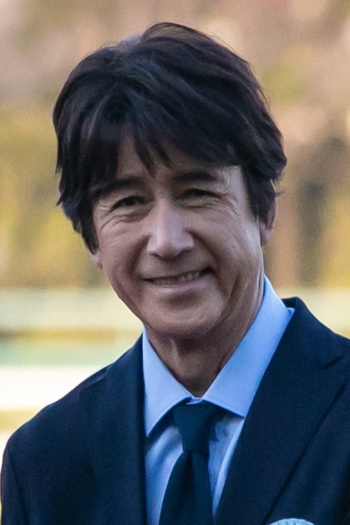
Masao Kusakari
1952 (73 года)Kekkon ni Ichiban Chikakute Tooi Onna
Yoshiko Hoshida
Ayako Imoto, Yu Shirota
Beppu Sumire is a wedding planner who works for True Love Bridal (TLB), a well-established wedding hall. Her late mother, Sakura, showered love on her and would always tell her that she is lovely. After she passed away, Sumire lived with her father, Tetsuro. Sumire gave up on her own romance long ago because of her disappointing looks. But she works hard with a smile even when she gets scolded by her stern superior, Umemiya Hitomi, her impertinent junior, Sudo Yuri, pins trouble on her, and her relationship with her father is not working out, in order to bring smiles to many people’s faces.
Kekkon ni Ichiban Chikakute Tooi Onna


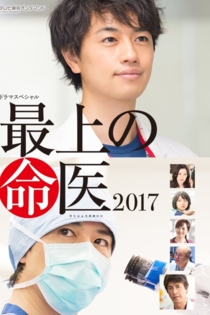
Afghanistan: Getting Out
Kazuo 'Gaira' Komizu
Takeshi Katō, Masao Kusakari
A blind female assassin lives alone in a remote house; her superiors occasionally send her "clients" / targets that she shoots right after having sex with them in her completely darkened bedroom.
XX: Beautiful Weapon

この空の花 長岡花火物語
Nobuhiko Ōbayashi
Yasuko Matsuyuki, Masahiro Takashima
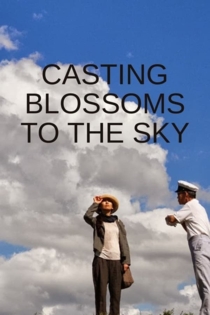
In 2011, a journalist arrives in Nagaoka, a Japanese village that underwent destruction during both World War II and the 2004 Chūetsu earthquakes, and is now notable for the fireworks it launches annually in memory of the victims of war. She is there for two reasons: firstly, to learn about the experiences of Nagaoka's inhabitants, and secondly, to watch a stage play written by an enigmatic student of her ex-boyfriend, which depicts the bombing of the city during WWII.
Casting Blossoms to the Sky
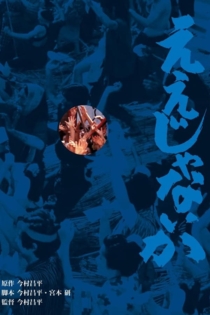
ええじゃないか
Shōhei Imamura
Shigeru Izumiya, Kaori Momoi
The film depicts carnivalesque atmosphere summed up by the cry "Ei ja nai ka" ("Why not?") in Japan in 1867 and 1868 in the days leading to the Meiji Restoration. It examines the effects of the political and social upheaval of the time, and culminates in a revelrous march on the Tokyo Imperial Palace, which turns into a massacre. Characteristically, Imamura focuses not on the leaders of the country, but on characters in the lower classes and on the fringes of society.
Why Not?
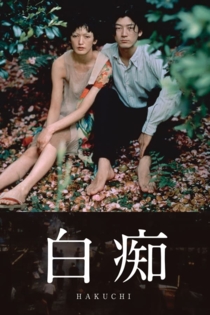
Hakuchi: The Innocent
Makoto Tezuka
Tadanobu Asano, Miyako Koda
In a future where World War II never ended, Japan is decimated by nightly bombings. The only building left standing is known as the Media Station, a broadcasting center responsible for all of Japan's entertainment.
Hakuchi: The Innocent
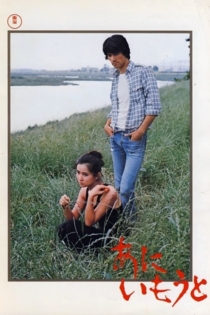
神田川
Masanobu Deme
Keiko Takahashi, Masao Kusakari
Based on a blockbuster song by Kaguyahime, a folk group. Makoto, a college student who belongs to a puppet theatre club, meets Michiko, who works at a printing factory, and they come to learn the bitterness and sadness of love. The two live humbly by the River Kanda, but are viewed coldly by people around them.
Kandagawa

記憶にございません!
Koki Mitani
Kiichi Nakai, Dean Fujioka
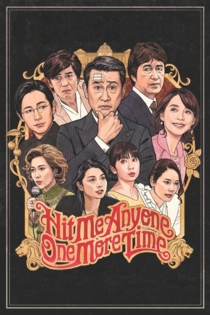
Keisuke Kuroda wakes up in a hospital bed unable to remember who he is. While sneaking out of the hospital, he sees a glimpse of the news and realizes that he is the Prime Minister of Japan. His approval rating was the lowest in the history of modern Japan. During a recent speech, a citizen had thrown a rock at him causing him to lose his memory. Keisuke Kuroda’s subordinate takes him to the official residence of the prime minister where he tries to implement changes to the country. The only people aware that he has lost his memory are his three secretaries.
Hit Me Anyone One More Time
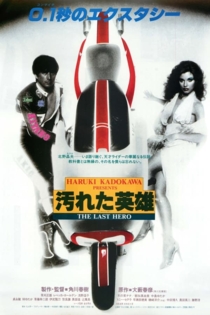
汚れた英雄
Haruki Kadokawa
Masao Kusakari, Rebecca Holden
The 8th All-Japan Road Race Championship. The internationally ranked A-level SUGO circuit is on the edge of its seat as the 500 cc final draws near. Akio Kitano and Keishi Ooki face off: private team versus factory team. In the final lap, Akio is overtaken by Ooki and loses by a hair. The reason for his defeat? The difference between their two machines. With their scores tied, the two wait for the next match to settle the score for good.
The Last Hero