Laida Lertxundi
1981 (44 года)
Llora cuando te pase
Laida Lertxundi
Lindsey Hoffmann, Beau Johnson
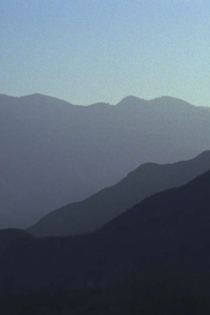
Los Angeles City Hall is reflected onto the window of the Paradise Motel. It serves as an anchor for this traversal through the natural expanse of California. Here, we discover a restrained psychodrama of play, loss, and the transformation of everyday habitats. Music appears across the interiors and exteriors and speaks of limitlessness and longing.
Cry When It Happens
Footnotes to a House of Love
Laida Lertxundi
Sandy Ding, Eliza Douglas
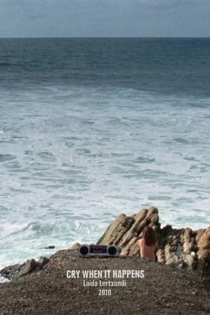
A series of shots in a California desert landscape in which there is a play between on frame and off frame, sound and image. There is an effort to create the space of a story, without a story, by the use of real time/diegetic sound. Love is felt as a force that determines the arrangement of the figures in the landscape.
Footnotes to a House of Love

Inner Outer Space
Laida Lertxundi
Lertxundi’s first film since relocating to Spain from California in 2019 is a triptych composed of three independent and yet interrelated pieces – Teatrillo, Inner Outer Space and Under the Nothing Night. A new setting for the filmmaker but the same sun-drenched blue sky and sea. Like all of Lertxundi’s work, Inner Outer Space is a film about relationships – between characters, between characters and landscape, between image and sound – but also, and ultimately, a deconstruction of the production process that highlights materiality and artifice. Just like the blindfolded woman in the film who attempts to orientate herself in a new geography, Lertxundi is learning – through the making of a film – to reacquaint herself with the landscape of her native Basque Country. The concluding chapter – in which two young women perform a mysterious choreography to the projected images of waves – is an outburst of pure feeling.
Inner Outer Space
Autoficción
Laida Lertxundi
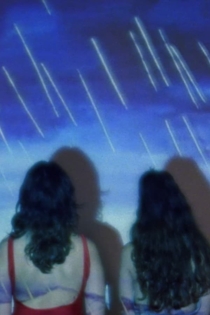
Borrowing its title from a literary genre, the film acknowledges the indeterminacy of both fiction and the self. Noir elements are reduced to deadpan gestures under bright California sunlight. Field recordings made in New Zealand are heard as women speak with each other about motherhood, abortion, breakups and anxiety. A civil rights parade moves slowly down a street. Bodies appear in states of weariness, injured or at rest, while songs by Irma Thomas and Goldberg evoke the passing of time and an uncertain future.
Autofiction
Words, Planets
Laida Lertxundi
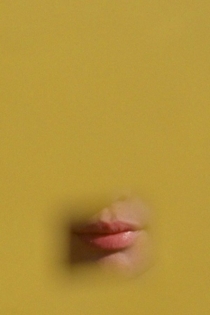
This film applies the six principles for composition delineated in ‘Opinions on Painting by the Monk of the Green Pumpkin’, written by the eighteenth-century Chinese painter Shih-T’ao as referenced in Raúl Ruíz’s essay For a Shamanic Cinema (for example, ‘draw attention to a scene emerging from a static background’ or ‘add scattered dynamism to immobility’). The film is composed of scenes with non-actors, and texts by R.D.Laing and Lucy Lippard. Filmed and recorded in Habana, Cuba; Los Angeles; Devil's Punch Bowl; Ryan Mountain; Jurupa Hills, Pasadena and Idyllwild, California.
Words, Planets
Afirmacío
Laida Lertxundi
Rosi Braidotti
We live in convulsive, contradictory times that demand of us a new way of being in the world: an ethics of generosity and working together, and recognition of our reciprocal interdependence with all beings, human and non-humans, organic and inorganic, with which we share the planet.
Affirmation
My Tears Are Dry
Laida Lertxundi
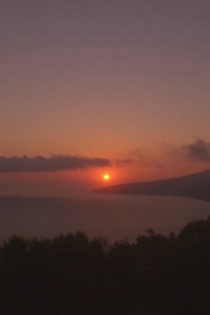
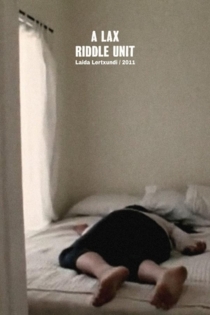
A film in the three parts of a dialectic. Hoagy Land's song is played and interrupted as guitar makes sound, two women, a bed an armchair, and the beautiful outside. After Bruce Baillie's All My Life. The lyrics of the song reference the eternal sunshine of California and its promises.
My Tears Are Dry