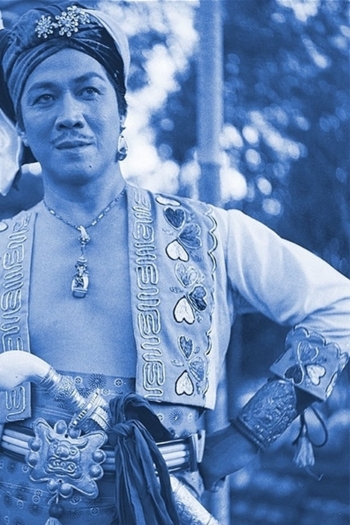
Manuel Conde
1915 - 1985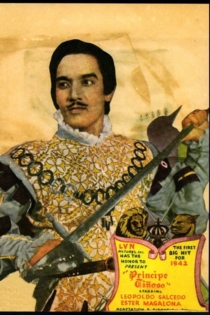



Satur
Lamberto V. Avellana
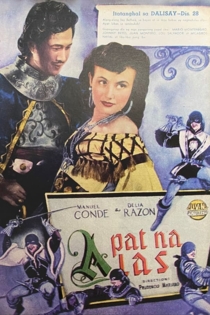
Delia Razon, Manuel Conde
Cristina, a pretty young neighborhood girl, is pursued by the mysterious Satur, a wealthy but mysterious young man. Cristina, however, is engaged to Sendong, a young farmer. When Cristina's mother is taken suddenly ill and there appears to be no hope of recovery, Satur says that can cure her in exchange for Cristina being promised to him. Desperate, Cristina agrees and her mother pulls through. Cristina and Sendong soon find out that she may have well made a deal with the devil.
Satur

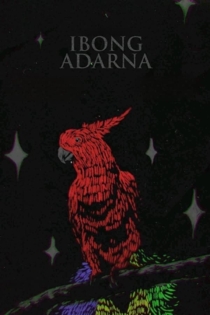
Ibong Adarna
Vicente Salumbides, Manuel Conde
Mila del Sol, Fred Cortes
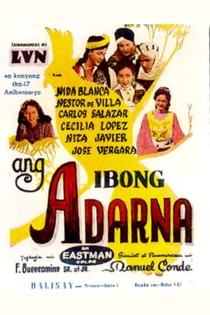
Based on the popular Filipino fairytale, Three princes are in search of a mythical bird, the Ibong Adarna, not only for the cure to the ailing king but also to rival for the rightful claim to the throne.
Ibong Adarna
Ang Buhay ni Genghis Khan
Manuel Conde
Manuel Conde, Elvira Reyes
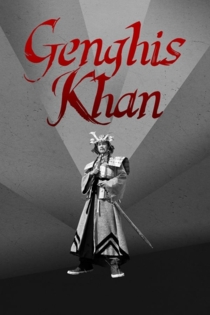
Temujin, who later became Genghis Khan is wise, or sometimes cunning. He goes through several heroic episodes; competing at the Man of Men contest, falling in love with the enemy commander's daughter, and struggling to restore his demolished hometown. Meanwhile his steps guide him to be a great conqueror. Khan's witty, humorous side in his adolescent years before he takes the throne.
Genghis Khan

Juan Tamad Goes to Congress
Manuel Conde
Manuel Conde, Tessie Quintana
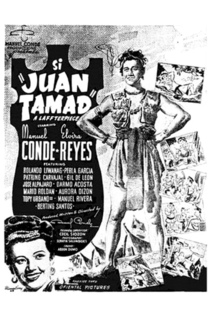
Juan Tamad is a humorous Filipino folkloric character whose seeming mission in life is to avoid work, such as waiting for ripe coconuts to fall from the tree, rather than climbing up to get them. In this film, which achieves a modern tone and temper, Juan finds himself elected to Congress where he is exposed to the corruption and venalities of politicians.
Juan Tamad Goes to Congress
Ikaw Kasi
Manuel Conde
Nida Blanca, Nestor de Villa
A comedy-musical movie of Nestor de Villa and Nida Blanca’s love team. It depicts the family extended family culture and grown-up children providing for the family needs. Its satirist approach makes it effective in its attempts to criticize the most abused Filipino traits of family ties.
Ikaw Kasi