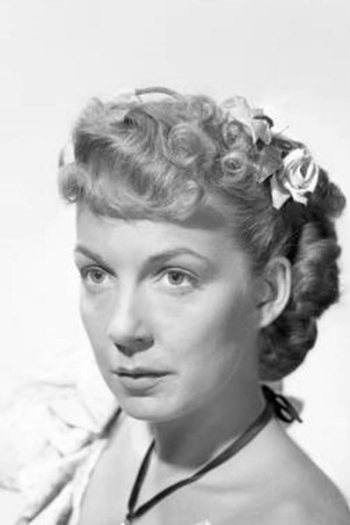
Hildy Parks
2021
Night of 100 Stars
Clark Jones
Jane Alexander, Peter Allen
The most glittering, expensive, and exhausting videotaping session in television history took place Friday February 19, 1982 at New York's Radio City Music Hall. The event, for which ticket-buyers payed up to $1,000 a seat (tax-deductible as a contribution to the Actors' Fund) was billed as "The Night of 100 Stars" but, actually, around 230 stars took part. And most of the audience of 5,800 had no idea in advance that they were paying to see a TV taping, complete with long waits for set and costume changes, tape rewinding, and the like. Executive producer Alexander Cohen estimated that the 5,800 Radio City Music Hall seats sold out at prices ranging from $25 to $1,000. The show itself cost about $4 million to produce and was expected to yield around $2 million for the new addition to the Actors Fund retirement home in Englewood, N. J. ABC is reputed to have paid more than $5 million for the television rights.
Night of 100 Stars
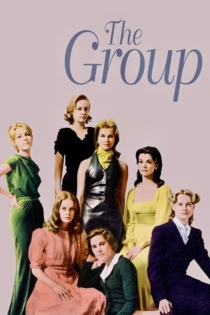
The Group
Sidney Lumet
Candice Bergen, Joan Hackett
It's 1933, and eight young women are friends and members of the upper- class group at a private girl's school, about to graduate and start their own lives. The film documents the years between their graduation and the beginning of the World War in Europe, and shows, in a serialized style, their romances and marriages, their searches for careers or meaning in their lives, their highs and their lows.
The Group
Fail Safe and Cold War
Frieda Altman, J. Hoberman
Film critic J. Hoberman discusses the best-selling 1962 novel by Eugene Burdick and Harvey Wheeler on which "Fail-Safe" is based, along with the pervasiveness of nuclear paranoia in films of the sixties.
'Fail-Safe' and the Cold War