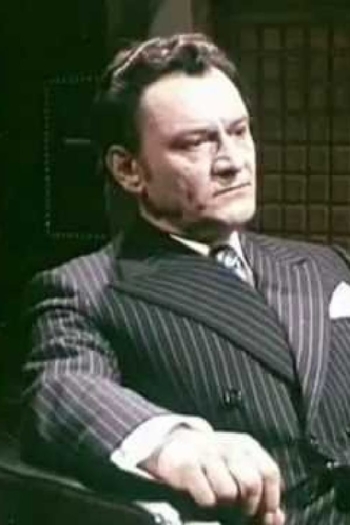
Jovan Milićević
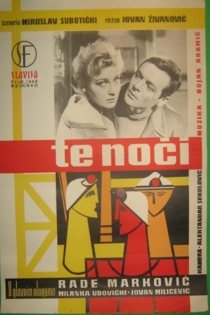
1923 - 1992Te noći
Jovan Živanović
Jovan Milićević, Rade Marković
Following an accident in the mine on New Year's Eve, the task of bringing oxygen to the buried miners is to be performed. Driven by jealousy, Pavle founds himself in a dilemma of killing his wife's former lover, or saving the miners' lives.
That Night
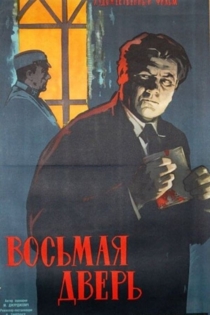
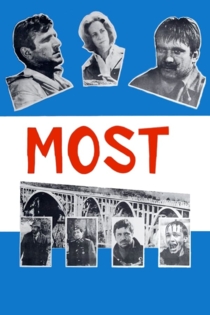
The Bridge
Hajrudin Krvavac
Velimir 'Bata' Zivojinovic, Слободан „Цица“ Перовић
In order to check the German offensive, Partizans send an elite team of explosive experts to blow up a strategically important bridge. Besides being heavily guarded, that bridge is almost indestructible and the only man who knows weak spots in the construction is the architect who built it. He is, however, reluctant to cooperate because he doesn't want to see his masterpiece destroyed.
The Bridge
Brat doktora Homera
Živorad 'Žika' Mitrović
Velimir 'Bata' Zivojinovic, Voja Mirić
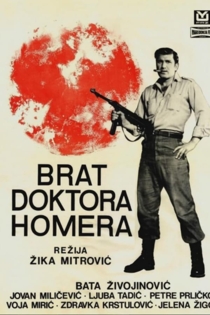
This film predominantly deals with the problems of a young man whom his delusions led into conflict with society. These issues will throw him into an adventure that would be tragic for him, but still helpful for him to see the truth. The story takes place in Kosovo in 1945, in an atmosphere of uncured wounds, wandering, betrayal, burned homes, typhoid and other postwar misery. An authentic story from those days was taken as the film's basis.
Doctor Homer's Brother
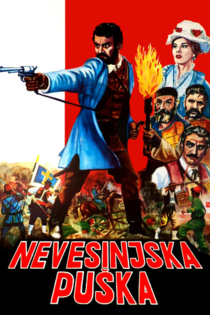
Невесињска пушка
Živorad 'Žika' Mitrović
Miha Baloh, Jovan Milićević
A Serbian hero Mićo Ljubibratić from Herzegovina raises an uprising in eastern Herzegovina against Ottoman and he makes it clear to the Western powers, especially the Austrians, that the annexation of Herzegovina to Austria is out of the question if the newly formed Herzegovinian Assembly does not make such a decision on its own.
Thundering Mountains
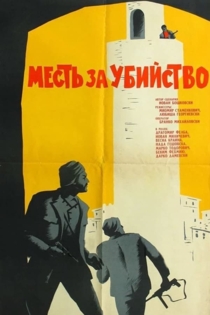
Под исто небо
Miomir 'Miki' Stamenković, Ljubiša Georgievski
Dragomir Felba, Jovan Milićević
Three partisans come to a fascist held town at the end of the war to create diversions. Their protector is tortured to reveal their whereabouts, but the partisans arrive in time.
Under the Same Sky
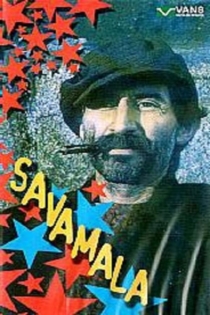
Savamala
Živorad 'Žika' Mitrović
Ljubiša Samardžić, Siniša Ćopić
In Savamala, the most notorious part of Belgrade, lives an eighteen-year-old young man. In this turbulent atmosphere, different passions collide, and there are hints that the bloody strikes are a prelude to a major battle. The young man tries to escape from the slums and live in a better society. He falls in love and draws comics, while Savamala offers him the misery of everyday life, the world of criminals, gamblers, anarchists, singers and failed poets.
Savamala
Koštana
Slavoljub Stefanović-Ravasi
Snežana Savić, Ljuba Tadić
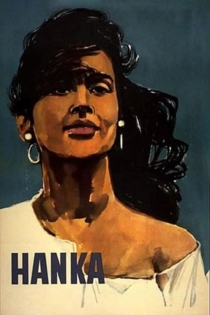
TV adaptation of the Bora Stankovic drama, the most staged play in the history of Serbian theatre. Set in the southern Serbian town of Vranje, it is a tragedy about a Gypsy singing girl destined to marry but not for love. The old man Mitke loves her beauty and singing, but doesn't love her as a woman. Her talent and free spirit reminds him of his youth, young age and all he had to sacrifice for loveless marriage and unhappiness in order to fit into conventions.
Koshtana

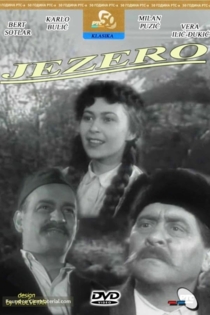
Jezero
Radivoje 'Lola' Đukić
Milivoje Živanović, Vera Ilić-Đukić
Bad weather, farmers who do not allow the dumping of their estate, and people who are willing to sabotage for ideological reasons, disrupt the building of hydro-power on the Neretva river. Upon completion of construction, the benefits of electricity assures people of the necessity of progress.
The Lake
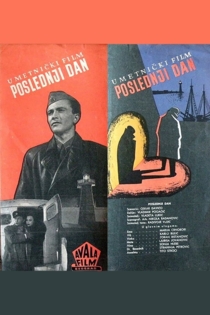
Poslednji dan
Vladimir Pogačić
Marija Crnobori, Zoran Ristanović
A group of former members of the Gestapo participates in espionage activities, helped by a group of locals, dissatisfied with the new authorities. However, members of the Yugoslav secret police, the infamous UDBA, are on their track. This is the first Yugoslavian spy film.
The Last Day
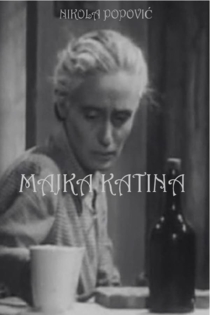
Majka Katina
Nikola Popović
Nada Škrinjar, Jugoslav Nalis
The plot takes place during the Civil War in Greece, and it shows the fight of communist partisans, against the pro-Western, monarchist government. During the shooting, there was a discord between Yugoslavia and the Soviet Union because of the famous IB resolution, which caused Yugoslav authorities to stop supporting Stalinists. Tito's government acknowledged Greek monarchists as a legitimate government, and not wanting to remind the public of their ideological discrepancy, bunkered "Majka Katina" for a few decades.
Mother Katina