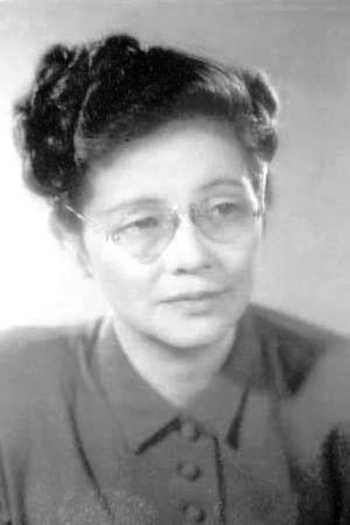
Fumiko Okamura
1898 - 1976
麗人
Yasujirō Shimazu
Sumiko Kurishima, Yukichi Iwata
Немой фильм «Прекрасная» (иной вариант перевода — «Красавица») является примером жанра кэйко-эйга (так называемых «тенденциозных фильмов») левого толка и продвигает социальную критику через несправедливые переживания женщины.
Reijin

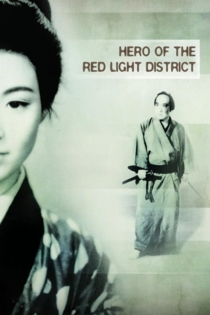
Hero of the Red Light District
Tomu Uchida
Chiezō Kataoka, Yoshie Mizutani
A successful textile industrialist from the provinces, who is beloved by his employees for his kindness, cannot find a wife because of a disfiguring birthmark on his face. Even the courtesans in Yoshiwara refuse to entertain him, until an indentured peasant prostitute, Tamarazu, takes the unsavoury assignment and treats him with brash tenderness.
Hero of the Red Light District
Girls of Dark
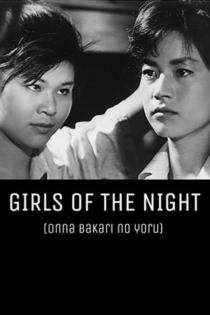
Kinuyo Tanaka
Chisako Hara, Akemi Kita
In the late 1950's prostitution was banned in Japan and if a woman was found exercising this profession they were sent to a reformatory. This is a story of one of these brave women Kuniko who is released from the reformatory and tries to build a new life.
Girls of the Night
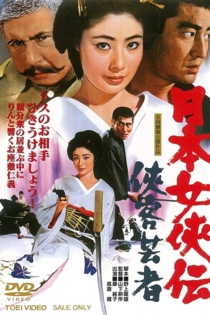
日本女侠伝 侠客芸者
Kōsaku Yamashita
Sumiko Fuji, Ken Takakura
Popular geisha Shinji (Fuji Junko) must defy a gang who plot to steal a lucrative coal business from struggling miners during the turbulent Meiji Era. With a stellar all-star cast, thrilling story and Takakura Ken's violent swordplay, makes this into a classic Yakuza movie!
Samurai Geisha
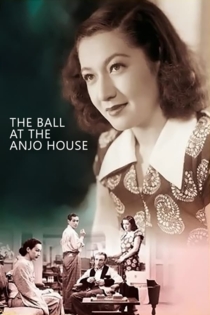
安城家の舞踏会
Kōzaburō Yoshimura
Setsuko Hara, Yumeko Aizome
After Japan's loss in the war, the wealthy, cultured, liberal Anjo family have to give up their mansion and their way of life. They hold one last ball at the house before leaving. The seemingly cold, cynical son secretly grieves for his defeated father and the values that the war destroyed, while the daughter tries to prevent father from taking his life and to find her own place in the new Japan.
The Ball at the Anjo House
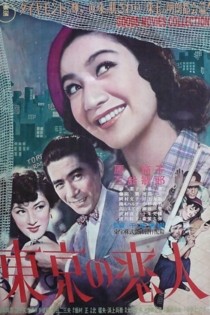
東京の恋人
Yasuki Chiba
Setsuko Hara, Toshirō Mifune
Following the Second World War, the lives of various people in a poverty-stricken area of Tokyo are entertwined. Pachinko parlor girls, shoeshine boys, a maker of costume jewelry, and a streetcorner artist all struggle to make their livings and to find happiness in difficult surroundings.
Tokyo Sweetheart
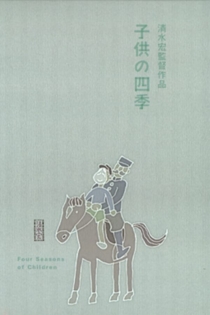
子供の四季
Hiroshi Shimizu
Teruo Furuya, Masao Hayama
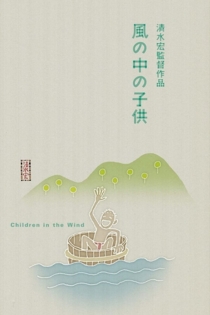
A follow-up to Children in the Wind, Four Seasons of Children(a.k.a. Kodomo no Shiki) is also based on a Tsubota Joji novel. The film is divided into two chapters, following the young protagonists' minor adventures and real-world awakenings over spring and summer, then autumn and winter.
Four Seasons of Children