Zvonimir Berković
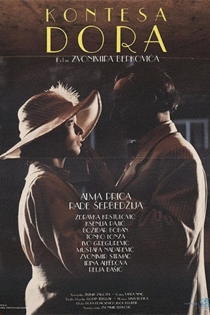
1928 - 2009He studied violin under Stjepan Šulek and theatrical direction at Theatre Academy in Zagreb. He worked in puppet theater and wrote theatrical and musical criticism. He began working on films in 1954. As the first dramatist in Jadran Film he soon begins to write scripts. For the scenario of the film "H-8" (1958, d. Nikola Tanhofer), co-written with Tomislav Butorac, he won The Golden Arena and the audience award at the Pula film festival. His directorial debut was "Moj stan" ("My Home", 1962), which won awards in Belgrade and Cannes. In 1966 "Rondo" was his full-length debut. The film won six awards in Pula and a prize for the script in Atlanta. The second film, "Putovanje na mjesto nesreće" ("The Scene of the Crash") was made at the beginning of the seventies. "Ljubavna pisma s predumišljajem" ("Premediated Love Letters", 1985), his third film, is one of the most important Croatian films of the eighties, and "Kontesa Dora" ("Countess Dora", 1993) is considered to be one of the finest works of Croatian cinematography of the nineties. For many years Berković was a professor of film script writing and dramaturgy at ADU (Academy of Dramatic Arts) in Zagreb. In his final decade he intensely commented on the social reality, and was a regular columnist in several magazines. Throughout the nineties he garnered attention with humorous, ironically intoned political-cultural column "Zvonar katedrale duha" ("The Bellman of the Cathedral of the Spirit") in the weekly magazine "Globus" ("The Globe").
He died in 2009 in Zagreb.
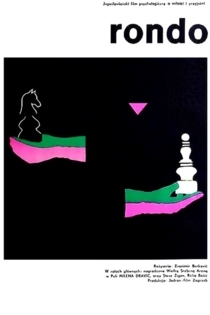
Rondo
Zvonimir Berković
Stevo Žigon, Milena Dravić
Every Sunday, lonely bachelor and refined judge Mladen goes to play chess with his friend, sculptor Fedji. Slowly, he engages in a love affair with Neda, Fedia's wife, and almost invisibly, a love triangle forms. Chess board is the central part of the film, as moves on the board reflect emotions of the characters.
Rondo
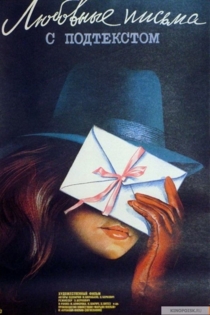
Ljubavna pisma s predumišljajem
Zvonimir Berković
Irina Alfyorova, Krunoslav Šarić
Musicologist and professor Kosor wakes up in a hospital. He has survived a serious car accident. In a bed next to his lies the amiable economist Gajski, whose wife Melita regularly visits him. This unusually beautiful woman is the first person that Kosor sees after he gains consciousness and is completely enchanted by her. Kosor becomes obsessed by Melita’s physical beauty and her trustworthy character and begins a risky game of writing and sending her anonymous love letters…
Premeditated Love Letters
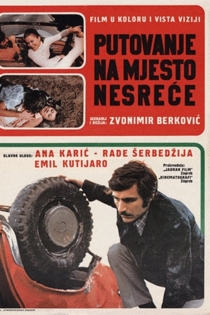
The Scene of the Crash
Zvonimir Berković
Ana Karić, Rade Šerbedžija
A young married woman Jelena finds about her husband's car accident from an unknown stranger named Vlatko, but also that he wants to be visited by his mistress rather than her. The encounter with her father, an ex-politician, will be another shock, but that's when she accepts Vlatko's courtship without being able to see his self-interested nature.
The Scene of the Crash
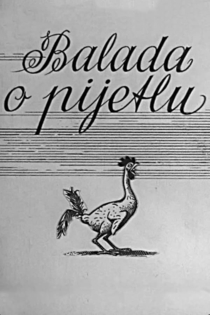
Balada o pijetlu
Zvonimir Berković
An imaginative advertising film about Podravka and its soup concentrates, told through the perspective of a rooster. The first part of the film is dedicated to the rooster's life and Podravian motifs, and the second one to the Podravka factory.
Ballad of a Rooster
Dubrovačke ljetne igre
Zvonimir Berković
Zvonimir Berković decided to present the Dubrovnik Summer Festival on film in an imaginative manner. He set scenes from the most popular plays of the Festival across various locations in Dubrovnik, so Pero Kvrgić acts Negromant's monologue from "Dundo Maroje" while interacting with vendors on the local marketplace, and in the dreamy atmosphere of Lokrum forest fairies are performing a scene from Držić's "Grižula".
Dubrovnik Summer Festival
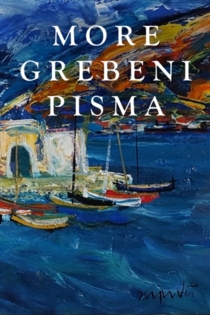
More, grebeni, pisma
Zvonimir Berković
Ivo Vojvodić
The intellectual and the sensual are combined in this essay presentation of the work of the painter Ivo Vojvodić from Dubrovnik. Through the presentation of three frequent motifs of Vojvodić's painting - the sea, reefs and letters - Berković touches upon the emigratory fate of Vojvodić's family in desire for a home and the Ragusan ideal of freedom.
The Sea, Reefs, Letters