Henrikas Šablevičius
2021Laika tilti
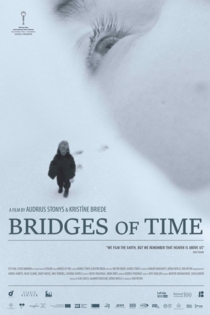
Kristine Briede, Audrius Stonys
Herz Frank, Uldis Brauns
At the beginning of the 1960s, when the French pioneers of cinéma vérité set out to achieve a new realism, and when direct cinema in Québec began to vie for notice, the Baltics wit-nessed the birth of a generation of documentarists who favored a more romantic view of the world around them. This meditative documentary essay – from a Latvian writer and Lithuanian director whose composed touch has long dovetailed with the stylistically diverse works of the Baltic New Wave – pushes adroitly past the limits of the common his-toriographic investigation to create a portrait of less-clearly remembered filmmakers. The result is a consummate poetic treatment of the ontology of documentary creation. Also a cinematic poem about cinema poets.
Bridges of Time
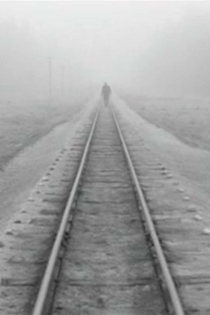
Kelionė ūkų lankomis
Henrikas Šablevičius
This film details the dismantling of the old railway Siaurukas in Lithuania and the construction of its new modern replacement. The old railway and the new railway become the symbol of the clash between the archaic rural Lithuania and Soviet industrialization. The film was often considered as an expression of the archetypes of Lithuanian character.
A Trip Across Misty Meadows
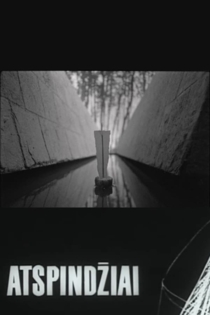

Liuob šokt, liuob dainiuot...
Henrikas Šablevičius
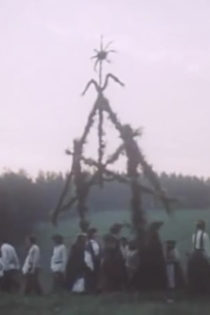
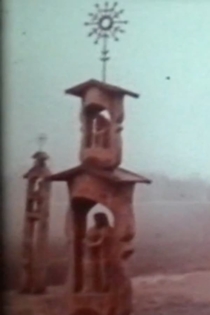
The director shows us an unofficial Lithuania, an indestructible village, old traditions and impressive faces. In the films of Shablevičius, the village, the land, the lonely tree standing outside are often filmed in winter, when everything gets the shade of a fairy tale and a miracle, and a rider on the road brings an unexpected message. The old mythical rural worldview seems to come alive in the eyes of the audience.
Leaps to Dance, Loves to Sing
Pabuvam savam lauki
Henrikas Šablevičius
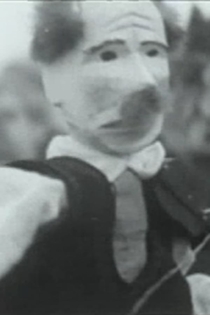
Glastnost and Lithuania’s eventual independence from the USSR open up the possibility of examining previously banned subjects: death, postwar resistance and – as in We Were at Our Own Field – the damage done by the Soviet occupation and the simple longing for home.
We Were at Our Own Field
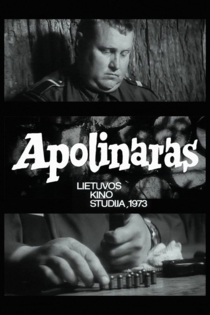
Apolinaras
Henrikas Šablevičius
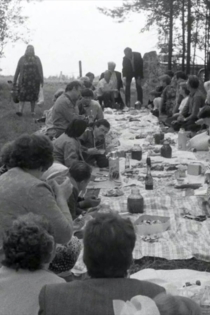
When Henrikas Šablevičius started filming Lithuanian “oddballs” – a professor, a fortune teller, racers, and many others who fell short of the concept of the “model citizen” – he invented a bizarre new genre of documentary biopic. Characteristic of these portraits is a sense of mocking irony directed not at their subjects (on the contrary, the filmmaker’s affection for them is palpable) but at the “Soviet hero” genre. The subject of this film is Apolinaras, a kindhearted policeman who even outwardly looks very unlike the ideological “guardian of morals.”.
Apolinaras