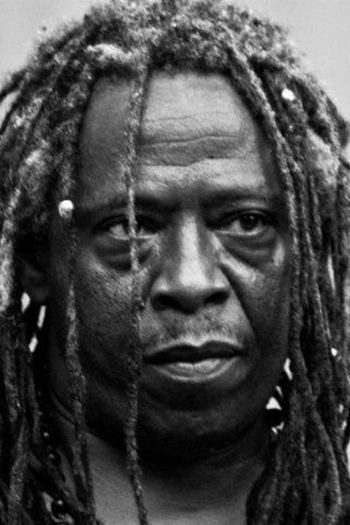
Mauricio Tizumba
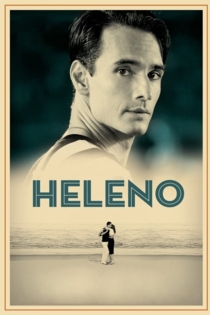
2021Heleno
José Henrique Fonseca
Rodrigo Santoro, Alinne Moraes
José Henrique Fonseca crafts an ambitious and long overdue homage to a central icon in Brazil’s 20th century history. Reminiscent of film noir classics, the biopic tells the glorious and tragic story of the legendary football striker Heleno de Freitas. The sumptuous black and white cinematography reflects the chic life of Rio de Janeiro in the 1940s as it fell under the spell of sports royalty. Heleno was no doubt one of the most popular players of his time for his bravura in the field and magnificent goal-scoring that lead the Botafogo team to the top and himself into a vicious downward spiral.
Heleno
Samba Canção
Rafael Conde
Nivaldo Pedrosa, Teuda Bara
Zé Rocha is a director trying to shoot his first film. He dreams of making a professional movie, and starts shooting in 35mm. But as his budget begins to fade, he changes to Black-and-White, then gradually down to 16mm, Super-8 and, in the end, to his despair, to the video format. With the help of Edna Marla, producer who is searching for the Holy Grail of a genuinely 100% Brazilian celluloid; Dona Martírio, his mother, former left-wing activist; Guará Rodrigues, an underground Brazilian movie star; and Lila Lessa, who stars in a 6 p.m. soap opera, they develop strategies and outlandish plans to win the insane battle of filmmaking in Brazil.
Samba Song

Pequenas Histórias
Helvécio Ratton
Marieta Severo, Patricia Pillar
On the porch of a farm, a woman tells stories while cutting and sewing scraps of cloth, creating images that form a towel. There are four stories of humor and magic. The fisherman's wedding with Iara, a mermaid from the rivers. The altar boy of a church that sees the procession of souls. The encounter between a Santa Claus in a store and a street boy and the adventures of Zé Burraldo, a naive guy who always lets himself be carried away by others.
Pequenas Histórias

O Filme Mais Violento Do Mundo
Gilberto Scarpa
Antônio Abujamra, Mauricio Tizumba
Raimundo, film producer, asks financial aid to his friend and producer J.C. to evaluate his own project. J.C. conditions his support to a change in Raimundo's style. Raimundo will have to make a movie aimed to the general audience and following the old producer's book: violence, sex, non-actors and slum. Raimundo does what he says, but an unexpected fact threatens the film's conclusion.
The World's Most Violent Movie