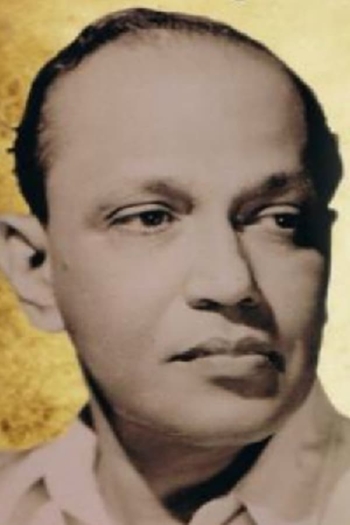
Debaki Bose
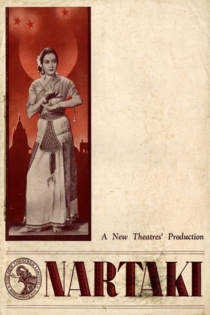
1898 - 1971Nartaki
Debaki Bose
Leela Desai, Najmul Hussain
Roop Kumari (Leela Desai) a famous court dancer is forbidden entry into a temple monastery run by a strict disciplinarian Priest. The cast listed here is for the Hindi version, there is also a Bengali version with a different cast, but same director and release year.
Nartaki
Seeta
Debaki Bose
Mukhtar Begum, Indubala
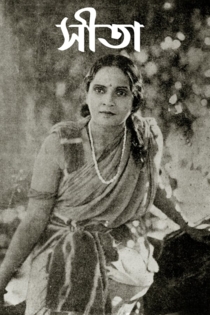
Seeta was a 1933 Indian talkie Bengali film, directed by Debaki Bose and produced by the East India Film Company.[1] It won an honorary diploma in the 2nd Venice International Film Festival in 1934, becoming the first Indian talkie to be shown at an international film festival.
Seeta
Chandidas
Debaki Bose
Durgadas Bannerjee, Krishna Chandra Dey
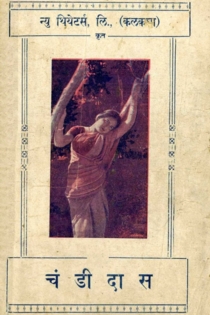
This film is about Chandidas, a legendary 15th-C. Bengali Vaishnavite poet whose biography remains obscure but was an influence on the better documented Chaitanya (1486-1533), a school teacher who promoted the Vaishnavite ideology in Bengal, mostly through hymns about the Radha-Krishna legend.
Chandidas
Vidyapati
Debaki Bose
Pahari Sanyal, Kanan Devi
Classic celebration of Mithila's King Shiva Singha's (Bannerjee/Kapoor) love for his wife while chronicling the influence of the pacifist court poet Bidyapati (Sanyal). Invited to the royal court by the king, Bidyapati arrives with his faithful follower Anuradha (Kanan Devi). Queen Laxmi (Chhaya Devi) falls in love with the poet, much to the distress of the king. The king falls ill and starts neglecting his royal duties until Anuradha persuades him that true love does not need reciprocation. The queen, equally distressed by her divided loyalties, contemplates suicide, encouraged by the prime minister who is worried by the nefarious impact of Bidyapati's poetry on the king.
Vidyapati

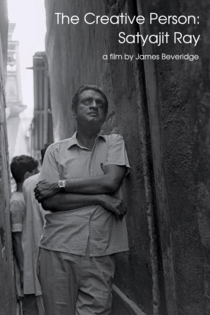
The Creative Person: Satyajit Ray
James Beveridge
Satyajit Ray, Alokananda Roy
In 1967, Canadian documentarian James Beveridge traveled to Kolkata to film director Satyajit Ray at work. The resulting program, produced for the American public television series “The Creative Person,” features interviews with Ray, several of his actors and crew members, and film critic Chidananda Das Gupta.
The Creative Person: Satyajit Ray