Kimiko Ikegami
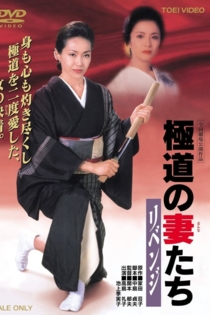
1959 (67 лет)She made her television debut in 1975 in the NHK show Maboroshi no Pen Friend, and in that year also appeared in Ai to Makoto on TV Tokyo. Her entry into film came in 1975, when she appeared in Hadashi no Seishun (Shochiku). In Taiga drama series, Kimiko portrayed Ōhime Kusa Moeru (1979) Chacha (later named Yodo-Dono) in the 1981 Onna Taikō-ki, Lady Tsukiyama (the wife of the title character) in Tokugawa Ieyasu (1983), and Eri (Lady Aburakawa, concubine of the title character) in Takeda Shingen. Other jidaigeki roles have included Sumi in the 1988 NHK Miyamoto Musashi Okon in Tōyama no Kin-san (1989), and Nami in the 2003 TV Tokyo Chūshingura: Ketsudan no Toki. Contemporary roles include the yakuza in Gokudō no Onna-tachi Revenge (the thirteenth in the series) and the female lead in Shiroi Kyotō (TV Asahi, 1990). She appears frequently as a guest star on television series such as Mito Kōmon.
Kimiko also recorded a song, Nagasarete, on the Victor Entertainment label. The 1984 release (as of 2006, out of print) was the theme song for the show Kiryūin Hanako no Shōgai.
Her honors include the 1990 Japan Jewellery Association Best Dresser Award.
Description above from the Wikipedia article Kimiko Ikegami, licensed under CC-BY-SA, full list of contributors on Wikipedia
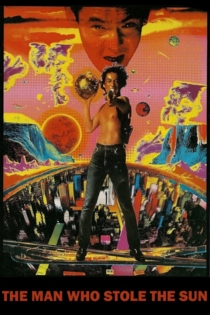
The Man Who Stole the Sun
Kazuhiko Hasegawa
Kenji Sawada, Bunta Sugawara
A high school science teacher is the butt of all his students' jokes, until their bus is hijacked on a school trip. But something more sinister lurks beneath the surface: he's building an atomic bomb in his apartment.
The Man Who Stole the Sun
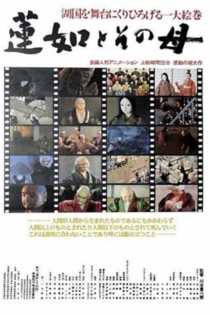
Rennyo to sono haha
Kihachiro Kawamoto
Masaaki Daimon, Kimiko Ikegami
Rennyo was the key figure responsible for the restoration of Shin Buddhism in Japan, in particular the Honganji lineage that had a slump in its fortunes during the Middle Ages. According to the legend, his motivation was a pivotal childhood incident at the age of six when his mother summoned him and told him about his destiny to revive the fortunes of the Honganji school to which he was the next in line. She then mysteriously disappeared from the temple. Taking her words to heart, from a background of great poverty and hardship, at the age of 16 he set out to spread the word across the land.
Rennyo and His Mother
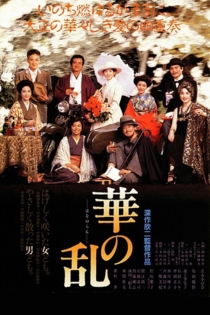
華の乱
Kinji Fukasaku
Ken Ogata, Sayuri Yoshinaga
Set in the Taisho era, which might be regarded as Japan's Hippie Phase, Hana no ran is a story about fashionable people without impulse control. Much of the action centers on a popular woman writer, the real-life poet Akiko Yosano, and her experiences among the literati of early 20th century Japan. Because of her independent, anti-war and often erotic poetry, she was a lightning rod for revolutionaries and other extremists, many of whom were destined to glamorous, yet ultimately pointless, deaths. The closest parallels might be the Byron/Shelley group or the people drawn to the Beat Generation.
A Chaos of Flowers
House
Nobuhiko Ōbayashi
Kimiko Ikegami, Miki Jinbo
Hoping to find a sense of connection to her late mother, Gorgeous takes a trip to the countryside to visit her aunt at their ancestral house. She invites her six friends, Prof, Melody, Mac, Fantasy, Kung Fu, and Sweet, to join her. The girls soon discover that there is more to the old house than meets the eye.
House

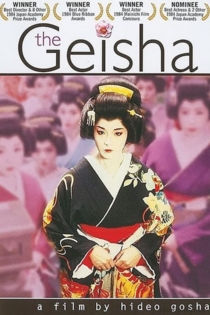
陽暉楼
Hideo Gosha
Ken Ogata, Kimiko Ikegami
Yokiro was the most successful Geisha house in Western Japan during the first half of the 20th century and remains open to this day. At its peak, it was home to over 200 geisha, however behind the fabulous facade, there were many battles - between family members, men and women, and with the Yakuza. Momokawa was sold to Yokiro at age 12, and despite being the top geisha, her many complicated relationships provide unending challenges throughout her glamorous but turbulent life.
The Geisha
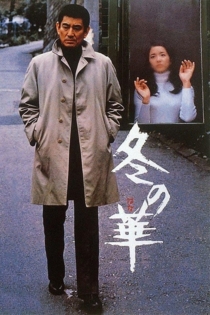
冬の華
Yasuo Furuhata
Ken Takakura, Kinya Kitaoji
Kanno is a Yakuza. He had to kill Matsuoka who betrayed their boss. Kanno knew Matsuoka had a 3-year-old daughter named Youko. Before he gave himself to the police, he asked his trusted man to take care of her. While in prison, Kanno kept sending letters to Youko, disguising as an uncle in Brazil. 15 years later, Kanno is released. He is determined to live legitimately, however the Yakuza has not forgotten his wicked deed!
Winter's Flower
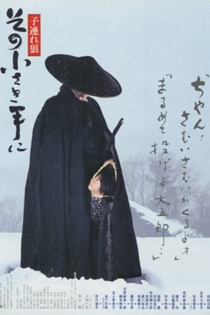
子連れ狼 その小さき手に
Akira Inoue
Masakazu Tamura, Tatsuya Nakadai
A noble samurai serving the Shogun as 'Kogi Kaishaku-nin' (Official Executioner) is the target of a plot by the evil Yagyu Clan to take away his position and replace him with a member of their own family. When his wife is murdered and evidence is produced that he was plotting against the Shogun the Code of Bushido calls for him and his son to commit sepuku. Instead he defies the Shogun's orders and takes up arms against his enemies, becoming an assassin for hire.
Lone Wolf and Cub: The Final Conflict
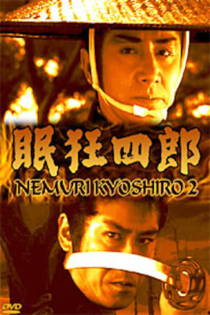
眠狂四郎II 江戸城に渦巻く陰謀!母よ、妻よ、女たちよ、円月殺法、御照覧あれ!!
Akira Inoue
Katsuhiko Watabiki, Masahiko Tsugawa
Sakai Nobunari an Elder in 'Honmaru' (or the main enclosure) and Mizuno Tadakuni an Elder in 'Nishinomaru' (or the south-east enclosure) have been at odds behind the scenes over the marriage of Tokugawa Ieyoshi, heir to the Shogunate. Kyoshiro, who has come back in Edo after 3 years is involved in it against his will. It's because he gets to know Lady Mihoyo who is a spy for Sakai and looks exactly like his late mother. As she couldn't complete her mission she has nowhere to go. Kyoshiro shelters her from both parties that seek her life. The original story is from "Nemuri Kyoshiro Burai Hikae" written by Shibata Renzaburo. Not only is one of Japan's greatest legends kept alive, but some secrets of Kyoshiro's past are finally revealed for the first time.
Nemuri Kyôshirô 2: Conspiracy in Edo Castle
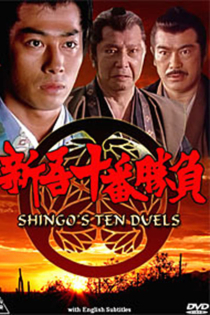
Shingo juuban shoubu
Hitoshi Oozu
Yuko Asano, Shin'ichi Chiba
The classic tale of the shogun's illegitimate son Aoi Shingo is told in three parts as he strives to become the greatest fencer in Japan, while his father Shogun Tokugawa Yoshimune seeks to reunite with his lost son. When the secrets of Shingo's birth are revealed to him, it sets off a series of events that bring him to cross swords with members of the shogun's inner circle in a series of duels that could change the destiny of Japan.
Shingo's Ten Duels
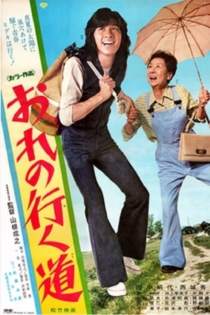

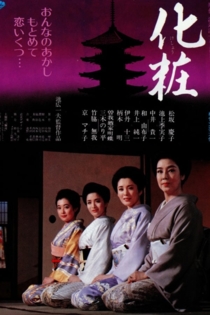
化粧
Kazuo Ikehiro
Keiko Matsuzaka, Kimiko Ikegami
Этот фильм о жизни сестёр Ёрико, Сатоко и Макико. Одна из сестёр Сидзуко кончает жизнь самоубийством из-за мужчины. Как-то раз Ёрико встречает бывшего любовника сестры Кумакура на могиле покойной сестры и решает, во чтобы-то ни стало, отомстить ему. Другая сестра Сатоко втайне от своего молодого человека встречается с другим и беременеет от него. Младшая сестра Макико учиться в университете, но попадает в полицию за употребление марихуаны. Ёрико становится хозяйкой одного бара. Как-то раз в нём появляется Кумакура и через какое-то время просит её провести время с его деловым партнёром, чтобы помочь продать ему залежалый товар. Ёрико всё передаёт партнёру и Кумакукра, чьи дела и так идут очень плохо, становится полным банкротом и кончает жизнь самоубийством. Ёрико проявляет интерес к молодому дизайнеру и когда она узнает о самоубийстве Кумакура, они сближаются. Но через несколько дней выясняется, что Кумакура это его отец.
Make-Up
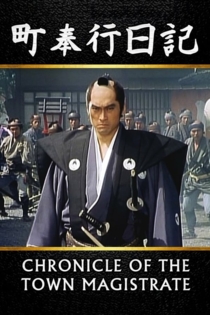
町奉行日記
Eiichi Kudo
Ken Watanabe, Kimiko Ikegami
In a maelstrom of evil, can a new magistrate, samurai Mochizuki Koheita, with a reputation like an alley cat, bring order to the town of Horisoto, or is he, too a corrupt villain looking to gain wealth from the oppressed people? From the pen of famed samurai author Yamamoto Shugoro, this exciting tale turns the tables on the standard samurai story with a unique lead character previously portrayed in Ichikawa Kon’s “Dora Heita.”
Chronicle of the Town Magistrate