Mária Markovičová
1908 - 1984Hószakadás
Ferenc Kósa
Imre M. Szabó, Mária Markovičová
In the summer of 1944 soldier Csorba is rewarded with furlough at a price of having committed a murder. He escapes. He tries to get to the heights of the Carpathians with Mother, to the cave of those who wish to die. That is where his mother and his father, the deserter, might be hiding.
Snowfall
Živý bič
Martin Ťapák
Viera Strnisková, Emília Vášáryová
A film about the dramatic lives ofthe people of the village of Ráztoka during WW I. Women are left without husbands, families fall apart, finding themselves on the verge of poverty. Eva, the main heroine, is going through difficulties after her husband was drafted to the army. Her defilement and her tragic death cause a rebellion by which the village inhabitants finally stand up against their unbearable situation.
Živý bič
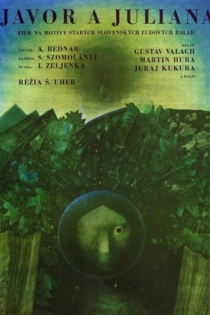
Javor a Juliana
Štefan Uher
Martin Huba, Juraj Kukura
A girl is transformed into a maple tree by her impulsive and angry mother. Three poor wandering musicians come by the tree and create instruments from it. Walking around the country instead of happiness they bring death everywhere with their cursed instruments. However they cannot get rid of them, unless they bury the wooden instruments at the place of the tree. The three are anything but harmonious, each taking in their disputes various stances.
Maple and Juliana
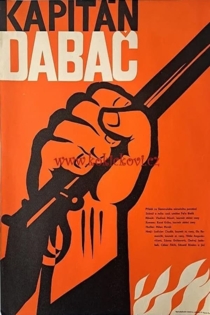
Kapitán Dabač
Paľo Bielik
Ladislav Chudík, Elo Romančík
Капитан Дабач служил в словацких частях гитлеровской армии, видел зверства и бессмысленную жестокость фашистов. Он всегда бездумно подчинялся приказам. Но однажды он не выполнил приказа и отказался расстреливать беззащитное население маленькой украинской деревни. Его судили, приговорили к расстрелу. Дабачу удалось бежать, и он примкнул к партизанам. В дни национального восстания против оккупантов Дабач был одним из его активных участников.
Kapitán Dabač

Drevená dedina
Andrej Lettrich
Samuel Adamčík, Andrej Bagar
Slovak movie is based on the novel by the prominent representative of Slovak prose František Hečka, who was in 1952 awarded the State Prize. The novel and the movie successfully capture the development of Slovak village after the liberation in 1945. The narrative is centred around the characters of the old Púplava, who after the liberation begins to organise a new village life, and his struggle for the construction of settlements Mrzáčky, burnt by the fascists. It is centred around the conflict, greatly reflecting the situation of the countryside at this time: the conflict between the rural poor and the rural rich. In the movie, a rich personal and emotional life of other heroes pulsate besides the main storyline. The movie ends with the final defeat of the reactionary forces by Communists in February 1948, taking over all power in the state of workers and peasants. - "The Wooden Village" is released in celebration of the 7th anniversary of the Communist February Victory.
The Wooden Village
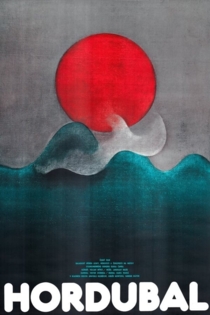
Hordubal
Jaroslav Balík
Anatoliy Kuznetsov, Libuše Geprtová
After five years of hard work in America Juraj Hordubal (Anatoliy Kuznetsov) returns back home. He is looking forward to his wife Polana (Libuse Geprtová) and his little daughter Hafie. The family and the village welcome him with hesitation. Everybody believed that Juraj died in America because Polana stopped receiving money from him already two years ago. Polana's farm was prospering first of all thanks to the young stable boy Stepán (Sándor Oszter). Men in the pub first indicate and then say to Juraj directly that Polana has been unfaithful to him with Stepán.
Hordubal